Accommodation and Things to Do in Ladysmith, KwaZulu-Natal
Ladysmith sits in the heart of KwaZulu-Natal, a convenient base for visitors seeking history, nature and regional South African charm. The town offers a range of stay options, from self-catering retreats to intimate guesthouses and larger lodges, all set against a backdrop of rolling foothills and open plains. Whether you are travelling solo, as a couple, or with family, Ladysmith provides a relaxed atmosphere and straightforward access to the surrounding countryside and towns.
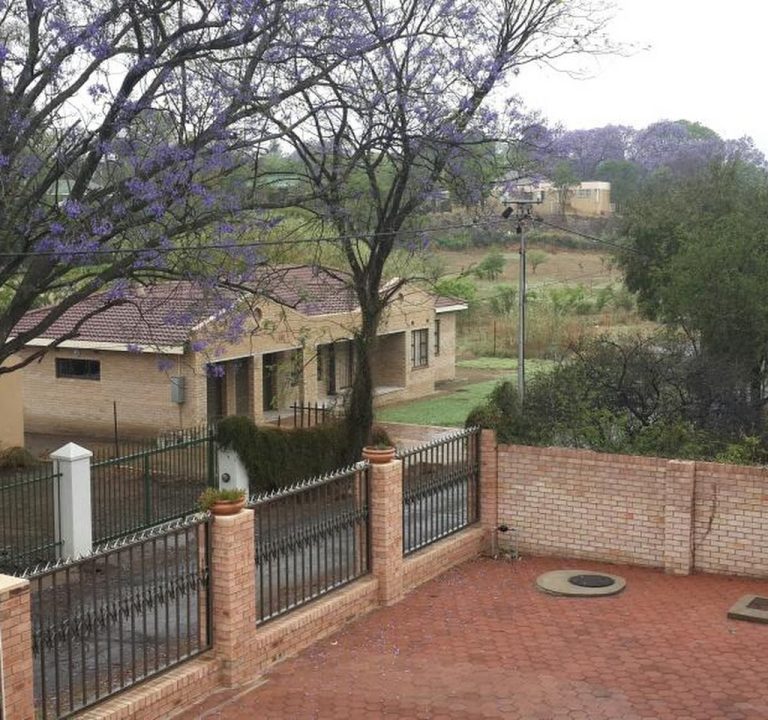
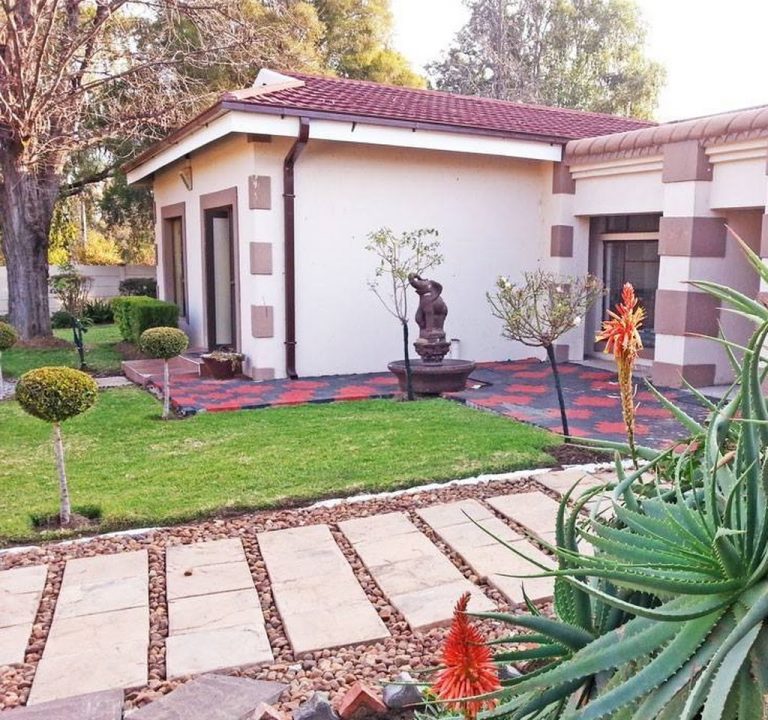
For travellers seeking self-catering convenience, units such as ZigZag 247 provide a practical option in which you can manage meals and schedule at your own pace. Self-catering stays are particularly useful if you want to linger longer in town, explore nearby markets, or prepare picnic lunches for day trips to the countryside. Look for well-equipped kitchens or kitchenette facilities, an obvious workspace, and clear information on how to access laundry services if needed. A good self-catering option should also offer comfortable living spaces, adequate heating for cooler evenings, and reliable, password-protected wifi to help you plan day trips or research local dining options.
Accommodation in Ladysmith generally falls into several broad categories. Guesthouses and B&Bs offer a friendly, homely atmosphere with breakfast inclusions or easy access to local eateries. Hotels and lodges may provide more formal reception areas, on-site dining, and larger rooms, which can be helpful for families or groups. When choosing where to stay, consider the following:
- Location within Ladysmith: a central position makes day trips easier, but a quieter, residential street can provide extra peace after a day exploring nearby sights.
- Parking and transport access: confirm on-site parking or safe street parking, and check how easy it is to access major roads if you plan to drive to surrounding attractions.
- Kitchens and amenities: for self-catering stays, assess kitchen equipment, dishware, and storage, plus laundry facilities if needed.
- Wi‑Fi and workspaces: essential if you need to stay connected or plan routes and reservations for day trips.
- Safety and accessibility: inquire about security measures, lighting, and access for guests with mobility considerations.
Planning a stay in Ladysmith also means thinking about practicalities. The town is served by regional roads that connect to the KwaZulu-Natal Midlands and to the Drakensberg region in the distance, so a car is usually the simplest way to get around. If you are using public transport, check the frequency of links to nearby towns and whether your accommodation offers a shuttle or information on local taxi services. The climate is generally moderate but can be chilly in winter; bring layers and a light rain jacket for late-afternoon showers in the warmer months. A compact umbrella or a small rain shell can be handy during spring and summer storms.
Best time to visit Ladysmith tends to align with your interests. Spring and autumn offer pleasant temperatures and quieter atmosphere for sightseeing. Summer brings longer days and the potential for sporadic showers, which can bring lush landscapes and vibrant flora. Winter is cooler and drier, which is excellent for outdoor activities but calls for warmer clothing in the evenings. If you are hoping to pair your stay with a specific event or market, check local tourism calendars to time your visit around community fairs, heritage days, or seasonal markets often hosted by locals and small businesses.
When it comes to planning activities, Ladysmith provides a gateway to a mix of experiences. History enthusiasts can explore battlefield sites and regional museums that convey insights into the area’s past, while outdoor lovers can enjoy scenic walks, gentle hikes in nearby hills, and river views. The surrounding area invites day trips to scenic countryside, with opportunities to stop at local eateries along the way and sample regionally typical dishes in a relaxed setting. For those who enjoy culture and crafts, look out for small galleries, markets, and studios where local craftspeople showcase work from the region.
Typical day-planning tips include starting with a hearty breakfast at your accommodation or a nearby café, then setting aside a half-day for a historical site or a nature walk. Midday meals can be enjoyed at self‑catering accommodation, or you can venture to a local restaurant or café to sample regionally inspired dishes. In the late afternoon, a stroll through a safe, well-lit area or a short drive to a lookout point can make for a pleasant ending to the day. Before departure, confirm check-out times, arrange any late check-outs if possible, and ensure you have access to local maps or an offline navigation option in case mobile coverage is uneven in rural pockets.
For planning resources, consider consulting regional tourism pages or local visitor guides for Ladysmith and KwaZulu-Natal. They can provide general information on attractions, walking routes, and dining options without tying you to fixed itineraries. If you prefer guided experiences, look for reputable operators offering gentle heritage tours, nature walks, or culture-focused itineraries that align with your travel pace and interests. Practical tips and clear booking terms can help ensure a smooth stay, from luggage storage options to late-arrival arrangements and fragrance-free policies for sensitive travellers.
In short, Ladysmith is well-suited for travellers who value a relaxed base with straightforward access to historical sites, scenic countryside, and local dining. Whether you choose self-catering comfort, a cosy guesthouse, or a hotel with a dash of convenience, planning around your pace, transport preferences, and seasonal conditions will help you make the most of your visit. To explore current accommodation options and local guidance, you can visit regional tourism portals or specific property pages for Ladysmith, and keep an eye on rotating markets and cultural events that enrich a stay in KwaZulu-Natal.