Port Edward: A practical guide to accommodation, attractions and staying smart
Port Edward, nestled on the KwaZulu-Natal coastline near the mouth of the Mzinto River, offers a relaxed gateway to coastal scenery, nature reserves and easy access to the more dramatic wild coast. When planning a stay, consider the different neighbourhoods and settings: a calm seaside base near the river and beach for easy walks, a lodge-style option closer to nature reserves, or a comfortable guesthouse in residential areas with a friendly, local feel. A balanced plan often combines a comfy base with day trips to highlights along the coast and inland viewpoints.
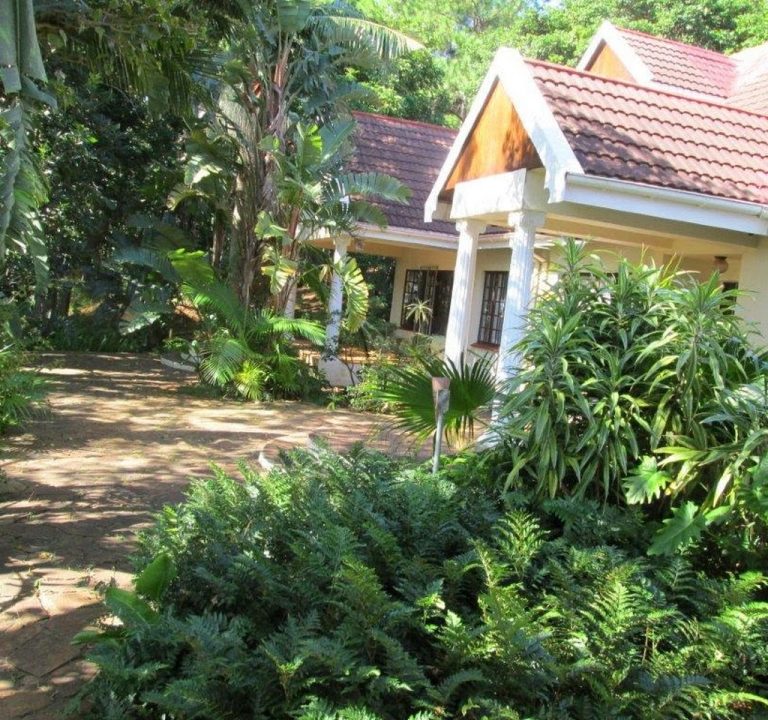
Accommodation options in Port Edward range from boutique guesthouses to hotels and self-catering lodges. One example is Zesty Guesthouse, a recognised option in the area that typically offers a mix of bedrooms and shared spaces, with a focus on guest comfort and easy access to the town and coast. When you book, look for clear information about room types, housekeeping frequency, and parking facilities. Proximity to beaches, river estuaries, and nature trails can make a big difference to your daily plans, especially if you favour morning strolls or sunset walks along the shore.
What to look for when booking and what to expect in typical Port Edward amenities:
- Room types and layout: double or twin rooms, en-suite facilities, and whether there are family-friendly options or workspaces for any remote tasks.
- Self-catering or dining options: some places provide breakfast or full-board packages, while others offer access to communal kitchens or nearby eateries.
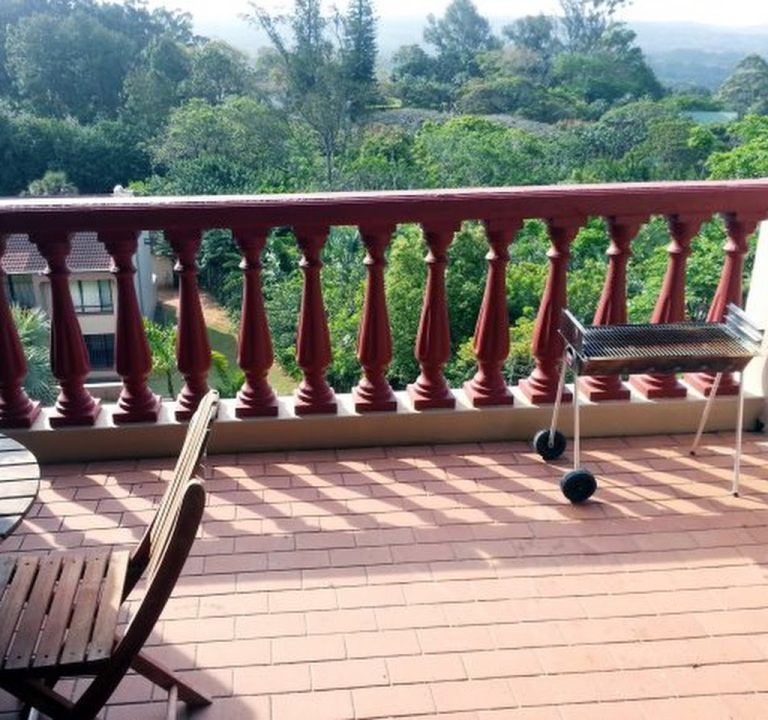
- Outdoor and leisure amenities: pools, braai/bbq areas, terraces with sea or river views, and secure parking.
- Accessibility and transport: ease of access from main roads, proximity to taxi or shuttle services, and whether self-drive is practical for day trips.
- Seasonal factors: the coastal climate means mild winters and warm summers, with peak demand in school holiday periods. Check cancellation policies during wetter or more humid months.
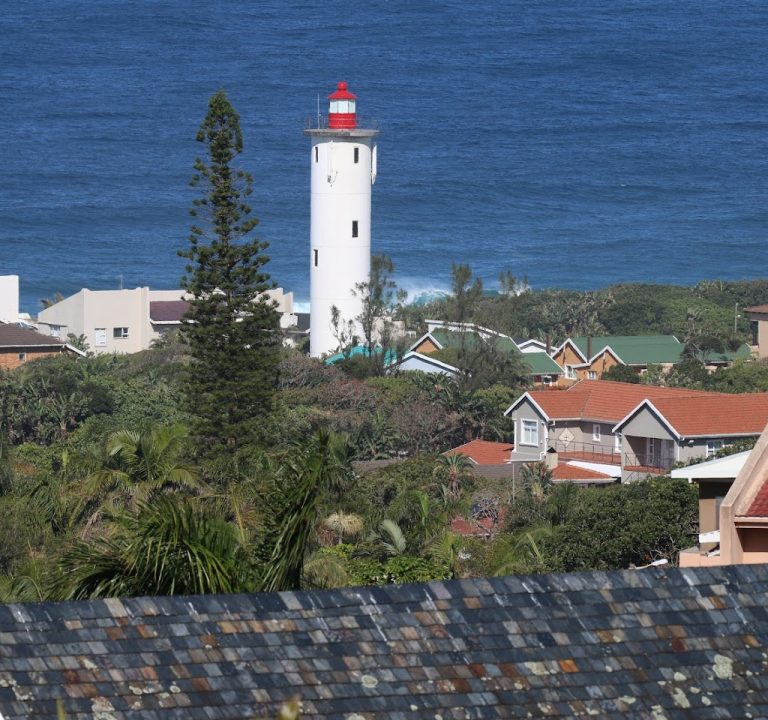
Port Edward’s location makes it convenient to use as a base for exploring the top natural drawcards of the region. The nearby coastal reserves and river estuaries offer scenic walks, birdwatching and opportunities to spot marine life from suitable viewpoints. For visitors who enjoy rugged coastline, short drives can reveal dramatic sea vistas, tranquil coves and inviting beaches for swimming or relaxing by the water. If you prefer green spaces, nearby nature reserves provide gentle trails and information on local flora and fauna, making the area appealing for walkers, photographers and families alike.
The dining scene in and around Port Edward tends to be relaxed and family-friendly. Expect venues that prioritise fresh, local ingredients and uncomplicated menus suited to daylight hours and sunset meals. Many guests enjoy trying local cafés and bistros that focus on hearty breakfasts and light lunches, paired with coastal views. When planning dinner options, consider whether you’ll stay in a property with an on-site dining room or head out to nearby towns for a broader choice of restaurants. It’s common to find flexible hours in smaller towns, so a late lunch or early dinner can work well with outdoor activities and sunset plans.
Practical planning tips to make the most of your stay:
- Transport: a car remains the most convenient way to explore Port Edward and its surroundings. If you plan day trips to other parts of KwaZulu-Natal, ensure your booking includes secure parking or easy access to a fuel stop and service stations along the route.
- Best time to visit: the coastal climate is pleasant most of the year, but summer months bring higher humidity and the possibility of afternoon showers. Winter is mild; it’s a quieter period with fewer crowds and more availability in accommodation.
- Safety and comfort: simple precautions such as locking doors, using well-lit paths at night, and requesting maps or local tips from hosts can enhance your stay. If you’re heading into natural areas, carry water, sun protection and basic first aid.
- Planning around activities: if your itinerary includes nature walks, check the tide times and weather forecasts. Day trips to nearby coastal towns or reserves can be long, so plan meals and rest breaks accordingly.
- Connectivity: ask about Wi‑Fi access in rooms or common areas if you need to stay connected. In some remote parts, connectivity may vary, so having a plan for updates and offline maps is helpful.
When you arrive, a friendly local host can be an invaluable resource for recommendations on attractions, the best beaches for swimming or safe riverside walks, and practical tips about travel times. If you’re staying at a guesthouse like Zesty Guesthouse, you can expect a personalised approach, with hosts who can point you toward seasonal activities, trailheads and casual dining spots that showcase the area’s relaxed hospitality. For more information and to explore booking options, visit the property’s website and other reputable accommodation listings to compare what suits your travel style and budget.