Where to Stay and What to Do in Cato Ridge, Kwa-Zulu Natal
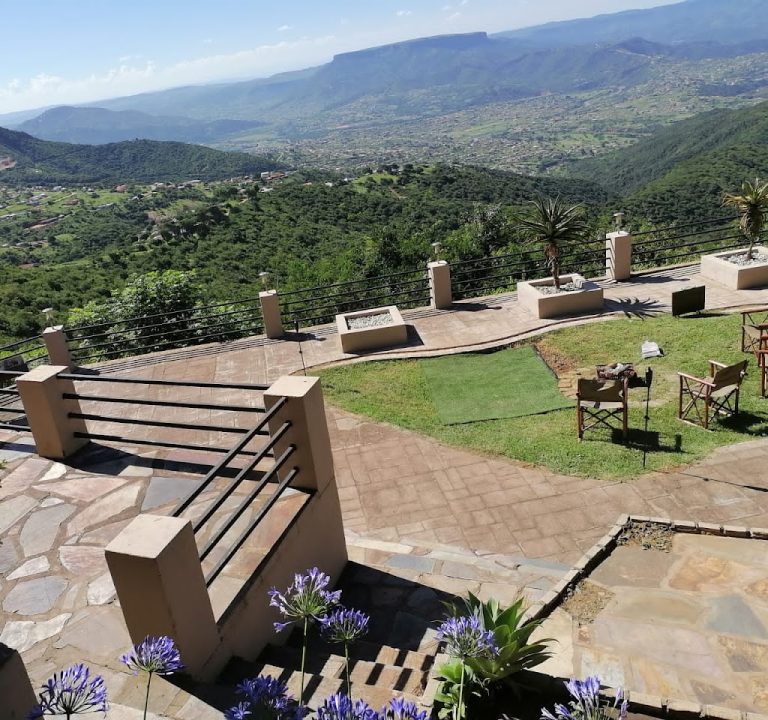
Cato Ridge sits aboard the corridor between Durban and Pietermaritzburg, offering a calm base from which to explore Kwa-Zulu Natal’s rolling countryside and nearby towns. When choosing accommodation, travellers typically prioritise pace of life, access to the N3 corridor, and the balance between peaceful rural views and convenient services. Options range from intimate B&Bs and guesthouses to self-catering cottages and small lodges, many set on working farms or within quiet residential zones. Whether you favour a cosy stay with personalised service or a more self-contained apartment for longer visits, Cato Ridge provides a spectrum that suits various itineraries.
Areas to consider when planning a stay include the hillside pockets closer to the main roads, where you’ll often find guesthouses with verandahs, breakfast rooms, and easy access to car hire or taxi services. Some travellers prefer the slightly more secluded pockets along the rural lanes for greater privacy and wildlife tranquillity, while others look for places offering a little more commercial activity—nearby shops, petrol stations and eateries—within a short drive. It’s worth noting how each option handles security, lighting, parking and prompt communication, as these small details can significantly affect your comfort after long travel days.
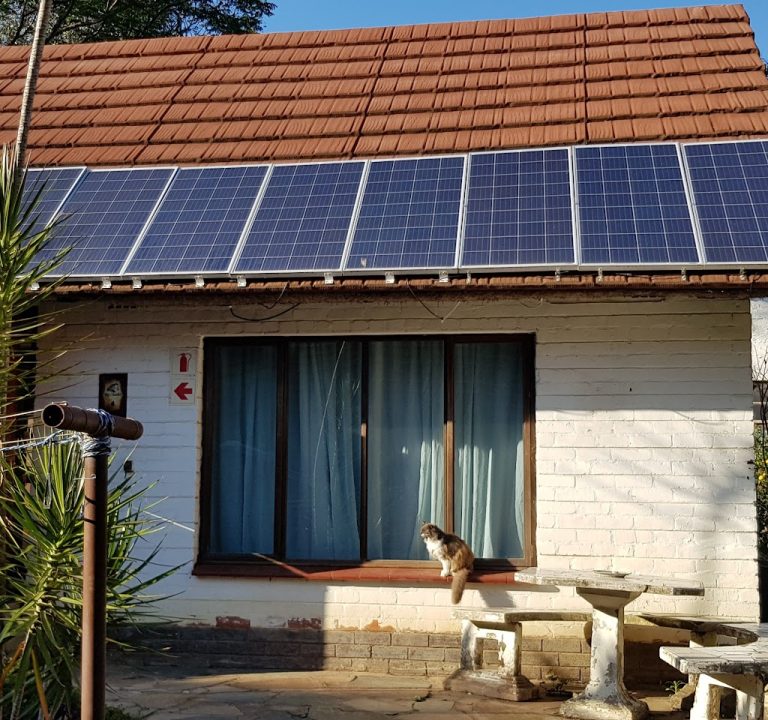
Typical amenities you’ll encounter include private gardens or courtyards, dependable Wi‑Fi, secure parking, and self-catering facilities or well‑presented breakfasts. Many guesthouses prioritise guest safety with well-lit access, clear check‑in instructions, and hosts who can tailor recommendations for day trips. If you’re staying for longer than a couple of nights, look for options offering laundry facilities, kitchenettes or fully equipped kitchens, and flexible checkout arrangements. Proximity to local attractions can be a real bonus; some hosts can coordinate guided walks or offer insider tips on less-touristy routes for a more authentic experience of the region.
Transport is a practical consideration. The N3 is the principal artery in this corridor, so a car is usually the most convenient way to move around and explore. Public transport is available in the wider region, but schedules can be irregular, and a car provides greater flexibility for day trips to nearby towns and countryside viewpoints. If you’re not driving, check with your accommodation about available transfers or local taxi services, and confirm pickup times for any planned excursions. For those who enjoy a scenic drive, a short hop to neighbouring towns opens up a wider array of dining options and activity choices without straying far from your base.
The best time to visit Cato Ridge, and the surrounding Kwa-Zulu Natal area, depends on your priorities. The region enjoys a subtropical climate with warm summers and mild winters. For outdoor activities such as hiking or birdwatching, the cooler, dry winter months tend to be more comfortable, though summer visits offer lush countryside and vibrant landscapes following rain. If you plan to combine a rural getaway with day trips to historic towns or nature reserves, consider shoulder seasons when attractions are less crowded and accommodation can offer more personalised attention. Pack a light waterproof layer for sudden showers, good walking shoes, and layers to adapt to changing temperatures between day and night.
When booking, look beyond the price tag and consider what’s included in your stay. A well-run guesthouse or lodge will provide clear directions for check‑in, reliable housekeeping, and a responsive host who can suggest safe, enjoyable ways to spend your time. Pay attention to cancellation policies—some smaller properties offer flexible terms that are helpful if travel plans shift. If you’re looking for a longer visit, some self‑catering options can be particularly good value, delivering privacy, cooking facilities and the chance to experience life in a rural Kwa‑Zulu Natal setting without sacrificing comfort.
Attractions and experiences in the wider area tend to balance nature, culture and local flavour. Rural drives and nature walks reveal the region’s farms and scenic viewpoints; local eateries, cafes and markets offer opportunities to sample seasonal produce and regional flavours in a relaxed atmosphere. Visitors commonly plan day trips to nearby towns for shopping, crafts or museums, or join guided nature walks organised through accommodation hosts or local tourism networks. Even without fixed itineraries, the sense of space, the quiet mornings and evenings, and the beauty of the South African countryside make Cato Ridge a welcome stopover or a relaxed base for a longer stay.
Practical planning tips for a smooth visit:
- Book in advance for peak seasons and weekends, especially if you require specific amenities or a particular area.
- Clarify check‑in times, parking arrangements and whether breakfast or other meals are included.
- Ask hosts for a personalised local plan—many will tailor recommendations for walks, viewpoints, markets and landscape routes nearby.
- Check transport options and confirm whether a car is essential for your itinerary.
- Pack adaptors, sun protection, and a light rain jacket for variable weather.
- Respect the rural settings by minimising noise late at night and following any property guidelines.
Whether you are seeking a tranquil rural retreat, a convenient stopover on a longer road trip, or a gateway to Kwa‑Zulu Natal’s natural beauty, Cato Ridge offers a comfortable base with friendly hosts and nearby countryside to explore. A well-chosen stay can enhance your visit, turning everyday travel into a relaxed and memorable experience of South Africa’s midlands and beyond.