Accommodation and Experiences in Graskop, Mpumalanga: Where to Stay and What to Do
Graskop sits on the edge of the Mpumalanga escarpment, a gateway to the Panorama Route and some of South Africa’s most dramatic scenery. When planning a stay, think about what you want from your visit: a relaxed base for day trips, a rural escape close to nature, or easy access to forests, waterfalls and viewpoints. Graskop offers a range of visitor-friendly options, from boutique guest houses to comfortable lodges and self-catering stays, all with a distinctly local flavour.
One reliable approach is to centre your choice around the terrain you wish to explore. The town itself offers convenient amenities, while surrounding areas provide forested hills and dramatic viewpoints. If you prefer a quieter ambience, look for properties set back from main streets in leafy corners, where you can wake to birdsong and better prospects for stargazing after sunset. If you’d rather be within easy reach of markets, eateries and walking trails, a property closer to the town centre can be more practical.
Typical amenities to look for when booking include reliable Wi‑Fi, secure parking, a hearty breakfast option, and friendly, knowledgeable hosts who can suggest local routes and eateries. Many guest houses and lodges in Graskop offer comfortable rooms with en-suite bathrooms, climate control for hot summers and cooler evenings, and communal spaces such as lounges or verandas where guests can mingle and plan their day. Some properties may provide on-site dining, bar areas, or outdoor seating from which to enjoy sunrise or sunset views of the surrounding hills.
Transport considerations are important in Graskop. The town is well linked by road to the major towns in Mpumalanga, and many visitors hire a car to maximise flexibility for day trips to natural attractions. If you prefer not to drive, inquire about organised tours or transfers offered by your accommodation. Having a car makes it easier to explore viewpoints, forest trails, and coffee shops scattered along the route, and reduces dependence on limited local public transport.
The best time to visit depends on what you want from your stay. The area experiences a warm to hot summer, with the possibility of afternoon showers, and cooler winter evenings. Summer can be lush and vibrant with rainfall that brings waterfalls fully to life along the Panorama Route. Winter is usually dry and clear, which can provide excellent visibility for long-distance viewpoints. Spring and autumn often offer mild weather and quieter tourist periods, which can be ideal for a more relaxed pace and easier access to popular lookouts without crowds.
When planning your itinerary, include a mix of natural attractions and gentle, family-friendly activities. The region is renowned for its proximity to ancient forests, sheer escarpment views, and cascading waterfalls. Group walks, forest trails, and lookout stops are typical ways visitors spend their days. For a broader sense of the area, consider a sunrise or sunset excursion to high vantage points, where the light can transform the landscape. After a day outdoors, you’ll find ample opportunities to unwind at a family-friendly restaurant or café offering comforting meals and locally sourced ingredients.
Practical planning tips to help you get the most from your stay:
- Book accommodation with a flexible cancellation policy where possible, particularly if travel plans might shift with weather or seasonal events.
- Ask hosts about the best nearby trails, viewpoints, and safe, well-lit walking routes suitable for your group and fitness level.
- Confirm the availability of secure parking and note whether a property is access-controlled or requires gates and keys, especially if you plan to drive at night.
- Check for on-site facilities such as a breakfast option, a communal kitchen, or a lounge area that can serve as a relaxing retreat after a day of exploring.
- Plan for varied weather by packing light layers, comfortable walking shoes, and a compact rain jacket for sudden showers in the region’s showers-friendly climate.
When it comes to dining and local experiences, you’ll find a range of casual eateries and eateries offering dishes influenced by regional farming and foraging traditions. Many guests enjoy trying a selection of small cafés and bakeries within Graskop, as well as venture-rights to nearby towns for broader dining experiences. For a balanced day, pair a morning forest walk with a nearby coffee stop or a late lunch at a rustic bistro. It’s easy to balance nature immersion with downtime, so you can pace your trip to match your energy and interests.
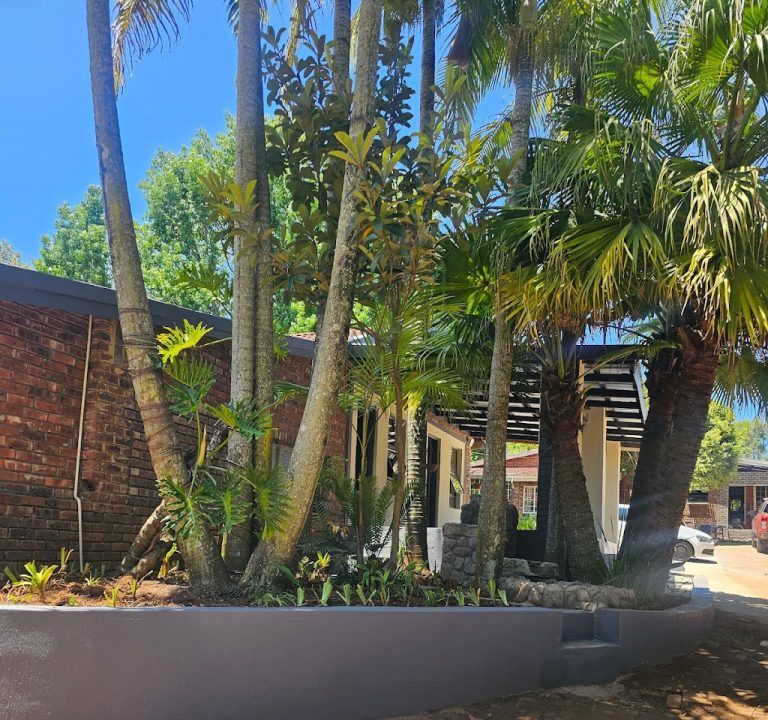
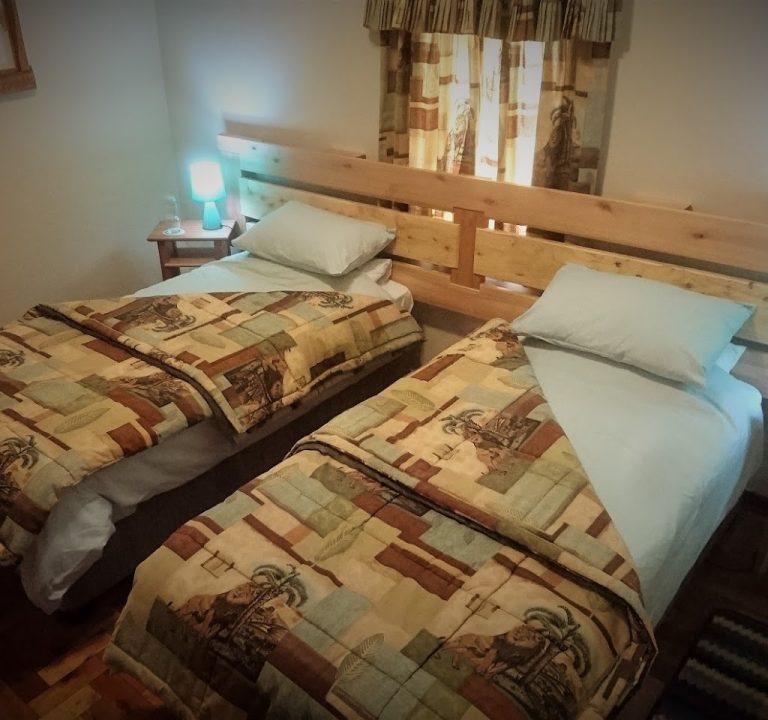
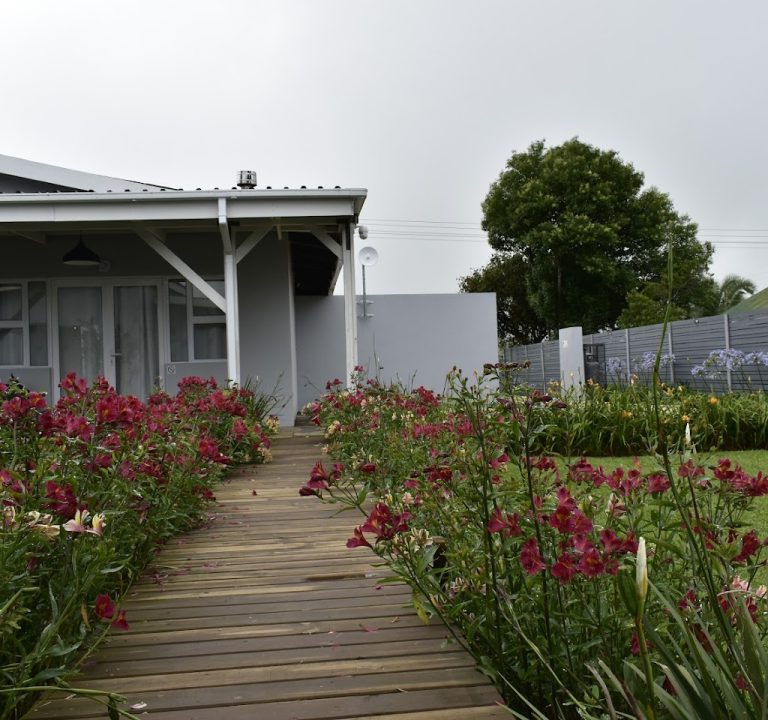
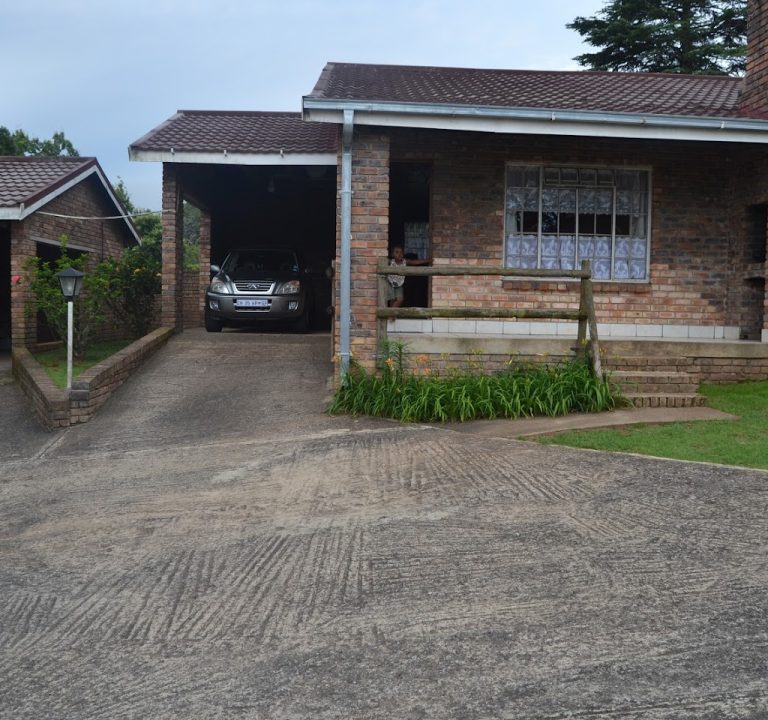
As for where to stay, consider Yello Guest House Graskop, a guest house option that provides a comfortable base for exploring the area. Its website offers more information on the accommodations and local suggestions, helping you plan a stay that fits your preferences: https://www.yelloguesthouse.co.za/
Graskop is a practical hub for accessing natural wonders while retaining a friendly, small-town atmosphere. With thoughtful planning around where you stay, how you travel, and what you aim to see each day, you can build a balanced itinerary that blends scenic viewpoints, forest trails, and relaxed meals, all within easy reach of Mpumalanga’s renowned landscapes.