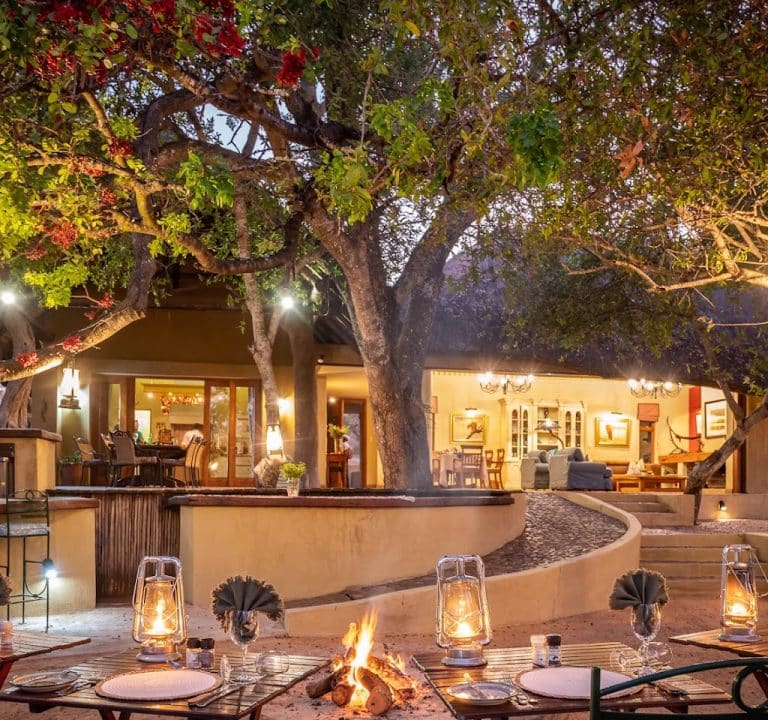
Wits Rural Facility is a Self-catering accommodation establishment in Hoedspruit, Limpopo, South Africa
Wits Rural Facility: A Rural Campus Base for Research, Learning and Community Engagement
Wits Rural Facility (WRF) functions as a dedicated base for rural-focused research, student training and community outreach in the Bushbuckridge region of Limpopo, South Africa. Established in 1989 with support from the Anglo-De Beers Chairman’s Fund, the facility forms a distinctive rural campus linked to the University of the Witwatersrand. Its purpose is to enable Wits to apply academic resources to development challenges rooted in South Africa’s rural landscapes, while fostering experiential learning and civic engagement.
Located in the far north‑east of the country, the WRF sits within the central lowveld of Limpopo Province, close to the Kruger National Park and near the border with Mpumalanga. The 350‑hectare bushveld estate offers a spacious, natural setting that complements research and fieldwork, with a landscape that supports ecological and conservation studies alongside practical training. The site is flanked by private game reserves and surrounding rural communities, reflecting the dynamic urban–rural interface that characterises much of South Africa’s development discourse.
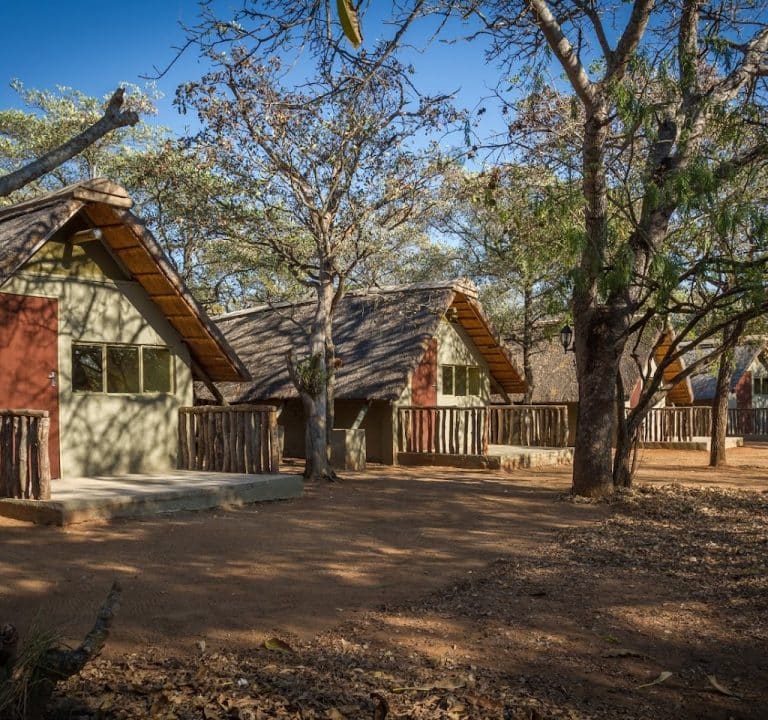
The facility’s infrastructure is purposefully broad to support a multi‑disciplinary programme. On site, visitors will typically find accommodation suitable for individuals and groups, as well as a range of seminar and conference facilities designed to host academic gatherings, stakeholder meetings and short courses. A restaurant and catering services provide convenient meals for researchers, students and visiting colleagues, while office space and computer laboratories support administrative tasks and practical coursework. For more intensive scientific work, the site also includes wet and dry laboratories, reinforcing WRF’s role as a practical laboratory for field research and data collection.
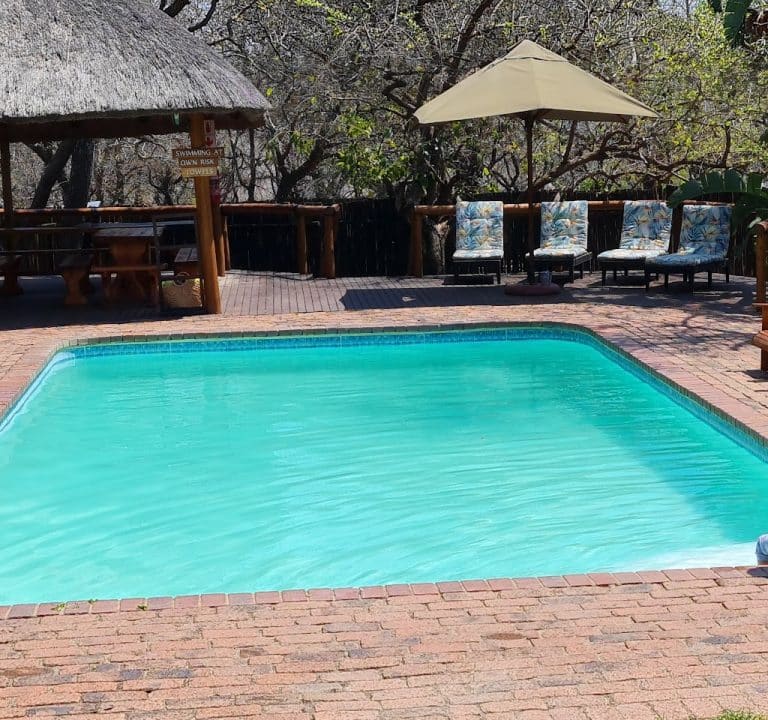
WRF is not only a place for study and discovery; it also accommodates staff housing and essential support services. The site operates two swimming pools and a natural environment that features a network of roads suitable for walking and jogging, offering both recreational space and a serene backdrop for reflection between research activities. Communications and logistics are supported through practical on‑site facilities, including telephone, fax, photocopying, wifi and transfers to and from Hoedspruit and Aconrhoek, ensuring that collaboration and fieldwork can proceed with ease.
The Wits Rural Facility is linked to broader academic ventures that amplify its impact. Notably, the Wits Rural Knowledge Hub (WRKH) was established in 2013 at the WRF to promote innovative, research‑based insights into rural development. The Hub aims to strengthen policy relevance and policy development through critical analysis, while enhancing the visibility of Wits’ rural research and experiential learning. This integration underlines WRF’s mission to deliver world‑class infrastructure and services that support high‑quality, problem‑based research and civic engagement across South Africa and the wider region.
Who benefits from the WRF experience is best understood through its broad remit. The facility is used by a range of Wits schools and research programmes, providing a living laboratory for applied research and postgraduate training. The emphasis on holistic, integrated approaches mirrors international trends in rural studies, aiming to connect laboratory work with field realities. In this way, WRF supports multi‑disciplinary collaboration that traverses ecology, conservation, social development, health sciences, education and beyond.
For travellers, researchers or partners seeking nearby highlights, the WRF sits in an area replete with natural and cultural attractions. Its proximity to the Kruger National Park places it within reach of world‑class wildlife experiences, while the Bushbuckridge region and surrounding communities offer insights into rural life, heritage and ongoing development projects. The broader Limpopo Province is known for its biodiversity, warm hospitality and opportunities to observe the interplay between rural communities and conservation landscapes.
Booking, access and travel tips help ensure a smooth stay. The facility provides on‑site accommodation and conference facilities, with support services including wifi and transfer arrangements to key local hubs. Malaria information is provided to visitors, with a reminder that malaria is not rife at WRF, but that readers should consult the information available to plan appropriate precautions before travel. Practical guidance on planning visits, coordinating research activities and arranging meetings can be found through the Wits Rural Facility page host links, including opportunities to connect with the Wits Rural Knowledge Hub for researchers and partners seeking to engage with rural development agendas.
In summary, Wits Rural Facility offers a purpose‑built environment for rural‑focused inquiry, student learning, and community outreach set within a significant bushveld landscape. It provides a robust mix of accommodation, seminar and conference facilities, research laboratories, dining and administrative support, all designed to enable meaningful collaboration between Wits, rural communities and external partners. For anyone exploring rural development, environmental science or applied research in Limpopo, WRF stands as a noteworthy base from which to observe, learn and contribute to tangible social and ecological outcomes.
- Range of accommodation for individuals and groups
- Award-winning seminar and conference facilities
- Restaurant and catering services
- Office space, computer laboratory, wet and dry laboratories
- Staff housing and two swimming pools
- Natural walking and jogging routes within a bushveld estate
- On‑site services: telephone, fax, photocopying, wifi, transfers to Hoedspruit and Aconrhoek
Further information and updates about Wits Rural Facility can be explored through the Wits University site, including links to related rural‑development initiatives and regional attractions. Works and projects hosted at the site reflect a commitment to practical learning, scientific enquiry and community engagement that characterise Wits’ broader mission in South Africa’s urban‑rural landscape.
Hoedspruit
Limpopo
South Africa


Hoedspruit: Where to stay and what to discover in Limpopo
Hoedspruit is a gateway to South Africa’s northern Limpopo province, offering a mix of self-catering lodges, boutique guesthouses and seasonal safari-style stays. It’s an ideal base for exploring the Kruger National Park’s ecosystem, neighbouring private reserves and the wider Panorama Route. When planning a stay, consider the area’s accessibility, your preferred pace and how you’ll move around to make the most of day trips and nature-filled outings.
Accommodation in Hoedspruit tends to fall into three broad styles: self-catering units that offer practical kitchens and private verandas; intimate guesthouses that prioritise personal service and local flavour; and larger lodges with shared facilities such as pools and guided activity programmes. For visitors seeking balanced convenience and immersion, a self-catering option with a dedicated host or on-site caretaker can be especially reassuring when you’re travelling with families, groups or flexible itineraries. If you’re researching options connected to academic or conservation settings, you may also encounter rural facilities that blend comfortable accommodation with research or outreach activities in nearby communities. An example from the broader region is the Wits Rural Facility, which provides a model for rural-focused hospitality and conferencing alongside educational programming. See: https://www.wits.ac.za/campus-life/arts-and-culture/wits-rural-facility
Areas to consider when choosing a stay include:
- Proximity to the Panorama Route, wildlife reserves and Kruger National Park gates for early-morning or late-afternoon safaris.
- Accessibility to Hoedspruit town for shopping, dining and practical services, while still feeling immersed in plains, savannah and wildlife soundscapes.
- Soundproofing and light controls if you’re chasing restful nights after long game drives or stargazing sessions.
- Availability of drive-yourself excursions versus organised tours, depending on whether you prefer to plot your own timetable or join guided experiences.
Typical amenities you can expect include well-equipped kitchens or kitchenettes, air conditioning or fans for hot days, reliable Wi-Fi in public spaces or rooms, and secure parking. Outdoor features such as swimming pools, outdoor lounges and braai (barbecue) facilities are popular in the region. Many properties also offer guided activities, transfers to and from key access points, and local knowledge on wildlife etiquette, conservation areas and scenic viewpoints. When you book, check what’s included in the rate—some properties provide cleaning, on-site catering, or breakfast packs, while others operate on a self-catering basis with shops nearby.
Transport and getting around is a practical consideration. A car is generally the easiest way to explore Hoedspruit and the surrounding wildlife areas, enabling flexible day trips to private reserves and public parks. If you’re planning excursions to more distant attractions, confirm whether transfers or private drivers are available through your accommodation. For longer stays, you may wish to arrange a shopping trip to larger towns beforehand, so you’re well provisioned for cooking, picnic lunches and self-catering needs between organised activities.
The best time to visit Hoedspruit hinges on wildlife visibility, weather, and crowd levels. The region’s dry season (roughly May to September) often provides clearer wildlife sightings and comfortable daytime heat, though evenings can be cooler. The wet season (roughly November to March) brings lush landscapes and more abundant birdlife, but occasionally heavier showers. Shoulder seasons can offer a balance of wildlife activity and more pleasant temperatures. Always pack sun protection, light layers for cool mornings or evenings, and a suitable insect repellent, particularly for evenings and dusk wildlife viewing.
Practical planning tips:
- Book early for peak travel periods, especially if you want a private or secluded setting with easy access to game-viewing areas.
- Ask hosts about malaria precautions and whether the area requires anti-malarial planning; while malaria is not rife in all parts of the region, producers often provide guidance based on current risk levels.
- Confirm what activities are available on-site or nearby—many venues offer safari drives, bush walks, birdwatching, or conservation talks, which can enrich your stay without leaving the property.
- Consider a mixed stay: a few nights in a self-catering unit to unpack and unwind, followed by a couple of nights at a lodge to join guided excursions and shared dining experiences.
When it comes to dining and local flavour, Hoedspruit offers a range of options from casual cafés to more formal dining rooms. Restaurants in the area generally focus on approachable, wildlife-friendly menus and ingredients sourced from regional producers where possible. For the full Hoedspruit experience, combine a quiet evening at your accommodation with daytime adventures—game drives or guided nature walks—and evenings spent reflecting on savannah skies, birds in flight and the rhythms of the bush.
Top-line attractions and experiences to consider in general terms include guided safaris in nearby reserves, birdwatching on protected reserves, scenic viewpoints along savannah landscapes, and cultural or community visits that illuminate local life and conservation efforts. For detailed itineraries and current recommendations, consult your accommodation host or local tourism information resources once you arrive in Hoedspruit.
Sorry, no records were found. Please adjust your search criteria and try again.
Sorry, unable to load the Maps API.
Why Claim Your Listing?
Claiming your listing on the B&B Finder directory website is a valuable opportunity for business owners. Here are five reasons why you should consider claiming your listings:
Control Over Business Information: By claiming their listing, business owners can ensure that all the information presented is accurate and up-to-date. This includes details such as contact information, address, pricing, and available services or amenities. Accurate information helps prevent customer confusion and improves overall satisfaction.
Enhance the Listing: Once a listing is claimed, owners can enhance it by adding more comprehensive information and rich media, like high-quality photos and videos. These additions can make the listing more attractive and engaging to potential customers, thereby increasing the likelihood of bookings.
Marketing Opportunities: Claiming a listing can also open up additional marketing opportunities. Owners may be able to participate in promotional campaigns, special offers, and other marketing activities organized by the directory. This can increase visibility and attract more customers to the business.