Exploring Pretoria: Accommodation, attractions, and practical tips for a comfortable stay
Pretoria, the administrative heart of Gauteng, combines grand colonial architecture with leafy precincts, modern shopping districts and easy access to nature. A well-planned stay can balance restful lodgings with convenient access to business hubs, universities, and nearby nature reserves. Whether you favour a quiet guest house, a stylish hotel, or a self-catering apartment, there are options to suit different budgets and preferences within the city’s diverse neighbourhoods.
When choosing where to stay, consider the different areas and what they offer. The eastern suburbs are popular for business travellers and families, with secure guest houses and boutique hotels often close to major roads, shopping centres, and embassies. The central and northern districts offer easy access to universities, museums, and government buildings, while quieter residential pockets near green spaces provide a more relaxed atmosphere. If you prefer a cosmopolitan vibe, look for accommodations near lively streets with cafés, bakeries and casual dining, as well as reliable taxi or rideshare options for nocturnal excursions.
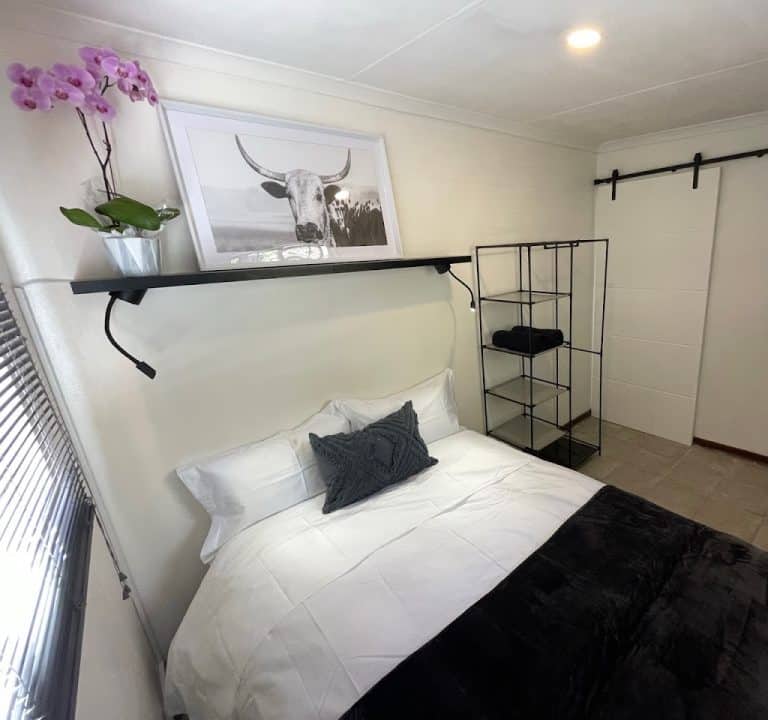
Common features to look for when booking include reliable security, on-site parking, and convenient transport links. A comfortable bed, a well-equipped kitchenette or tea/coffee facilities, and good Wi‑Fi are worth prioritising, especially for longer stays. If you plan to travel outside the city, check whether the property offers airport or rail connections or can arrange reliable transfers. For families, consider properties with family rooms or adjoining suites, and for business trips, look for work-friendly desks and quiet spaces.
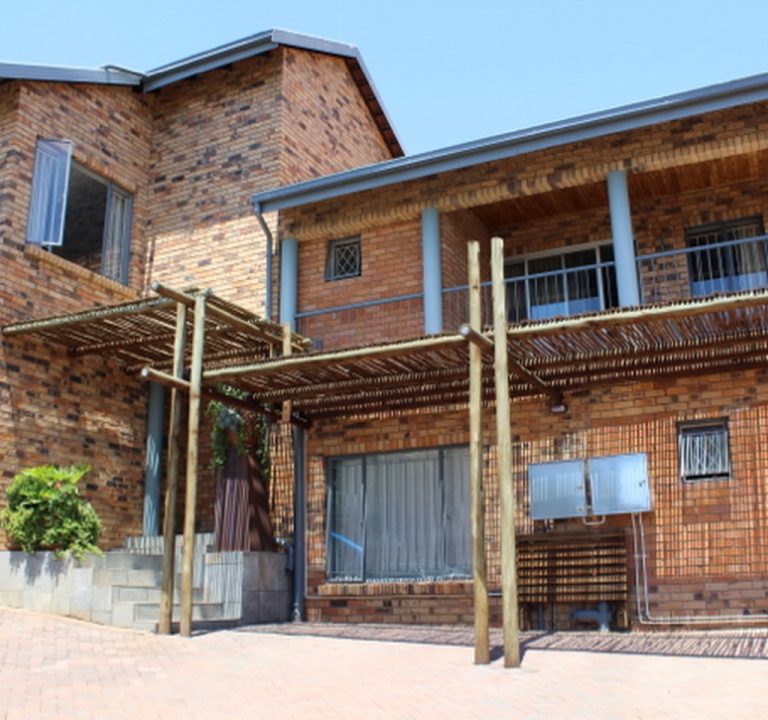
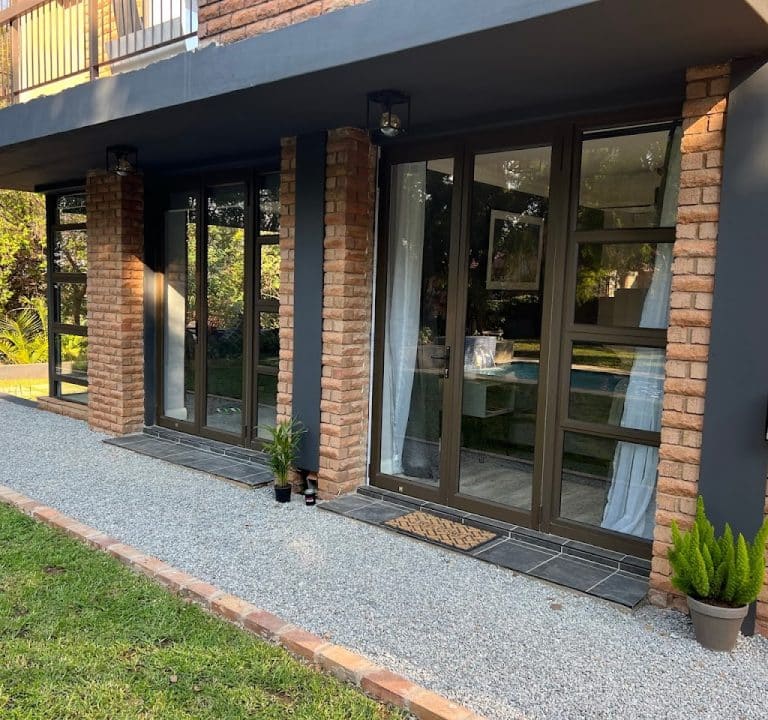
Typical amenities across Pretoria’s accommodation options often include secure parking or garage space, housekeeping services on a regular or flexible schedule, and options for self-catering or breakfast. Guest houses and boutique hotels commonly offer personalised service, with host recommendations for local eateries and day trips. A swimming pool, garden spaces, or a balcony with views can make a stay more enjoyable, particularly in hotter months. If you value sustainability, search for properties that emphasise energy efficiency, water conservation, and locally sourced products in guest rooms and common areas.
Transport is a practical consideration for most visitors. Pretoria benefits from a network of arterial roads and a growing use of ride-hailing services. If you’re staying near major universities or business districts, you’ll likely find short commutes to your planned activities. The Gautrain station network provides a fast link to Johannesburg and other parts of Gauteng, while local taxi services and rideshares help with shorter trips into neighbourhood centres and parks. If you’re driving, check for secure street parking or a designated on-site space, and be mindful of traffic patterns during peak hours in the morning and late afternoon.
The best time to visit Pretoria depends on your priorities. Spring (September to November) brings pleasant temperatures and colourful gardens, making outdoor exploration comfortable. Autumn (March to May) offers mild days and cooler evenings. The summer rainy season (October to April) can bring warm, humid days with occasional showers, while winter (May to August) tends to be dry and cooler, with crisp mornings. If you’re planning outdoor activities or garden visits, align your schedule with the drier parts of the year, but never discount the charm of a rain-softened city street after a light shower.
Attractions in and around Pretoria are varied and can suit a range of interests. Within the city, you’ll find grand government buildings, extensive botanical spaces, and museums that explore South Africa’s history, art, and natural heritage. For nature lovers, tranquil gardens, scenic viewpoints, and protected reserves nearby offer opportunities for walking, birdwatching, and picnics. Cultural experiences often emerge around markets, galleries, and craft workshops, where visitors can observe local artisans at work and sample kitchen staples and street food in a relaxed setting. Dining in Pretoria ranges from traditional South African fare to contemporary, globally influenced cuisine; many areas boast a mix of casual bistros, family eateries, and smart venues suitable for a relaxed breakfast, a business lunch, or an evening out.
For visitors seeking a balanced itinerary, a stay plan might include: a gentle morning stroll through a botanical garden or a historic precinct; a midday gallery or museum visit; an afternoon coffee in a neighbourhood café followed by a walk through shaded streets or a park; and an evening meal at a casual venue with a view or a relaxed cuisine experience. If you’re curious about a particular area, ask your host or accommodation for tailored recommendations on family-friendly activities, scenic drives, or short day trips to nearby attractions.
As a practical note, allow some flexibility in your schedule to accommodate travel times between precincts, as traffic and route choices can change. Pack adaptably for Pretoria’s seasonal shifts—layers for the mornings and evenings, and light clothing for warm afternoons. If you’re staying in a guest house or boutique hotel, you’ll often find hosts or managers ready to offer practical tips about local transit, safety, and the best times to visit popular spots. A well-chosen base near a core hub will help you maximise sightseeing while keeping time and transport friction to a minimum.
- Book early if your travel dates coincide with local events or holiday periods.
- Check security features, on-site parking, and access to reliable transport options.
- Consider a mix of accommodation types to experience different neighbourhoods.
- Plan a balanced itinerary with short, relaxed days to enjoy gardens, markets, and museums.