Durban: accommodation and planning your stay in KwaZulu‑Natal
Durban and the surrounding KwaZulu‑Natal coast offer a diverse range of accommodation to suit every style, from modern city hotels to intimate guesthouses and well-equipped beachfront resorts. When planning a stay, it’s helpful to think about which neighbourhood will best match your priorities—beach access, family-friendly facilities, nightlife, or easy access to sights and transport. Popular bases include bustling beachfront districts, leafy residential suburbs, and commercial hubs with easy access to major roads and the airport.
Areas to consider include the Golden Mile and the Point precinct for quick beach access and an active waterfront vibe, the Umhlanga Rocks area for a more upmarket stay with well‑appointed hotels, and the Berea for a traditional city‑side experience with leafy streets and convenient links to the city centre. If you’re seeking a quieter coastal village feel with shorter drives to nature and wildlife experiences, consider Winkelspruit or nearby coastal pockets where accommodation often emphasises sea views and relaxed resort-style living. In Durban itself, the central business district and Musgrave/Westville areas can provide convenient access to shopping, dining and transport hubs, while coastal suburbs offer easier beach access and family-friendly amenities.
Typical amenities to look for include en-suite bathrooms, reliable air conditioning or fans, free Wi‑Fi, secure parking, and on‑site dining or easy access to an area with good restaurants. Guesthouses and smaller hotels often offer personalised service, breakfast options, and comfortable common spaces, while larger hotels may provide fitness centres, business facilities, and multiple dining outlets. If you’re travelling with a family or a group, look for apartments or suites with separate living spaces, kitchenettes or self‑catering facilities, and on-site recreation such as pools or kids’ clubs. For business travellers, proximity to transport links and quiet workspaces can be particularly important.
Transport in Durban is well supported by a mix of private hire, ride‑hailing, and public options. Driving gives you the greatest flexibility to explore the coast, inland suburbs and surrounding nature reserves, but traffic and scarce parking in peak season can be challenging. The city’s popular coastal corridor is well served by taxis and ride‑hailing apps, and some areas offer convenient access to a bus or shuttle service. If you plan day trips to attractions beyond the city, a rental car may be the simplest option, while for stays centred on beaches and the waterfront, staying within walking distance of the promenade can reduce the need for daily driving.
Best time to visit Durban balances warm seas with the humidity of the subtropical climate. The summer months (November to March) bring hot days and lively beach atmosphere, but expect higher humidity and occasional rain. Winter (May to August) is mild and generally drier, with cooler evenings; it’s a good shoulder season for those seeking comfortable temperatures and quieter beaches. If you’re drawn to coastal scenery and outdoor activities, plan around the beach weather and local event calendars, which often highlight food markets, cultural performances and waterfront happenings.
Practical tips to help you plan a smooth stay:
- Book accommodation with secure parking if you plan to hire a car, and check access to public transport if you don’t.
- Consider a stay near a promenade or waterfront district for easy beach days and strolls in the evenings.
- Read recent guest reviews to gauge neighbourhood noise, convenience of access, and the reliability of wi‑fi and air conditioning.
- Check cancellation policies and any seasonal surcharges, particularly for peak holiday periods.
- Look for flexible breakfast options if you have early day trips planned or long travel days.
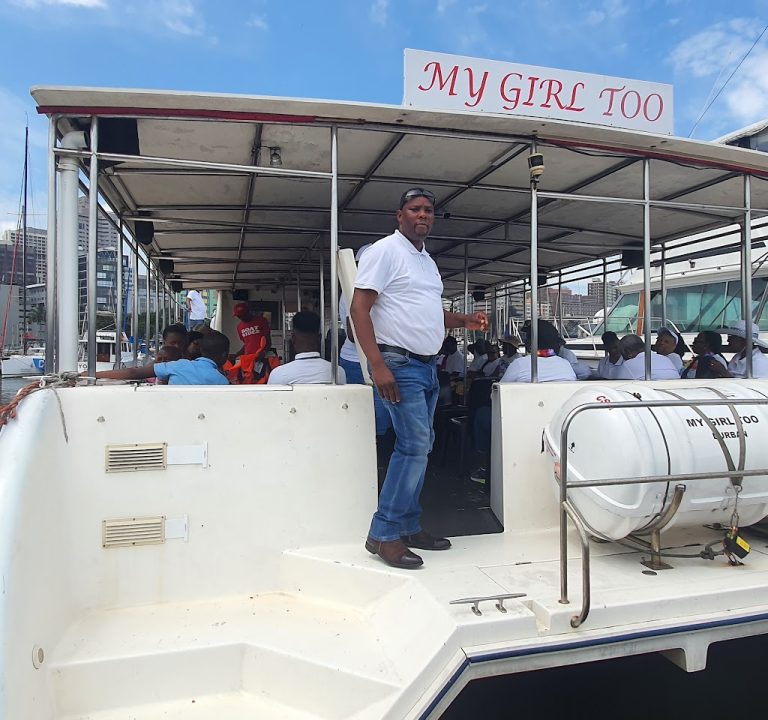
Durban offers a broad spectrum of attractions and experiences beyond its beaches. Expect a coastline rich with promenades, harbour views, and a waterfront precinct that blends shopping, dining and leisure spaces. Inland, botanical gardens, cultural hubs, and heritage sites provide opportunities to learn about the region’s history and biodiversity. Dining in Durban reflects its cosmopolitan character, with options ranging from seafood-focused venues and casual eateries to fine dining and African-inspired cooking. Many restaurants feature terraces with sea or city views, making mealtime part of the overall holiday experience.
When selecting a place to stay in Winkelspruit or nearby, consider access to the coast and the range of activities available within a short drive. Some travellers favour a mixed approach—a beachside base for mornings by the sea and a short drive into Durban’s more urban districts for evenings out, shopping, or visiting museums and galleries. For a balanced trip, plan a couple of days on the coast, a day or two exploring the inland sights, and a flexible itinerary to adapt to weather or local events. With thoughtful planning, Durban’s accommodation scene can provide a comfortable home base for discovering both the city and the KwaZulu‑Natal coastline.