Pretoria: where to stay, what to see, and how to plan a memorable visit
Pretoria, the administrative capital of South Africa, offers a blend of leafy suburbs, historic architecture, and modern amenities that suit travellers seeking culture, convenient transport, and relaxed hospitality. When planning a stay, consider basing yourself in central or northern parts of the city where access to attractions, restaurants, and public transport is easiest. Central neighbourhoods such as the historic arcades and embassies area offer a compact stay with walkable options, while areas like Hatfield, Brooklyn, and Menlyn provide vibrant dining scenes and good transport links. If you prefer a quieter, more secluded countryside ambience, you might also look at lodge-style options a short drive from the city centre.
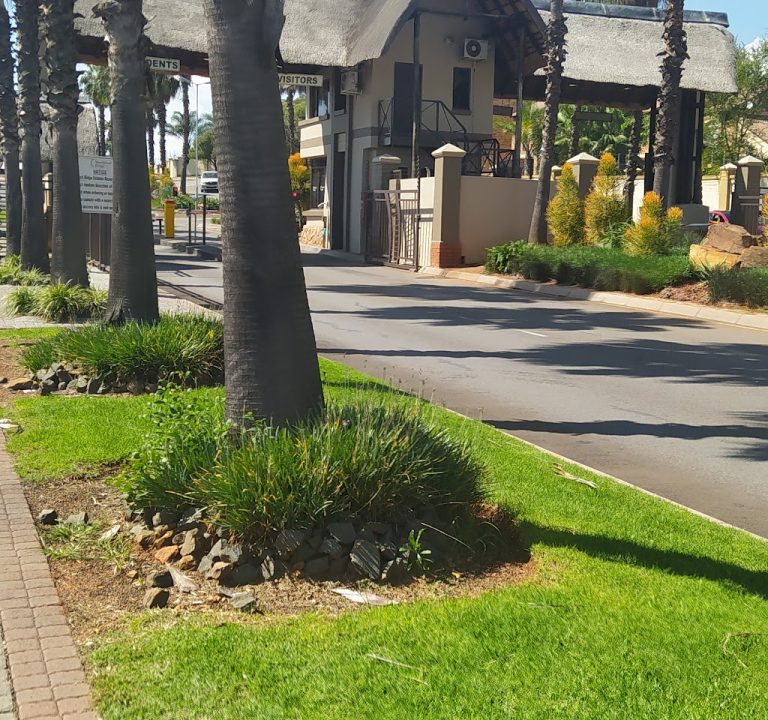
Accommodation in Pretoria ranges from boutique B&Bs and guesthouses to larger hotels and lodge-style properties. A lodge such as Windmill can offer a comfortable, informal atmosphere with on-site services and easy access to outdoor spaces, making it a good choice for travellers who appreciate a relaxed pace. When selecting your base, think about the rhythm of your trip: are you here to explore museums and gardens, or to use Pretoria as a gateway to nearby natural reserves and Day trips? Your answer will shape the area you choose and the kind of room and amenities you prioritise.
What to look for when booking
- Location relative to your planned activities: proximity to central sights, embassies, universities, or business districts can save time and transport costs.
- Transport access: check if the property offers secure parking, is near Gautrain stations, or has easy access to rideshares and local taxis.
- Typical amenities: reliable Wi-Fi, air conditioning, safe and well-lit parking, and a good breakfast are common requirements for a comfortable stay in Pretoria.
- Safety and security: look for properties with good reviews regarding neighbourhood safety and on-site security measures.
- Cancellation policy and flexibility: especially if your plans might shift, opt for options with clear policies and reasonable timelines.
Transport and getting around
Pretoria is well-served by the Gautrain network connecting to Johannesburg and beyond, and many accommodation providers offer easy access to major routes. Within the city, a mix of Uber, licensed taxis, and local mini-bus services can help you reach attractions such as historic buildings, botanical gardens, and museum precincts. If you prefer a calmer pace, many lodges and guesthouses accumulate a short drive to the countryside for a peaceful day trip, while still keeping you close to the city’s cafés and restaurants.
Best time to visit
Pretoria enjoys a temperate climate with four distinct seasons. The spring and autumn periods (roughly September to November and February to April) are particularly pleasant for outdoor exploring, with mild days and clear skies. Summer (December to February) can be warm and occasionally humid, with late-afternoon showers, which are ideal for enjoying cool indoor spaces or a garden setting. Winter (June to August) is typically mild and sunny, though it can be chilly in the evenings, so pack a light layer or jacket. If you plan to visit botanical gardens or outdoor markets, check local schedules as some venues host seasonal events and crafts markets during peak periods.
What to do and see (general, not tied to specific prices or claims)
Pretoria offers a mix of cultural, historic, and natural attractions. Visitors often enjoy strolling through well-kept gardens and university campuses, exploring art galleries and museums, and discovering neighbourhood markets and café culture. In addition to city sights, you can consider day trips to nearby countryside, nature reserves, or boutique towns within easy driving distance. Dining thrives in several districts where you can sample a range of cuisines—from traditional South African fare to modern fusion concepts. For many travellers, meals at neighbourhood eateries, coffee roasters, and casual bistros complement a day spent sightseeing or shopping.
Practical tips for a smooth stay
- Book ahead for peak periods, especially if you have specific room types, breakfast preferences, or accessibility needs.
- Read guest reviews focusing on cleanliness, service, and the consistency of Wi-Fi and hot water.
- Confirm parking arrangements if you’re driving, and check for secure access to your floor or room.
- Pack a light layer for chilly mornings and evenings, plus sunscreen and a hat for daytime strolls.
- Budget some time to explore breakfast or brunch options in the area; many precincts showcase a lively café culture.
- If you’re planning longer stays, ask your host or front desk about local tips for markets, walkable routes, and seasonal events.
Dining and experiences in general terms
Pretoria’s dining scene reflects a cosmopolitan flavour with options across casual and refined settings. You can expect venues that offer hearty comfort foods, light contemporary dishes, and flavourful African-inspired cuisine. Markets, coffee hubs, and street-food stalls provide opportunities to sample locally produced goods and regional favourites. For a relaxed evening, look for neighbourhood bistros or garden-side restaurants where you can enjoy a meal after a day of exploring, often accompanied by thoughtful wine and cocktail lists. When planning a food-focused itinerary, consider a mix of quick, casual meals and a couple of longer sit-down experiences to balance pace and rest.
Ultimately, Pretoria rewards travellers who plan with flexibility and curiosity. By choosing a well-situated base, weighing amenity needs against budget, and allowing time for both landmark sights and leisurely meals, you can craft a balanced stay that highlights the warmth of local hospitality. For more inspiration and practical planning resources, visit official tourism pages that map neighbourhood highlights, transport options, and seasonal events to help you design a confident, well-paced itinerary.