Staying in Pretoria: where to stay, what to expect, and how to plan your visit
Pretoria, the capital city of Gauteng, offers a mix of leafy suburban charm, modern townhouses and guesthouses, and convenient access to the broader Highveld region. When planning a stay, consider the different neighbourhoods that characterise the city: central business districts with historic architecture, quiet residential areas close to embassies and gardens, and modern precincts with shopping, dining and nightlife. A well-chosen base can cut travel time, reduce transit stress, and help you tailor an itinerary that suits your pace—from museum days to outdoor exploration and culinary adventures.
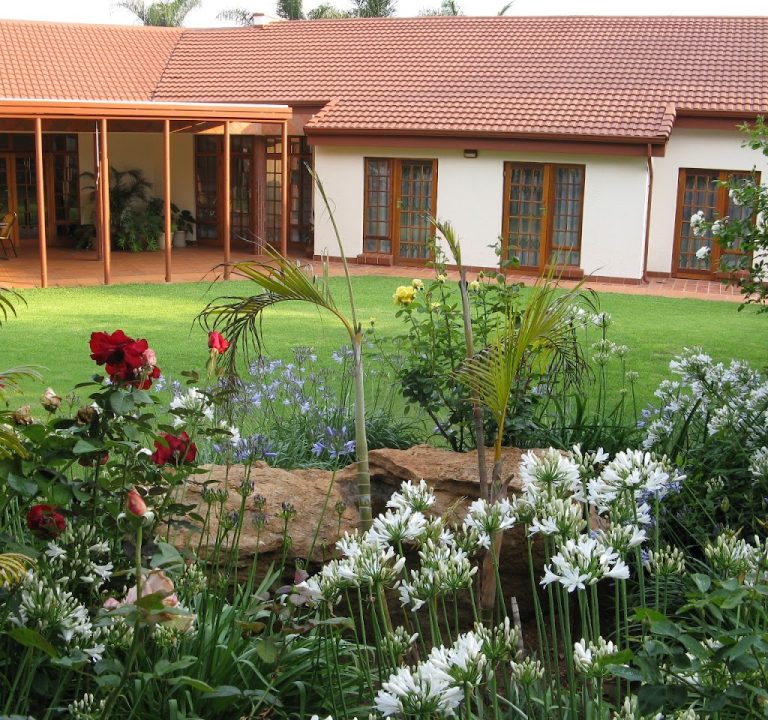
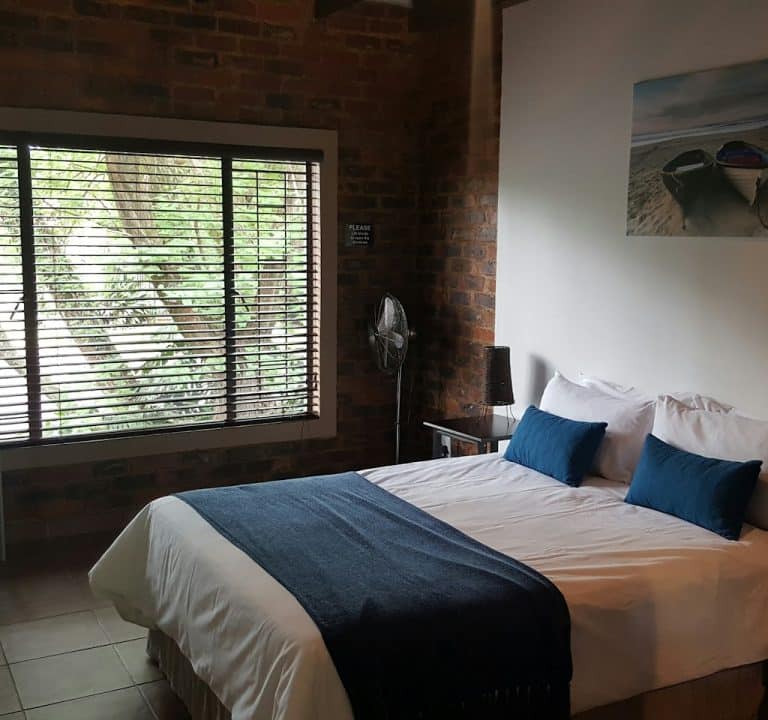
Accommodation in Pretoria ranges from boutique guesthouses and BnBs to serviced apartments and townhouse complexes. One example you might encounter is a townhouse complex such as Willows Lofts, which can offer a practical blend of self-catering facilities, private living spaces and a secure environment. When choosing a place to stay, think about the kind of experience you want: a central location for quick access to attractions, a tranquil suburb with easy parking, or a gated complex with on-site amenities. Self-catering options can be especially convenient if you prefer to set your own timetable, while a bed-and-breakfast or guesthouse may provide a more personal touch and a chance to chat with hosts about local tips.
Areas to consider include:
- Centre and historic precincts: good for easy access to government buildings, museums, and significant city sights.
- City fringe and parks: often quieter but well connected to major roads and public transport.
- Ridge and embassies zones: typically residential, secure, and well-served by eateries and shops.
- Northern suburbs and Menlyn: modern shopping centres, restaurants and convenient transport links.
- Universities and student districts (Hatfield, Brooklyn): lively atmospheres with cafes, bookstores and frequent events.
What to look for when booking your Pretoria stay? Prioritise these essentials to avoid surprises:
- Proximity to your planned activities, museums, and markets
- Reliable Wi‑Fi, especially if you will work remotely or need to plan daily trips online
- Secure parking or good public transport access
- Clear information about check-in times and self-check-in options
- Kitchen facilities or breakfast options if you prefer flexibility
- Freshness and cleanliness of rooms, with easy access to bathrooms
- Outdoor spaces or shaded areas, particularly in warm months
Typical amenities you might encounter include free Wi‑Fi, private or en-suite bathrooms, air conditioning or good ventilation, stocked kitchens or kitchenettes, laundry facilities, secure parking, and sometimes a pool or gym. Some properties offer guided walks, curated city maps, or the host’s recommendations for local restaurants and markets. If you are travelling with family or a group, look for multiple bedrooms or clearly defined living spaces to ensure privacy and comfort for everyone.
Getting around Pretoria is straightforward with a combination of private transport and public options. The city is connected by major motorways and regional roads, and you’ll find reliable ride-hailing services in many neighbourhoods. The Gautrain connects Pretoria with Johannesburg and OR Tambo International Airport, offering a clean and efficient transit option for longer journeys or day trips. When planning day excursions, consider whether your base is close to parks and gardens, government buildings and monuments, or shopping and dining districts to maximise your time. If you prefer scenic routes, early mornings in spring can be especially pleasant for walks in botanical spaces or open-air markets.
Best time to visit Pretoria depends on your activities. Spring (September to November) brings mild temperatures and colourful flowers in public spaces and gardens, making it ideal for outdoor exploration. Autumn (March to May) offers cooler days that are comfortable for sightseeing. Winter (June to August) is dry and cool, with clear skies that are perfect for photography and city views from vantage points. Summer can bring afternoon showers, but it remains a lively period with markets and events. Pack layers to adapt to changing weather, and remember sun protection for daytime exploration.
For dining and experiences, Pretoria presents a broad spectrum from casual cafés and market-style eateries to refined restaurants that emphasise regional produce. You’ll encounter places that cater to a range of tastes, with menus that highlight South African flavours, international favourites, and seasonal dishes. When researching dining options, consider reservations for peak times and check for any special tasting menus or set lunch deals that fit your itinerary. In addition to meals, you might plan visits to city parks, cultural centres, or galleries where occasional performances and exhibitions occur.
Practical tips to get the most from your stay:
- Book accommodation with clear cancellation terms in case your plans shift.
- Check noise levels in the area and request a quieter room if you’re a light sleeper.
- Bring comfortable walking shoes for uneven pavements and leafy streets.
- Use official tourism resources for compatible self-guided walks and maps (for example, local tourism boards and city guides).
- Source reliable information on safety and transport when planning late-evening outings.
To start planning your Pretoria stay, explore general visitor information and official tourism guidance at reputable sources online, and consider how your chosen accommodation aligns with your schedule, interests, and pace. With the right base, you can enjoy a mix of history, gardens, modern conveniences, and approachable dining—allowing you to experience Pretoria as both a practical, well-connected city and a welcoming, relaxing destination.