Discovering Pretoria: where to stay, what to do, and how to plan a memorable visit
Praised for its leafy streets, wide avenues and a blend of modernity with a touch of colonial heritage, Pretoria offers visitors a welcoming base for exploring Gauteng. When planning a stay, think about what you want from your trip: a city buzz with easy access to museums and embassies, or a quieter residence close to nature and parks. Pretoria’s accommodation ranges from comfortable bed and breakfasts to stylish boutique hotels and self‑catering options, with plenty of choices in several well‑connected neighbourhoods.
Areas to consider for accommodation include the central city vicinity, Hatfield and Arcadia for a lively dining and nightlife scene, Brooklyn and Menlyn for a contemporary, family‑friendly atmosphere, and the eastern suburbs such as Waterkloof and Moreleta Park for a calmer, residential feel. If you prefer easy access to parks and outdoor spaces, be mindful of distances to the Pretoria National Botanical Garden, Groenkloof Nature Reserve, or the tranquil Oud boarding‑house style streets that characterise some suburban pockets. A popular option for visitors who value commutable convenience is staying near the major arterials, with straightforward road access to the government precinct, museums and shopping centers.
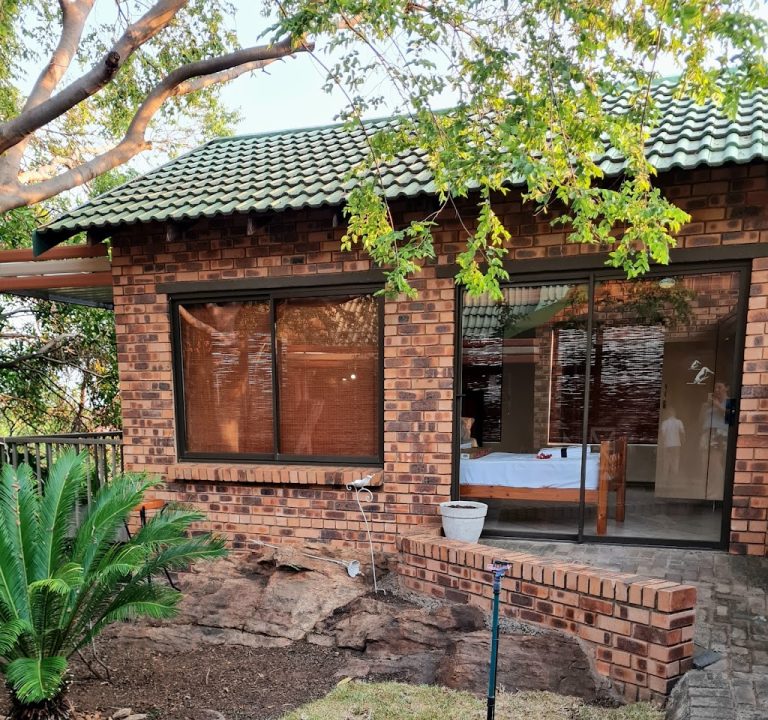
Wilgers Guesthouse, a bed & breakfast in the Wilgers area, exemplifies the respondent mix of comfort and practicality often sought by travellers. In many B&Bs and guesthouses you will find well‑presented rooms, a generous breakfast, and spaces to relax with other guests. This type of accommodation can be ideal if you appreciate a more personalised service and a friendly, home‑from‑home atmosphere, alongside convenient access to major routes and local amenities.
When booking, look for a few practical details that will shape your stay. Standard inclusions often cover comfortable beds, heating or air‑conditioning depending on the season, privacy, secure parking, and reliable Wi‑Fi. Check whether the property offers self‑catering facilities or simply breakfast; note if there are on‑site facilities such as a communal lounge, garden or terrace, and a petite kitchen for light meals. For families or groups, confirm room configurations (for example, whether there are en suite bathrooms and the availability of extra beds or cots). Accessibility features can also be important, so it's worth checking steps, lifts, and wide doorways if needed.
Typical amenities you might encounter in Pretoria‑area stays include secure parking or easy street parking, daily housekeeping at some properties, and guest access to shared lounges or outdoor spaces. Some establishments provide small libraries, guided information on local walks, or drop‑off arrangements for popular sights. If you have particular needs—such as dietary restrictions for breakfasts or late‑check‑in requirements—contact the host in advance to confirm arrangements. Always read recent guest reviews for real‑world tips on noise, neighbourhood character, and the reliability of amenities.
Transport within Pretoria is straightforward, with a network of private taxis, ride‑hailing services, and relative ease for car hire. If you plan a wider Gauteng itinerary, consider the convenience of staying within reasonable reach of major roads and public transport links. Although the city centre has a concentration of offices, cultural venues and eateries, many visitors enjoy a short drive to suburban precincts that offer a broader choice of restaurants and shops. For day trips, central location can make it simpler to arrange guided tours or excursions to nearby attractions and nature reserves.
The best time to visit Pretoria depends on what you want from the climate. Spring (September to November) and autumn (March to May) typically offer mild temperatures and pleasant conditions for exploring outdoor attractions. Summers can be hot and rainy, especially in late afternoons, so plan museum visits or shaded outdoor time in the mornings. Winters are cool but usually dry, making it a good season for strolling historic streets with lighter crowds. Pack layers, comfortable walking shoes, and a light raincoat if you travel during the wetter months.
When it comes to planning your itinerary, balance is key. A day might begin with a guided walk or a visit to a landmark that reflects the city’s history and governance, followed by a relaxed lunch and an afternoon in a park or botanical setting. Pretoria’s restaurant scene tends to favour modern South African cuisine, with numerous venues offering seasonal menus, light bites, and family‑friendly options. Rather than chasing every hotspot, allow time to wander neighbourhoods, discover small cafés, and sample regional dishes in laid‑back venues. For evening dining, you can choose from a variety of eateries ranging from classic bistros to contemporary eateries—most will accommodate dietary preferences with advance notice.
Practical tips for a smooth stay:
- Book a well reviewed property with clear notes on facilities you require (parking, Wi‑Fi, breakfast, kitchen access).
- Confirm directions and check‑in times with your host ahead of arrival.
- Plan travel between suburbs in daylight if unfamiliar with the city layout.
- Allow time for relaxed meals and to explore local markets or craft shops in nearby districts.
- Keep a flexible outlook; Pretoria offers a mix of formal galleries and open spaces that reward wandering and discovery.
For more information on Pretoria’s attractions, dining options and practical travel tips, consider visiting official tourism sites or local visitor centres. These resources can offer updated guidance on accessibility, seasonal events, and suggested day trips, helping you tailor a stay that suits your interests while making the most of your chosen accommodation. Whether you select a friendly bed & breakfast such as Wilgers Guesthouse or another welcoming option, Pretoria provides a well‑paced, visitor‑friendly base from which to explore Gauteng’s varied offerings.