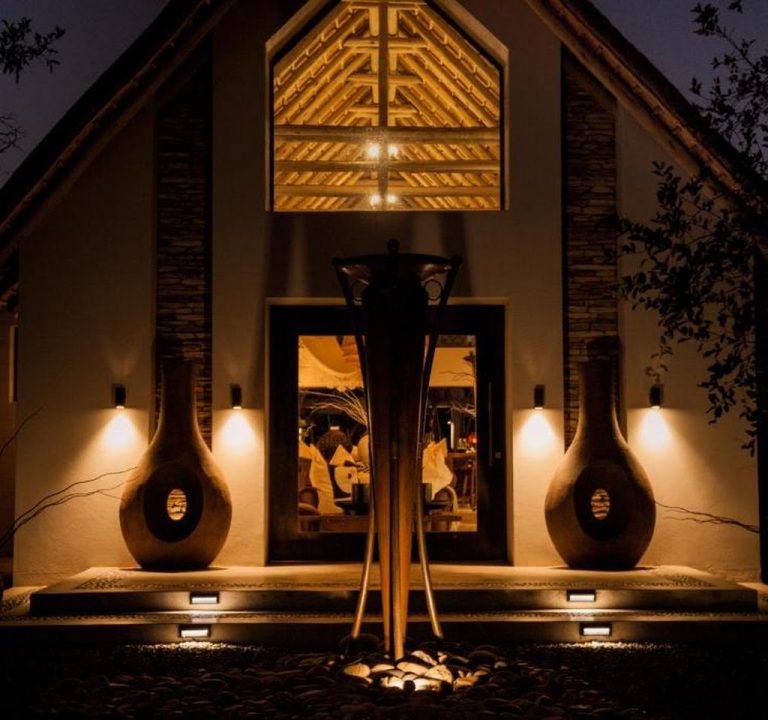
Hoedspruit in Limpopo: where to stay, what to plan for, and how to make the most of your visit
Hoedspruit sits on the edge of the Lowveld in Limpopo, a gateway to some of South Africa’s most celebrated safari landscapes. For travellers seeking a mix of real nature, comfortable stays and practical logistics, the town offers a range of accommodation styles from self-catering homes to intimate guesthouses and wildlife lodges. When planning a stay here, it helps to map out a few key areas and considerations to ensure you strike the right balance between convenience, atmosphere and value.
One prime approach is to choose your base by considering proximity to major wildlife routes, reserve entrances and the practical flow of day trips. Hoedspruit’s central areas are convenient for access to shops, eateries and local services, while the surrounding neighbourhoods and lodges provide quick access to game reserves and outdoor activities. If you are focusing on a wildlife-heavy itinerary, look for properties that offer easy transfers to nearby reserve gates, or that include shuttle options for early-morning game drives. For a quieter, more rural feel, you can opt for self-catering units or guesthouses in outlying parts of town or on small estates, where you’ll often enjoy more space and a greater sense of immersion in the surrounding bush.
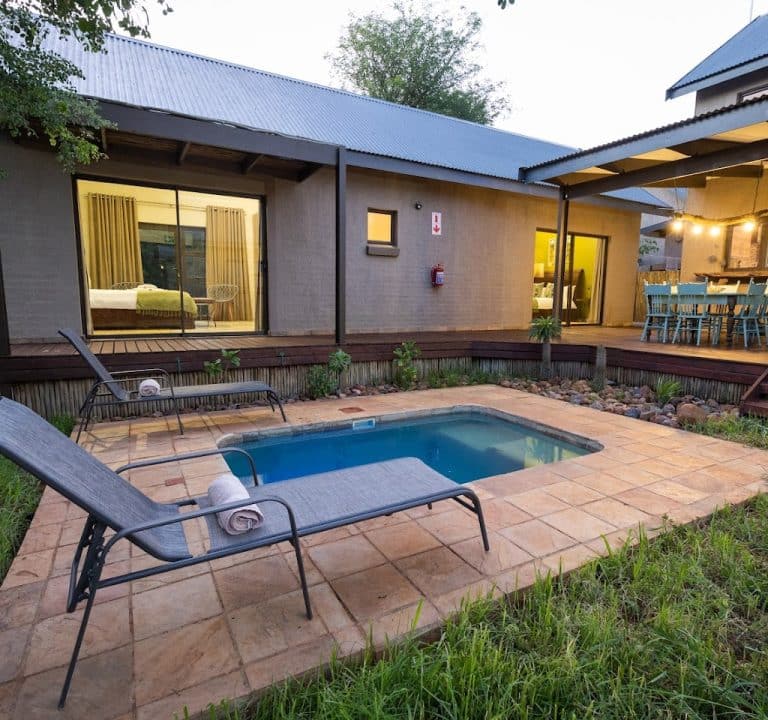
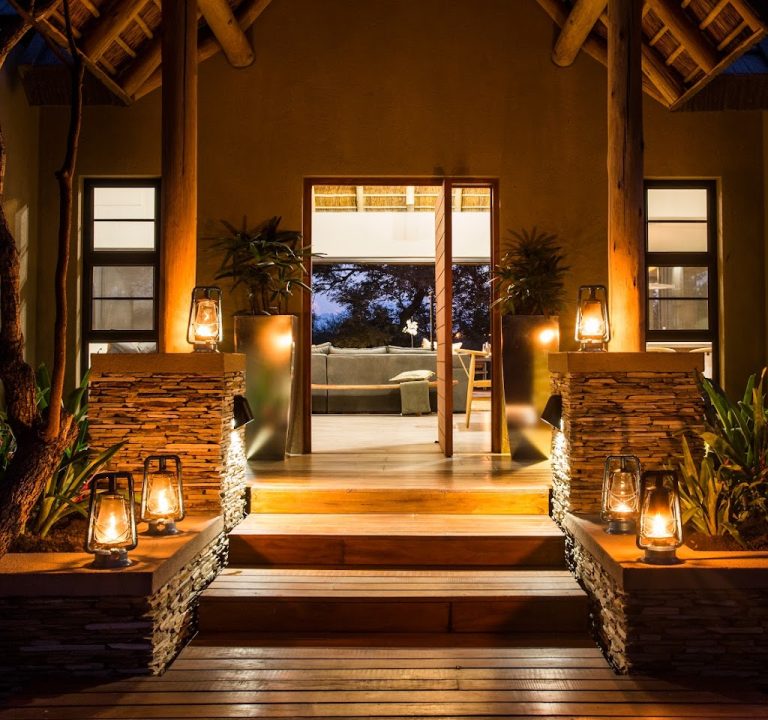
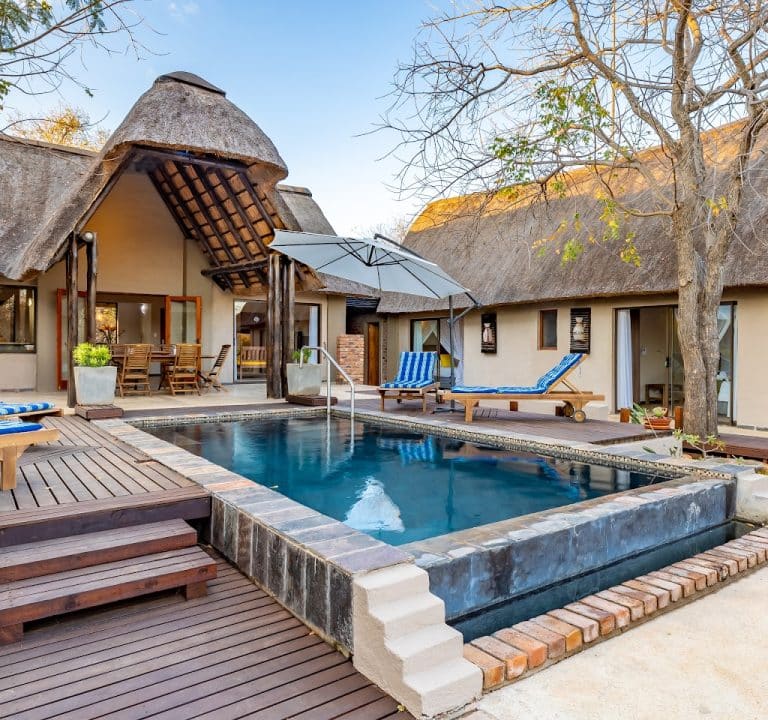
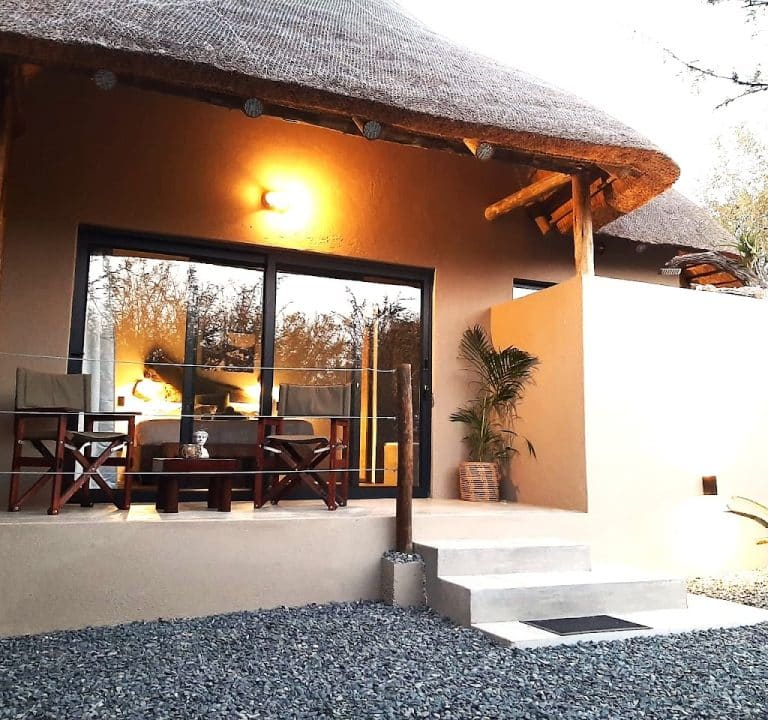
Typical accommodation options in Hoedspruit range from self-catering homes to boutique guesthouses and purpose-built safari lodges. Features you might encounter include fully equipped kitchens, private patios or verandas, air conditioning, and communal spaces such as lounges, swimming pools, or barbecue areas. Some properties emphasise family-friendly facilities, while others cater to couples seeking tidal calm after a day of exploration. If you value outdoor meals, you may find chalets or lodges with outdoor dining areas and fire pits. Always check current policies on housekeeping, security, and access to 24-hour assistance when booking.
When booking, here are practical considerations to guide your decision:
- Proximity to activities: consider how close your base is to wildlife reserves, scenic viewpoints, and popular drives.
- Comfort and privacy: assess room layout, en-suite facilities, and whether the property offers standalone units or shared spaces.
- Self-catering versus full service: decide if you want the ease of daily housekeeping and meals on-site or the flexibility of cooking for yourself.
- Security and access: verify on-site parking, gate access, and a safe environment for families.
- Flexibility: check cancellation policies and the host’s willingness to assist with customised itineraries or early starts for game drives.
- Value-adds: note whether the property offers guided activities, transfer options, or partnerships with nearby operators.
When planning your itinerary, Hoedspruit and the surrounding area lend themselves to a blend of wildlife experiences and cultural encounters. Within a short drive, you can access private reserves and conservation projects that offer morning or late-afternoon drives, bush walks, or specialised photography sessions. The region is also a good base for exploring the northern parts of the Kruger National Park, famed for its biodiversity and dramatic landscapes. In town, you’ll find a range of dining options and markets where you can sample regional flavours and crafts. Many visitors opt for guided excursions to gain insight into biodiversity, habitat restoration and local wildlife management practices, while others enjoy leisurely days by the pool after a long morning on foot or in the vehicle.
Best time to visit Hoedspruit varies with what you want from your trip. The dry season, typically winter months in South Africa, often brings greater wildlife visibility as animals congregate around water sources, and conditions are cooler for day trips. The wet season, with its summer rains, brings lush scenery and active birdlife, though it can mean more variable road conditions and higher humidity. Planning around game-drive schedules, sunrise or sunset activities, and approved entry times to reserves will help you maximise your time. Do bear in mind that lodge policies and reserve rules may affect your timings, so pre-booking guided drives or outings is advisable during peak travel periods.
Getting around Hoedspruit and the surrounding area is straightforward, but having a clear transport plan helps. If you’re staying in central Hoedspruit, you may rely on private transfers, organised tours, or rental cars to reach reserves and trailheads. For many visitors, a combination of a self-catering base with occasional guided excursions offers a good balance of flexibility and depth of experience. If you plan to spend several days in the bush, ensure your accommodation provides secure parking and practical loading space for luggage, cameras, and safari gear.
One example of a self-catering option worth considering is Wildheart Safari Accommodation, which provides a comfortable base for travellers who prefer independence while still being well positioned for day trips into the surrounding wildlife areas. You can learn more about this option and others by visiting their official page at the following link: Wildheart Safari Accommodation.
Practical tips to help you plan your stay:
- Pack layers and sunscreen, as temperatures can vary markedly between early mornings and afternoons.
- Book early for popular periods (school holidays and long weekends) to secure preferred rooms and drives.
- Bring a reusable water bottle and light snacks for day trips, especially if you will be travelling between gate times or on longer drives.
- Check with your host about recommended suppliers for groceries and local delicacies to avoid long trips into town.
- Respect conservation guidelines and keep noise to a minimum when on reserve lands or lodge properties.
In short, Hoedspruit offers a practical, varied base for a safari-centric Southern African escape. With careful planning around where you stay, how you access reserves, and when you travel, you can enjoy a comfortable home from home while still immersing yourself in the remarkable natural world that surrounds this part of Limpopo.