Wilderness, Western Cape: where to stay, eat, and explore
Perched on the Garden Route with sweeping views of the Indian Ocean, Wilderness offers a relaxed blend of beaches, waterways and forest canopies. It is ideal for travellers seeking a slower pace, with easy access to nature reserves, lake-draught walks and long, sandy shores. When planning a stay in Wilderness, consider the different areas on offer, from close-to-town self-catering escapes to tucked-away lodges along quieter coves. Each area tends to deliver its own atmosphere: the main coastal strip is lively and convenient, while inland pockets provide a more secluded, nature-forward experience.
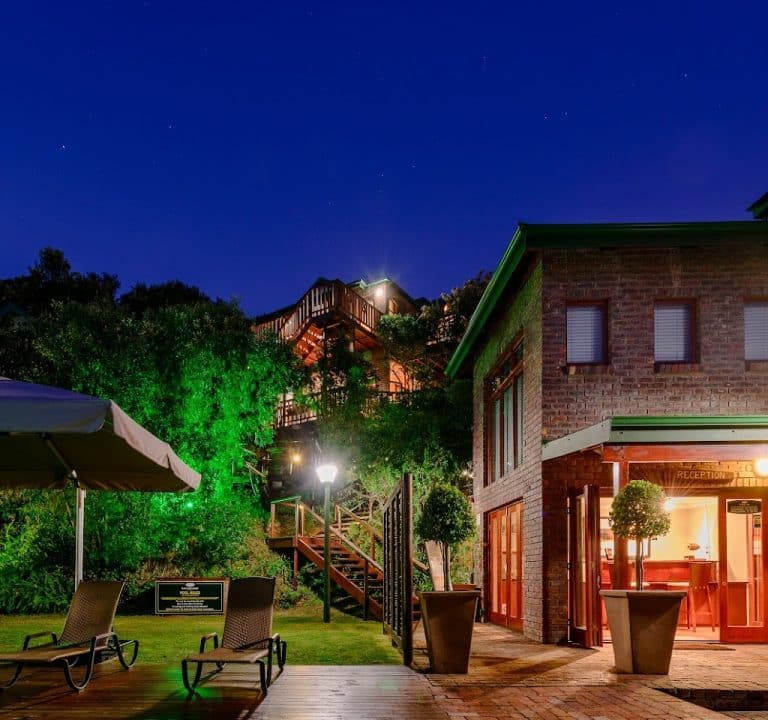
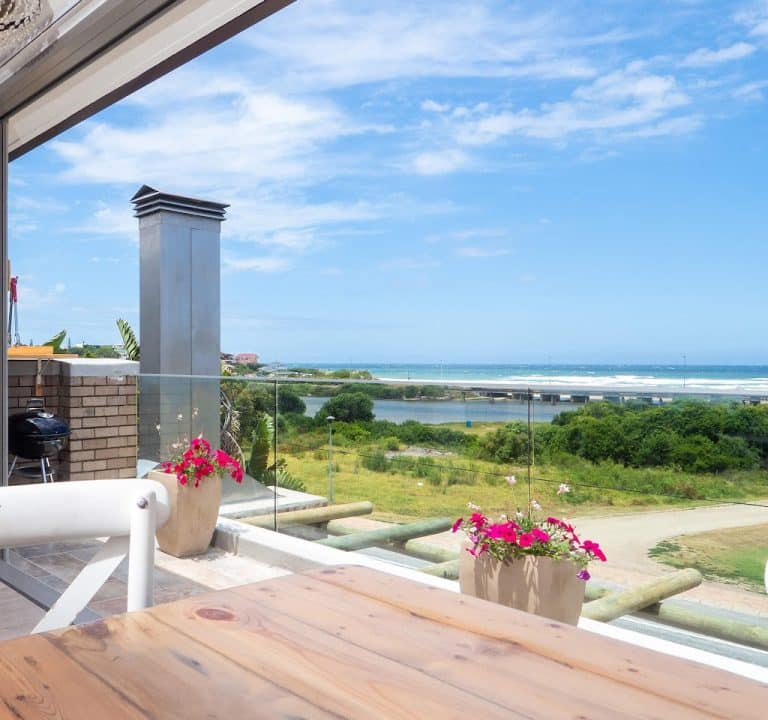
Accommodation options in Wilderness are varied and practical for a range of travellers. Self-catering stays, guesthouses and small boutique hotels are common, often set within lush gardens or perched with views towards the sea or the lakes. Many properties embrace a family-friendly or couple-focused ethos, offering features such as fully equipped kitchens, private verandas, free parking and proximity to walking trails. When selecting a place to stay, think about your priorities: is a kitchen essential, or would you prefer a simply furnished room with easy access to outdoor spaces?
For those prioritising convenience, look for properties within a short walk of the main road and the lake systems, with reliable wi‑fi, secure parking, and a clean, well-kept environment. If you crave a quieter retreat, consider options tucked away from the central thoroughfare, offering more privacy and garden space. Transport within Wilderness is typically straightforward, with rental cars being the most practical option for exploring beyond the village. Many lodgings offer on-site parking, and a few provide shuttle services to nearby beaches or the town’s amenities. The surrounding region is walkable to many natural attractions, but plan for a short drive to reach the more distant viewpoints or protected areas along the coast.
Typical amenities in Wilderness accommodation include self-catering facilities, outdoor seating or braai areas, and access to bicycles or kayaks for lake-based activities. Families will value rooms with multiple beds or interconnecting spaces, while couples may appreciate compact studios with private terraces. Cleanliness and good housekeeping are worth confirming in advance, as is the availability of fresh water for filters or safe drinking water, given the coastal climate. A dependable air‑conditioned or well-ventilated space can make all the difference in warmer months, while heating options are handy for the winter season, which, in this part of the world, is typically mild but can be chilly at night.
Best time to visit Wilderness is guided by weather and your preferred activities. The summer months (roughly November to February) bring warmer seas, longer days, and excellent conditions for beach walks and swimming, though peak season can be busier. Autumn and spring offer pleasant temperatures for hiking through forest trails and exploring the lakes, often with fewer crowds. Winter is milder than many inland regions, but the ocean can be cooler; it can still be a good time for birdwatching and enjoying quiet, introspective coastal scenery. Consider shoulder seasons if you want more serene beaches and lower accommodation rates while still enjoying outdoor activities.
When planning your itinerary, balance water-based activities with land walks and gentle cycles. The lakes and waterways around Wilderness are perfect for canoeing or paddleboarding, while coastal trails reward you with dramatic views of the shoreline, dune systems and evergreen forests. If you’re visiting with wildlife interests, you may spend time in nearby parklands where birdlife is prolific and the landscape changes with the tides. For a relaxed day, combine a stroll along the main beach or the island hinterland with a sit-down meal at a restaurant that emphasises regional produce and fresh flavours.
Practical tips to help you plan a smooth stay:
- Book accommodation with clear cancellation policies and a flexible approach in case plans shift.
- Check access to kitchens or cooking facilities if you prefer self-catering, and confirm if essential equipment is provided (fridge, stove, utensils).
- Assess proximity to the beach, lakes, and nature trails to minimise long walks after meals or in heat of the day.
- Consider ventilation and shade, especially for warmer months; bring light layers for cooler evenings and a hat for sun protection.
- Plan transport in advance; a car is the most convenient option for exploring the wider Garden Route, though some properties may offer local transfer services.
- Stock up on basic supplies in advance if you are staying in a more remote area, as some shops may be modest in size and operating hours vary seasonally.
Nearby attractions and experiences are rooted in the natural surroundings. Expect opportunities to explore pristine beaches, tranquil lake coves and forest paths that wind through the region. The area is known for its birdlife and opportunities to observe wildlife in a relatively peaceful setting. For dining, many restaurants emphasise fresh, seasonal ingredients and light, coastal-inspired menus—ideal after a day of outdoor activities. While exact venues and opening hours fluctuate, you can generally expect a selection of casual cafes, family-friendly eateries, and more refined options within easy reach of most accommodation clusters.
When choosing a place to base yourself in Wilderness, look for hosts that provide clear guidance on local transport options, walking routes, and the best times to visit specific highlights. The right self-catering base can be a cosy home from home, enabling you to prepare wholesome meals after a day of discovery. With thoughtful planning, Wilderness makes a balanced, restorative stop along the Garden Route—an ideal mix of nature, light physical activity and restful downtime by the water.