Plettenberg Bay: Accommodation, Attractions and Planning Your Stay
Plettenberg Bay, on the scenic Garden Route in the Western Cape, offers a seamless blend of coastal beauty, forested landscapes and welcoming guesthouses, hotels and lodges. Whether you seek family-friendly beaches, tranquil evenings, or easy access to nature reserves, the town makes a convenient base for exploring the region. Planning your stay involves considering where you’ll be based, what you’d like to do each day, and the type of accommodation that suits your pace and budget.
Areas to consider when choosing where to stay include the town centre and central beaches, which provide easy access to shops, cafés and gentle coastal strolls. For a more secluded retreat, look toward the Plettenberg Bay fringe and the Kaaimans River valley, where lodges and guesthouses Often offer larger plots, lush gardens and a sense of privacy. The Robberg Peninsula area is popular for nature lovers, offering coastal walks and wildlife with a relatively short drive to the town’s amenities. Consider proximity to the creeks, estuaries or forests you’d like to explore, as well as your preferred pace—some guests enjoy a lively, well-connected hub, while others favour quiet, green surroundings.
What to look for when booking accommodation helps ensure comfort during your stay. Typical amenities to consider include reliable Wi‑Fi, private en-suite bathrooms, air conditioning or heating for the coastal climate, and adequate parking. A few properties also offer family rooms, kitchenette facilities, or private balconies with sea or garden views. If you’re visiting in peak season (Southern Hemisphere summer and school holidays), check availability well in advance and confirm cancellation policies. For those planning early-morning excursions or late returns, accessibility to safe, well-lit walkways, security on site and friendly on-site staff can significantly improve the experience.
Transport in Plettenberg Bay is straightforward but varies with the season. The town is walkable in central areas, and many accommodation options provide parking. Car hire is common for exploring the Garden Route at your own pace, and guided tours can be arranged through hosts or reputable operators. If you’re arriving by air, you’ll typically fly into nearby regional hubs and transfer by road; many guesthouses and lodges can assist with advisable transfer arrangements. When you plan your daily itinerary, factor in drive times to beaches, viewpoints, nature reserves and the various dining options around town. A flexible plan that balances outdoor activities with rest periods will help you make the most of Plettenberg Bay’s natural appeal.
Best time to visit Plettenberg Bay generally follows the seasons. The summer months (December to February) bring warm seas and long days, ideal for beach time and water-based activities. Autumn (March to May) offers pleasant weather, quieter beaches, and great hiking conditions. Winter (June to August) can be cooler with a chance of rain, yet it’s a good period for forest walks, whale watching along the coast during the season, and enjoying the region’s cosy eateries. Spring (September to November) is lush with wildflowers and migratory birdlife. When planning, remember that the sea can be cooler year-round, so packing a light wetsuit or a warm layer for evenings is sensible.
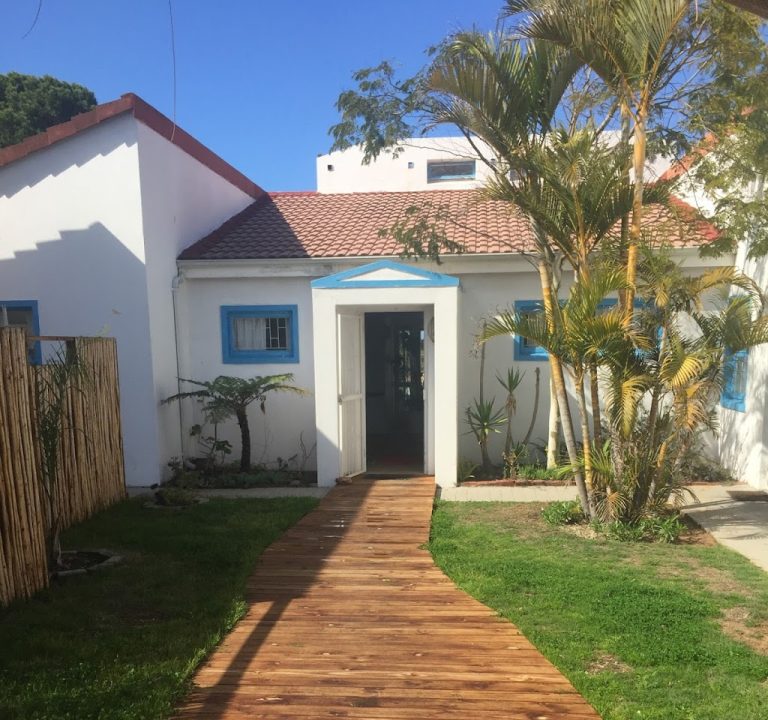
Where to stay can influence how you spend your days. Guesthouses and small boutique properties often provide a personal touch, with hosts who can share local tips, strolls through nearby forests, and easy recommendations for day trips. Family-friendly options may include larger suites, splash pools, or shared communal spaces, while couples or solo travellers might prefer secluded courtyards, verandas or ocean-facing rooms. If you have mobility considerations, check for lift access, ground-floor rooms, or easy routes from parking to rooms and public areas. Many accommodation providers can offer breakfast-inclusive rates, and some may arrange boxed lunches, sunset drinks, or guided nature walks as part of your stay.
When exploring attractions and dining, you’ll find Plettenberg Bay’s offerings broadly appealing without being overdone. Coastal beaches invite safe swimming and long walks; nearby nature reserves identify native fynbos, dune systems and stunning viewpoints. Boat trips, kayaking, and dolphin or whale watching are typical experiences during season, while forest walks and scenic drives showcase the region’s biodiversity. Dining ranges from casual cafés with fresh seafood and light bites to more refined restaurants celebrating local produce. As a visitor, you can enjoy a relaxed rhythm—plan a couple of key experiences each day, with time built in for a restorative afternoon by a pool or on the beach.
Practical tips for a smooth stay:
- Book a cancellation-friendly option and confirm explicit inclusions (breakfast, parking, internet access).
- Pack layers for variable coastal weather and a swimsuit for beach days or hotel pools.
- Bring a reusable water bottle, and use off-peak times for popular viewpoints to avoid crowds.
- Use reputable operators for tours and transport, and verify meeting points in advance.
- Respect local conservation guidelines when visiting natural areas and wildlife habitats.
For planning resources and ideas, visit regional tourism information pages and the official Plettenberg Bay visitor resources. A well-chosen base and a relaxed itinerary let you enjoy the town’s coastline, forests and welcoming eateries while leaving room for spontaneous discoveries. Whether you stay in a cosy guesthouse, a boutique hotel, or a family-friendly lodge, Plettenberg Bay offers a gateway to the Garden Route’s memorable experiences without feeling rushed.