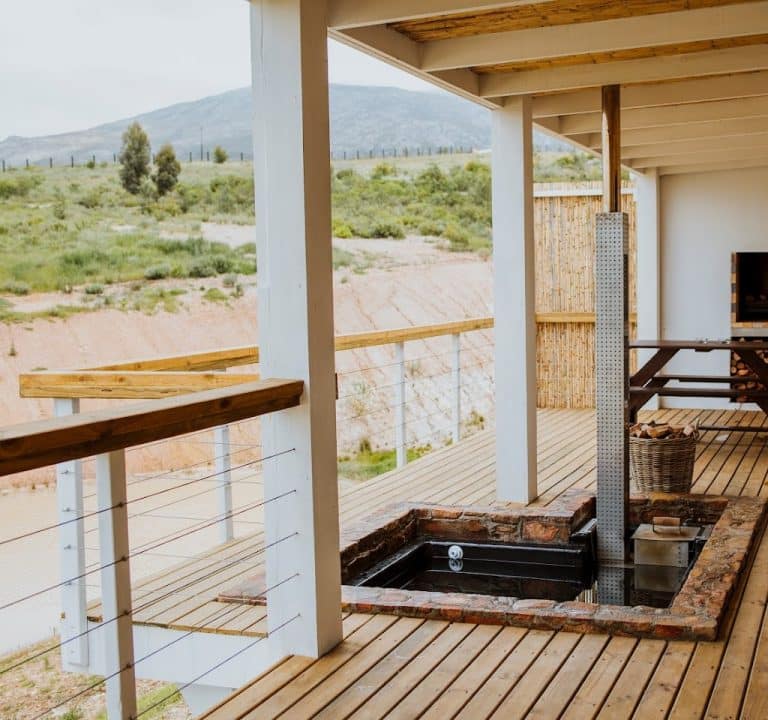
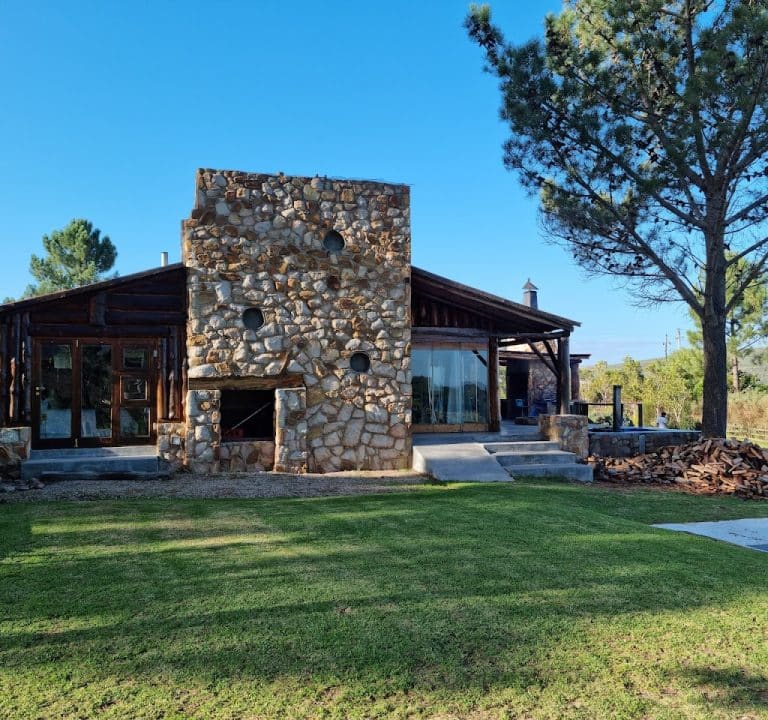
Bot River: A tranquil base for a verandah-studded stay along the Western Cape’s wine-and-watch region
Nestled along the biodiverse shores of the Bot River and within easy reach of the Cape wine routes, Bot River offers a relaxed blend of rural charm and modern comfort. Whether you’re seeking a cosy bed-and-breakfast, a guesthouse with intimate views, a lodge-style retreat, or a self-catering escape, the village and surrounding farms provide a range of accommodation that feels tucked away yet well connected to the wider Western Cape. Planning a stay here means balancing quiet, scenic mornings with easy access to activities, restaurants, and day trips to nearby coastal towns and vistas.
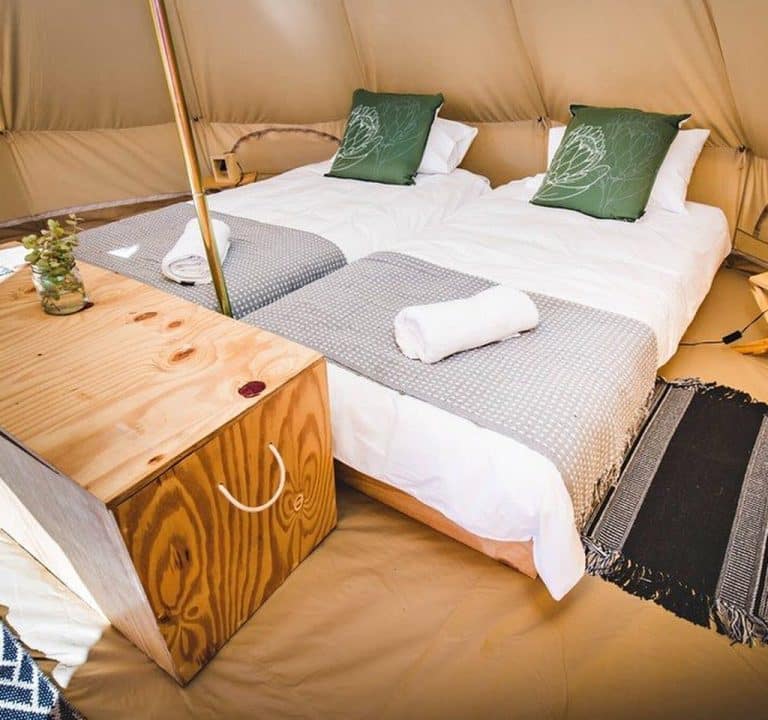
Accommodation in Bot River frequently centres on smaller properties with a personal touch. Expect homely interiors, individual décor, and a warm welcome from hosts who know the area well. In self-catering options you’ll often find well-equipped kitchens, private braai or outdoor eating spaces, and living areas designed for socialising or quiet evenings by the fire. If you’re seeking a more traditional stay, guesthouses and BnBs typically offer inclusive breakfast or a light evening meal, with the added convenience of local recommendations for markets, wine farms, and routes for scenic drives. For travellers seeking a closer-to-nature experience, glamping or farm-stay setups provide a mix of rustic glamour and outdoor authenticity. A notable example in the neighbourhood is Whalecoast Glamping, which specialises in self-catering accommodation and a slower pace of days among water-loving, coastal surroundings.
Areas to consider when selecting where to base your stay include:
- Bot River town itself, convenient for basic services and easy walks along the river and estuary.
- Surrounding farms and vineyards, ideal if you want a quiet countryside ambience with opportunities for wine-tasting itineraries and farm-to-table dining.
- Proximity to coastal towns along the Atlantic seaboard, offering day trips to beaches, nature reserves, and additional dining and shopping options.
When booking, look for a few key features to ensure a comfortable and hassle-free visit. Prioritise properties with clear cancellation policies, verified guest reviews, and transparent details about parking and access times. For self-catering stays, a well-equipped kitchen, reliable hot water, and a good oven or hob make a big difference for longer breaks. In smaller guesthouses or BnBs, note whether breakfast is included, what evening meals (if any) are available, and whether hosts can organise winery visits or guided tours. Lighting, heating, and good wi‑fi are practical considerations if you’re visiting outside peak seasons or planning to work remotely for part of your trip.
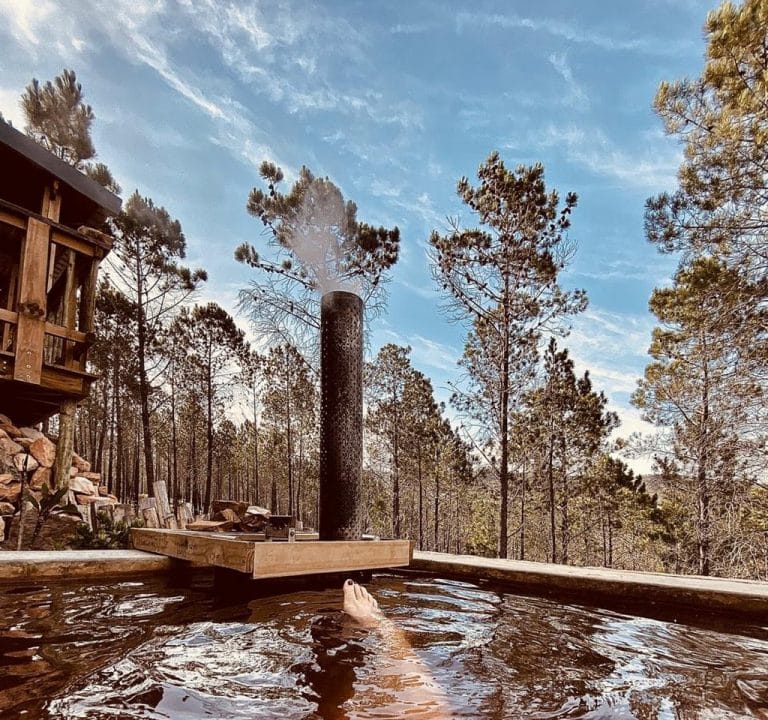
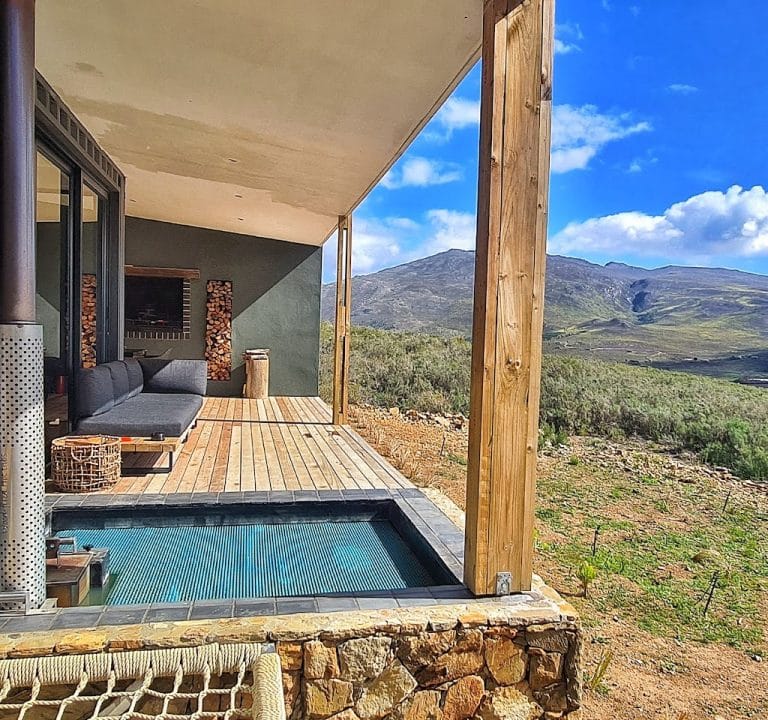
Typical amenities in Bot River accommodation include off-st-street parking, secure access, outdoor spaces for sunlit meals or sunset drinks, and a mix of indoor living spaces and terraces. Many properties offer fireplaces or wood-burning stoves for cooler months, as well as shaded outdoor seating for warm afternoons. For families or groups, look for properties with multiple bedrooms, flexible sleeping arrangements, and safe, enclosed outdoor areas for children or pets (where allowed). If you’re travelling with bicycles or extra gear, ask about bike storage and washing facilities.
Transport-wise, a car is the most practical way to explore Bot River and the surrounding winelands. The area’s roads are generally pleasant to drive, with scenic routes through vineyards and farmlands. If you prefer not to drive, check whether your accommodation offers airport transfers or local shuttle options, and map out a plan for day trips to nearby towns. Public transport in rural parts of the Western Cape can be limited, so pre-arranging transport or coordinating with your hosts is advisable.
The best time to visit Bot River is during spring (September to November) and autumn (March to May) when the weather is mild and the countryside is lush. Harvest time in the surrounding wine farms can add an extra layer of atmosphere for visitors, while the coast offers cooler breezes and migratory birdwatching during certain seasons. If you are keen on whale watching or coastal walks, allot half a day for a detour to nearby beaches and nature reserves, keeping an eye on local advisories and seasonal activity notes.
Practical planning tips:
- Book in advance for weekends and holiday periods, as intimate Bot River properties can fill quickly.
- Request local recommendations for dining, markets, and rescue-orientated activities such as birdwatching or nature trails.
- Confirm kitchen equipment and laundry facilities if you plan a longer stay in self-catering accommodation.
- Ask about dining options nearby if you prefer not to self-cater every night; many properties coordinate with farms or small eateries for seasonal menus.
- Pack versatile clothing: coastal breezes can be cool in the evenings, while daytime temperatures rise on clear days.
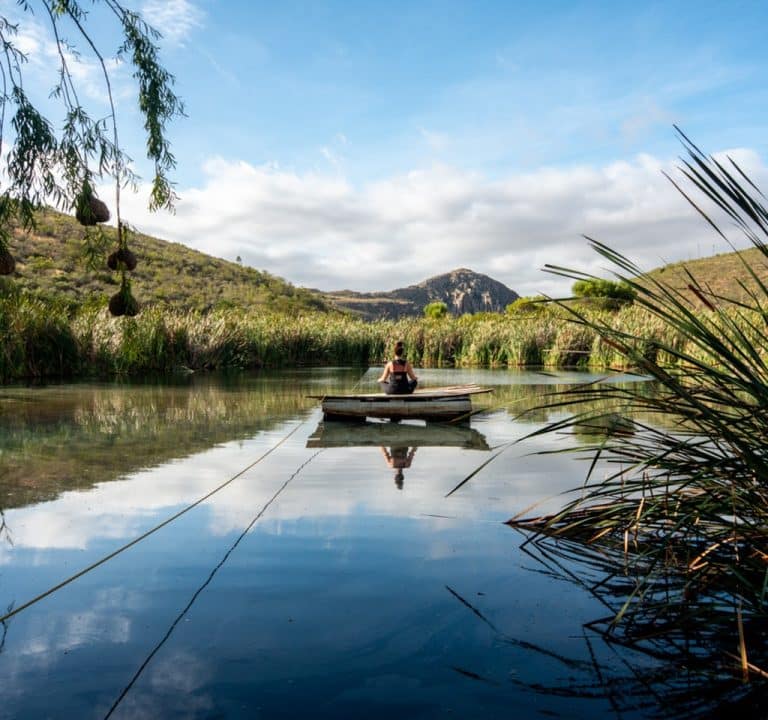
As for attractions and experiences, Bot River offers a gentle rhythm: river estuary walks, vineyard visits on nearby farms, and scenic drives that reveal the Western Cape’s diverse landscapes. While it’s best to consult local listings for current openings, you can expect opportunities for wildlife watching, wine-tasting experiences on nearby estates, and relaxed meals at establishments that celebrate the farm-to-table ethos of the region. In short, Bot River is well suited to travellers who value quiet beauty, personalised hospitality, and a carefully paced itinerary that blends accommodation with accessible, everyday South African charm. For those who wish to explore beyond, the broader Cape winelands and coastal towns are within a short drive, offering further restaurants, galleries, and nature escapes to enrich a stay in this quiet corner of the Western Cape.