Accommodation and Attractions in Dullstroom, Mpumalanga: A Practical Guide for Visitors
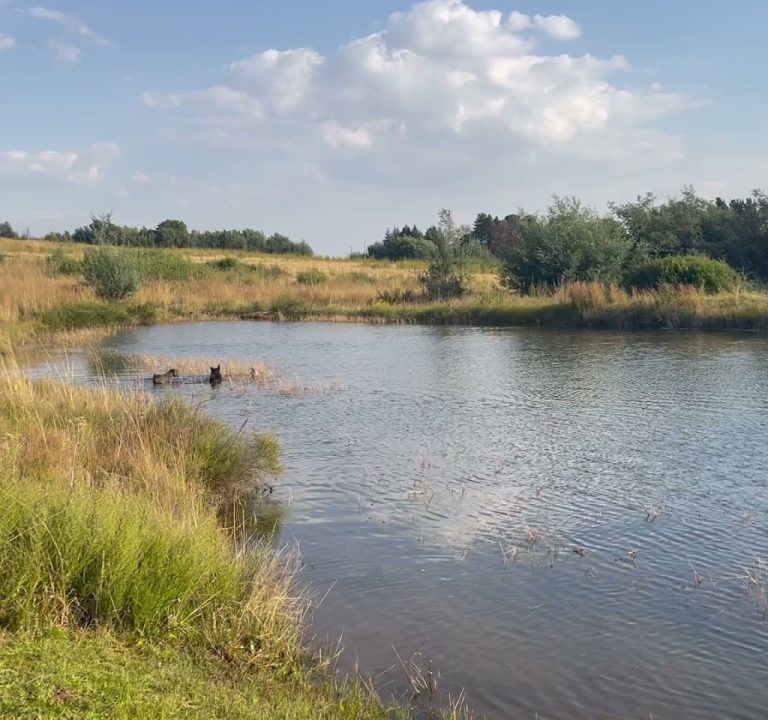
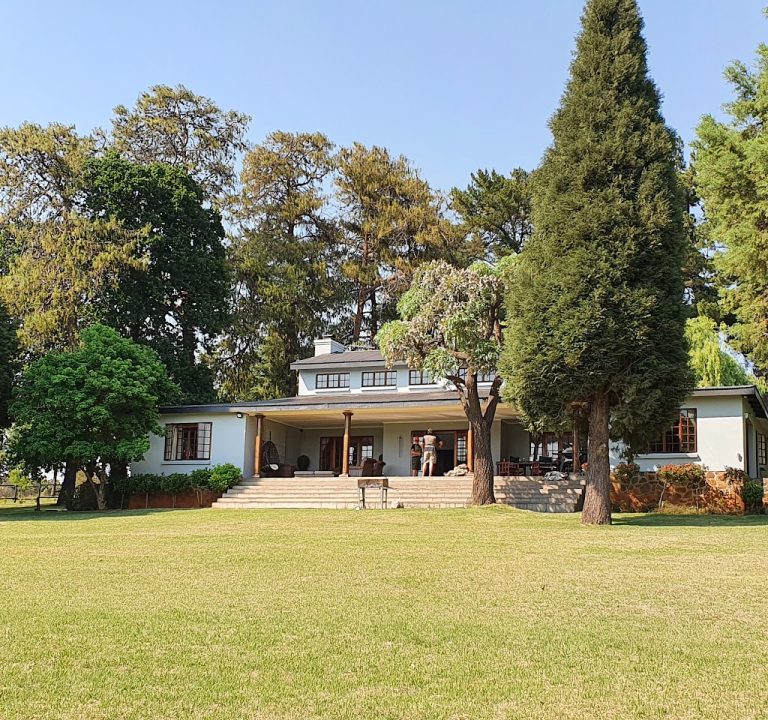
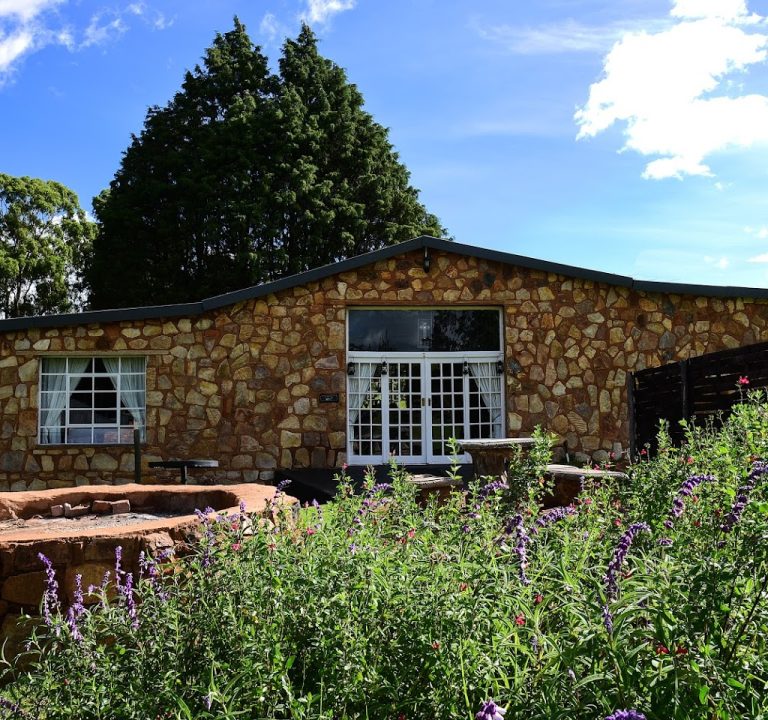
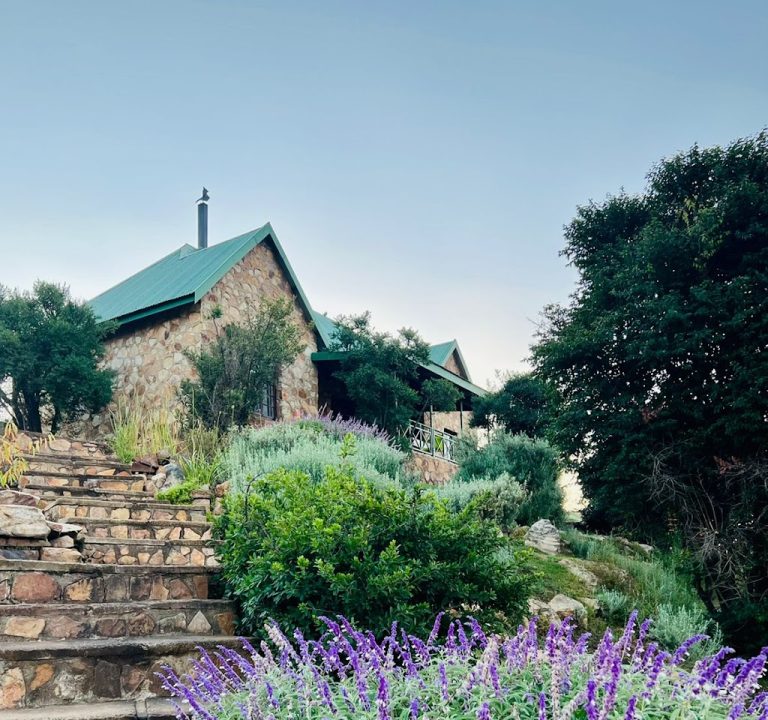
Dullstroom sits high on the Mpumalanga highveld, where evergreen hills, meandering streams and tranquil wetlands create a serene backdrop for a relaxed stay. The village is known for its trout fishing, bird life and charming country atmosphere, making it ideal for couples, families and travellers seeking a slower pace. When planning a visit, it helps to think about where you’ll stay, what you’d like to do each day, and how you’ll get around. Dullstroom has a mix of self‑catering lodges, guesthouses and small boutique hotels, many of which are tucked along quiet streets or set against open countryside. One notable option in the self‑catering category is Wetlands Country Lodge, which offers a practical base for a longer break or a cosy weekend away.
Areas to consider when choosing accommodation include the central village core, where pubs, cafes and small shops create a convenient hub for day trips and evening strolls. If you prefer a more tranquil setting, look for lodges and guesthouses on the outskirts of town or along river routes, where wildlife and birdsong are part of the daily ambience. Self‑catering properties are particularly popular here, as they give guests the flexibility to prepare meals after day trips and long walks, while some venues offer communal facilities such as braai areas, fireside lounges, or outdoor seating with sunset views.
Booking a stay in Dullstroom should balance comfort, accessibility and a sense of place. Typical amenities to expect include well-equipped kitchens or kitchenettes, comfortable living spaces, reliable heating for cooler evenings, and clean, well‑maintained bathrooms. For families, check on the availability of additional bedding or cots and whether the property offers outdoor spaces that are safely fenced. If you’re travelling with a dog or other pets, verify pet‑friendly policies in advance, as not all properties welcome four‑legged guests. For those seeking a little extra indulgence, some boutique stays provide features such as log fires, private verandahs, or spa elements within the property’s grounds.
Transport around Dullstroom is straightforward but plan ahead. The village is best explored by car, which gives you the freedom to visit nearby wetlands, nature reserves and viewpoints at your own pace. If you arrive by public transport, you may need to rely on local arrangements or taxis for airport or town trips. In peak seasons, early bookings are wise, especially for popular weekends or short breaks that align with local outdoor activities.
Best time to visit Dullstroom often depends on your preferred activities. The area’s temperate climate means mild summers and cool, crisp winters, with frosty mornings common in winter. For anglers, the trout fishing season is a highlight, and spring and autumn offer comfortable days for outdoor exploration. Birdwatchers may enjoy the quieter months when species can be more easily spotted in wetlands and along watercourses. If you’re drawn to seasonal landscapes, late spring and autumn deliver changing colours and pleasant conditions for long walks and photography. Summer storms can be dramatic but usually brief, and many visitors relish the chance to sit outdoors as the last light fades over the hills.
When planning activities, a few practical considerations can help you maximise your stay. Consider a mix of nature‑driven days and relaxed evenings in town. Local experiences that suit most visitors include gentle walks through the surrounding countryside, short drives to nearby lakes or wetlands for birdwatching, and visits to craft shops or local eateries that showcase regional produce. For a broader sense of the region, you might arrange a guided day trip to nearby forests or reserves, or join a small‑group excursion focused on wildlife and photography. Many accommodation options in Dullstroom provide helpful materials or can arrange recommendations for activities, including walks, self‑guided trails, and menu choices at nearby restaurants.
What to look for when you book:
- Location relative to the activities you plan (fishing spots, wetlands, Nature Reserves, village amenities).
- Comfort and cleanliness, with reliable heating or cooling depending on the season.
- Well‑equipped kitchens or kitchenettes, especially for longer stays or self‑catering options.
- Outdoor space and privacy, particularly if you value quiet evenings or alfresco dining.
- Policies on pets, children, and capacity (number of bedrooms, beds, and bathrooms).
- Accessibility and parking arrangements, particularly if you are travelling with a vehicle.
Dining in Dullstroom often revolves around cosy country pubs, cafés and eateries that emphasise hearty, home‑style fare. Many visitors enjoy combining a relaxed meal with a sunset view over the surrounding countryside. If you prefer evenings in, your self‑catering base can pair nicely with local deli buys or a simple meal prepared on a braai or in a well‑equipped kitchen. When planning to dine out, it’s worth noting that some venues may have varying opening hours or seasonal menus, so a quick check closer to your dates can help avoid disappointment.
In short, a stay in Dullstroom offers a combination of nature, comfort and easygoing country charm. By choosing the right base—whether a central, village‑side stay or a more secluded self‑catering option—you can tailor your trip to suit fishing days, birding, hiking, or simply restful afternoons by a fireplace. With thoughtful planning around location, amenities and seasonal activities, your Dullstroom visit can be both restorative and richly satisfying.