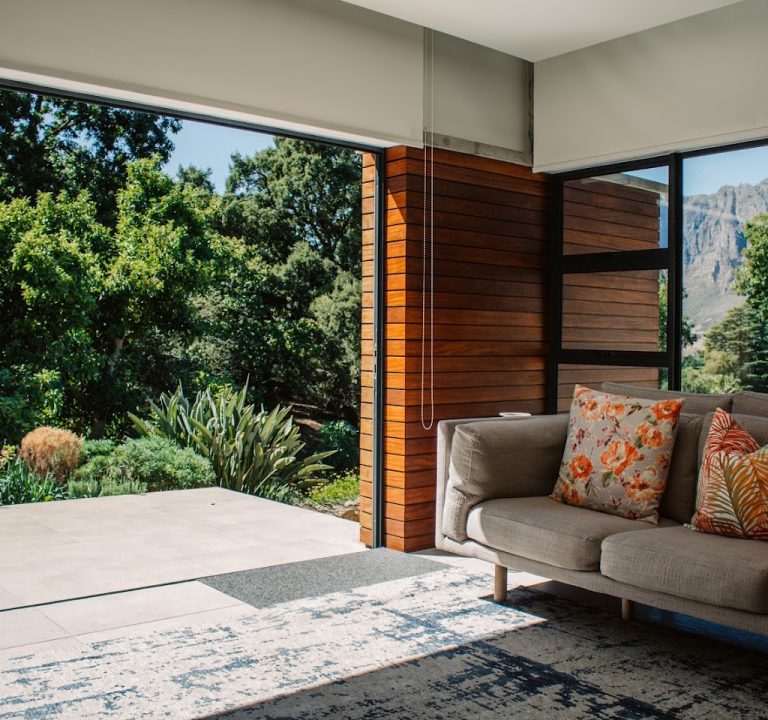
Wechmarshof is a Guest house establishment in Cape Town, Western Cape, South Africa
About Wechmarshof: a nature-ready retreat in the Banhoek Valley, Stellenbosch
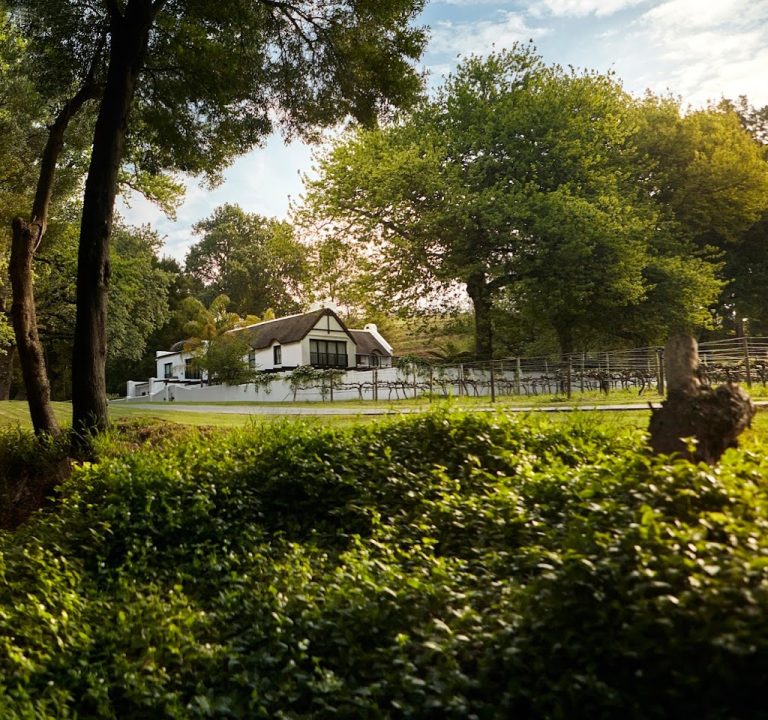
Wechmarshof occupies a peaceful foothold in the Banhoek Valley, at the edge of the Simonsberg Mountain range, just a short drive from Stellenbosch and within reach of Cape Town’s stunning Western Cape scenery. The property is deliberately designed to feel one with nature, offering visitors a sanctuary where indigenous flora, abundant birdlife and easy access to the winelands combine for a restorative escape. The landscape is marked by protea, fynbos and fruit trees, while wildlife including Springboks, Steenboks, porcupines and various small mammals add to the sense of being in a gently wild, private corner of the Cape.
Set among mature trees and carefully tended gardens, Wechmarshof provides a backdrop that is equally suited to quiet contemplation as to socialising and exploring. The atmosphere emphasises a slow pace and a close connection to the natural surroundings, making it a natural choice for travellers seeking a serene base from which to discover Stellenbosch, its vineyards, and the surrounding countryside.
The story of Wechmarshof is rooted in history and renewal. Originating near a farm known as Zorgvliet, the estate’s evolution over the years has culminated in a refreshed infrastructure that supports modern guest experiences while preserving the site’s horticultural heritage. Through thoughtful landscaping and sustainable design, the property invites guests to enjoy the outdoors as an integral part of their stay, whether reclining on a patio with a panoramic view or gathering around a fireplace as twilight descends over the valley.
The accommodation at Wechmarshof centres on two distinctive retreats, each with its own character and practical luxury. House Balderjan and House Num Num are styled to celebrate the sense of place—one offering lush, expansive living spaces with commanding mountain views, and the other providing an equally inviting configuration designed for group or family stays. Both properties feature well-equipped kitchens, generous living areas, and an emphasis on indoor–outdoor living that encourages guests to relish the scenery from every vantage point.
House Balderjan emphasises comfort and connectivity, with en-suite bedrooms, underfloor heating, central air conditioning and double-glazed windows to keep the rooms snug in cooler months. The kitchen is designed for sociable living, complete with a modern SMEG stove, large fridge-freezer, dishwasher and a Nespresso machine. The interiors boast a spacious lounge with smart TV and a built-in music system, while a second lounge opens onto a patio. Outdoors, a gas braai and an outdoor fireplace invite gatherings beneath the stars, all complemented by a breath-taking view over the valley.
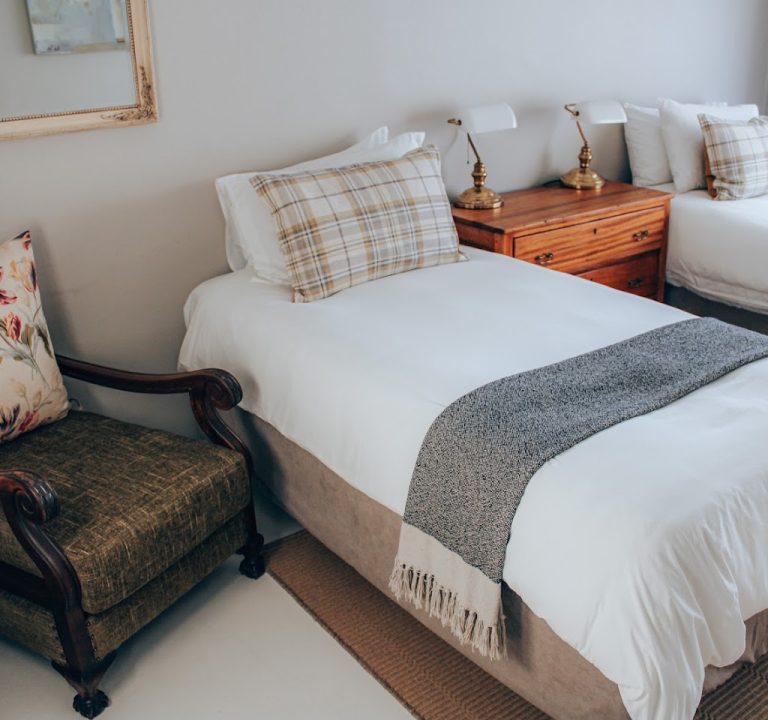
House Num Num presents a similarly generous layout, with a main bedroom featuring a king-size bed and an additional bedroom with two three-quarter beds. The en-suite and second bathroom provide practical privacy, and the living spaces—open-plan and connected to the garden—are designed for easy, everyday luxury. The kitchen, like Balderjan’s, is well appointed for self-catering, and the property offers multiple dining and lounge areas for relaxed entertaining or peaceful alone time, all underpinned by scenic mountain and nature views.
For guests seeking relaxation beyond the villas, Wechmarshof extends wellness options that align with the tranquil ethos of the property. A dedicated wellness page outlines a range of massage and spa treatments, including options for individual and couples sessions, as well as add-on treatments. The emphasis is on comfort and bespoke care, with thoughtful touches such as an electric blanket for winter warmth and careful guidance on booking in advance to ensure availability.
Location-wise, the estate positions visitors at the heart of Stellenbosch’s renowned wine region. The Banhoek valley is celebrated for its picturesque landscapes and proximity to top wine estates and fine dining. The surrounding area also features craft markets, art and sculpture, and a wealth of countryside activities. Within easy reach are wine tours, cycling routes, and opportunities to explore the Dylan Lewis Sculpture Garden, which offers a serene, nature-forward setting for a contemplative day trip. For those who prefer a more active itinerary, bike tours and private aerial tours are listed as nearby experiences, presenting a choice between wind-swept vineyard vistas and coastal panoramas.
Wechmarshof is well suited to couples, families and friends seeking an intimate, nature-inspired stay with the comforts of modern living. The two principal accommodation options provide flexibility for different group sizes, while the on-site gardens and wildlife create a continually evolving outdoor backdrop that enhances every visit. The property also acts as a gateway to Stellenbosch’s broader cultural and culinary scene, from historic oak-lined streets to world-class restaurants and markets, all within a region famed for its wine routes and scenic drives.
Travel tips for prospective guests include planning ahead for popular local activities and considering a stay that blends wine-tasting with nature walks and garden exploration. Given the range of experiences available—from in-house dining arrangements and private catering to guided tours and wellness services—the stay can be tailored to an itinerary that balances relaxation with exploration. More information and booking options are accessible via the official site, with reservations supported through partner booking platforms.
- Nestled in Banhoek Valley at the foot of Joubert’s Piek, within easy reach of Stellenbosch and Cape Town.
- Two well-appointed houses—Balderjan and Num Num—with en-suite facilities, fully equipped kitchens, and multiple living spaces.
- On-site wellness options, including a range of massage and spa treatments (booking in advance recommended).
- Close to renowned wine estates, nature reserves, and cultural attractions such as the Dylan Lewis Sculpture Garden.
- Ideal for travellers seeking a nature-forward retreat with the ease of self-catering options and scenic outdoor living.
Cape Town
Western Cape
7612
South Africa

Accommodation and Experiences in Cape Town and the Western Cape: Planning Your Stay
A stay in the Western Cape offers a rich blend of vineyard-rich valleys, mountain scenery and coastal splendour. For visitors seeking a relaxed, nature‑inspired base, guest houses and boutique lodges provide a welcoming home from home, often tucked away in historic towns or rolling countryside just a short journey from Cape Town’s iconic sights. One example is a charming guest house nestled in the Banhoek valley, at the foot of a regional mountain range, which combines comfortable accommodation with easy access to the Stellenbosch wine route and local dining delights. Such keepsakes of the region make excellent bases for exploring both city and countryside without long daily commutes.
When planning where to stay, consider the following ideas to maximise your visit. First, pick your area according to your priorities. If you want city energy and a gateway to Robben Island, the Atlantic Seaboard or the V&A Waterfront may suit you best. For wine estates, dramatic scenery and farm-to-table dining, the Stellenbosch, Franschhoek and Paarl corridors within the Winelands are hard to beat. If you prefer a quieter rural atmosphere close to the mountains and nature reserves, a guest house in Banhoek, Jonkershoek or Botkier’s surrounds can offer tranquil stays with panoramic views and direct access to trails.
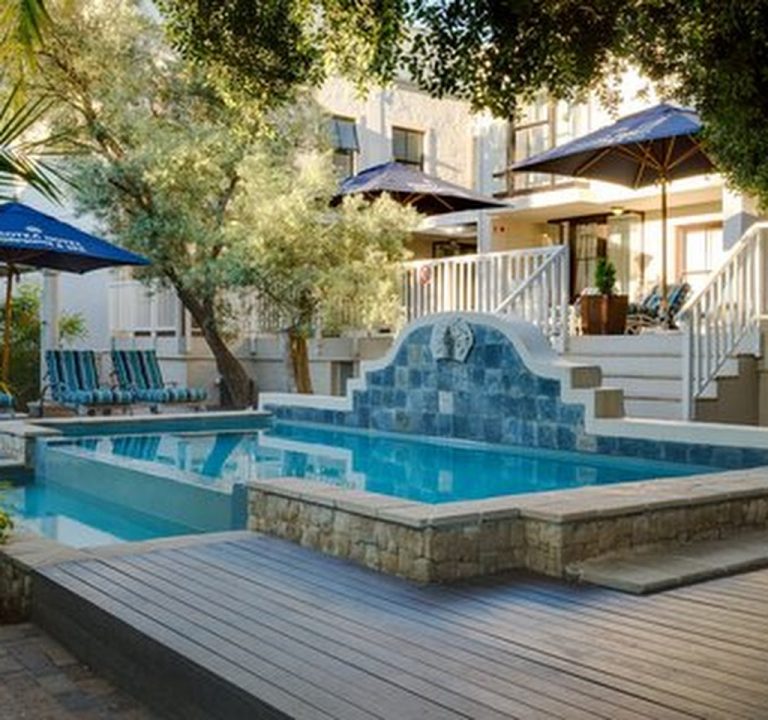
Typical amenities to look for in well‑established guest houses and boutique hotels include en‑suite bathrooms, reliable wifi, heating or air conditioning, and comfortable lounges or outdoor spaces where you can unwind after a day of exploring. Many properties in the region also offer fully equipped kitchens or kitchenettes, private verandas or patios, and shaded outdoor seating areas to take in sunrise or sunset. Communal spaces such as a shared dining room or a lounge with a fireplace can add to the sense of a home away from home, especially on cooler evenings.
Transport and getting around are essential considerations. If you plan to explore multiple towns or make day trips to wine farms, a car is typically the most convenient option, with ample parking at many guest houses and hotels. For those who prefer not to drive, look for properties that can assist with shuttle services, guided tours or partner with reputable tour operators. In some areas, local attractions cluster around towns, so staying within walking distance to cafés, markets and galleries can be a real win for those wanting to enjoy a relaxed itinerary.
The best time to visit the Western Cape depends on what you want to experience. Spring (September to November) brings wildflowers and vibrant greenery, while summer (December to February) offers long days, coastal breezes and excellent conditions for outdoor activities. Autumn (March to May) brings mellower light and harvest festivals, and winter (June to August) can be a charming time for wine tastings and cosy evenings by a fire, especially in hillside or valley lodgings where terraces overlook vineyards and mountains.
Activities to plan around your stay are abundant. In the Winelands, expect scenic drives between estates, cellar tastings, and chef‑led dining experiences that celebrate regional produce. For nature lovers, easy access to hiking and biking trails in the surrounding peaks and valleys is a highlight, with opportunities to spot local wildlife and endemic flora. Cultural and historic experiences abound in nearby towns, from galleries and craft markets to architectural tours and museums that trace the region’s diverse heritage. For families and couples alike, short trips to the coast offer dramatic viewpoints, penguin colonies at certain beaches, and chance encounters with marine life along the shoreline.
Practical tips to help you book with confidence:
- Book with a property that clearly lists rooms, en‑suite facilities, and kitchen or dining options to match your needs.
- Check access to outdoor spaces, parking, and whether the property suits your preferred pace—quiet valley mornings or lively town-centre evenings.
- Review the cancellation policy and any seasonal adjustments, especially if you are travelling during peak periods or school holidays.
- Confirm what is included in the rate—breakfast, housekeeping, or access to spa and wellness facilities can add significant value to your stay.
- Explore a balance between city experiences and rural tranquillity by planning a two‑part itinerary: several nights near the coast or in Cape Town followed by a few nights in a Winelands setting such as Banhoek, Stellenbosch or nearby towns.
As you plan your days, consider combining visits to natural landmarks with relaxed, wine‑driven afternoons. While the specifics of individual attractions or restaurants can vary, the Western Cape is renowned for its scenic viewpoints, world‑class farming and culinary landscapes, diverse markets, and artful gastronomy. A well‑chosen base—whether a hillside guest house with sweeping views or a cosy lodge tucked into a quiet valley—can frame your travel as a gentle progression from exploration to deep relaxation.
For an example of a thoughtfully positioned guest house in the Banhoek valley, you can visit the property’s page for more details and booking options. It offers an insight into the layout of accommodation, the emphasis on nature and landscape, and how to plan stays that combine comfort with access to nearby wine estates, restaurants and nature walks. Discover more at https://wechmarshof.co.za/ and use their site to explore dates, rooms and on‑site amenities that suit your itinerary.
Sorry, no records were found. Please adjust your search criteria and try again.
Sorry, unable to load the Maps API.
Why Claim Your Listing?
Claiming your listing on the B&B Finder directory website is a valuable opportunity for business owners. Here are five reasons why you should consider claiming your listings:
Control Over Business Information: By claiming their listing, business owners can ensure that all the information presented is accurate and up-to-date. This includes details such as contact information, address, pricing, and available services or amenities. Accurate information helps prevent customer confusion and improves overall satisfaction.
Enhance the Listing: Once a listing is claimed, owners can enhance it by adding more comprehensive information and rich media, like high-quality photos and videos. These additions can make the listing more attractive and engaging to potential customers, thereby increasing the likelihood of bookings.
Marketing Opportunities: Claiming a listing can also open up additional marketing opportunities. Owners may be able to participate in promotional campaigns, special offers, and other marketing activities organized by the directory. This can increase visibility and attract more customers to the business.