Accommodation in Pretoria: where to stay, what to look for, and how to plan your visit
Prestigious, leafy suburbs and buzzing urban precincts make Pretoria a versatile base for travellers exploring Gauteng. When planning a stay, consider the character of each neighbourhood, how you’ll move around, and what pace you want from your trip. From quiet guesthouses to modern hotels, the city offers a range of options to suit different styles and budgets.
Begin with the areas that best match your plans. Hatfield and the Groenkloof/Sunnyside corridor tend to be convenient for university campuses, museums, and lively dining scenes, with easy access to public transport and central sights. Arcadia and the east of the city offer classic, tree-lined streets and boutique stays, often with easy driving routes to the National Zoo or the Union Buildings. For those seeking a more tranquil stay, Waterkloof and Waterkloof Glen provide leafy residential ambience, higher-end options, and privacy, while Menlyn and Zone 1 precincts typically host contemporary hotels with modern amenities and shopping nearby. If convenience to business districts or conference venues is a priority, consider lodges and hotels around major roads or near transit hubs in the northern parts of Pretoria.
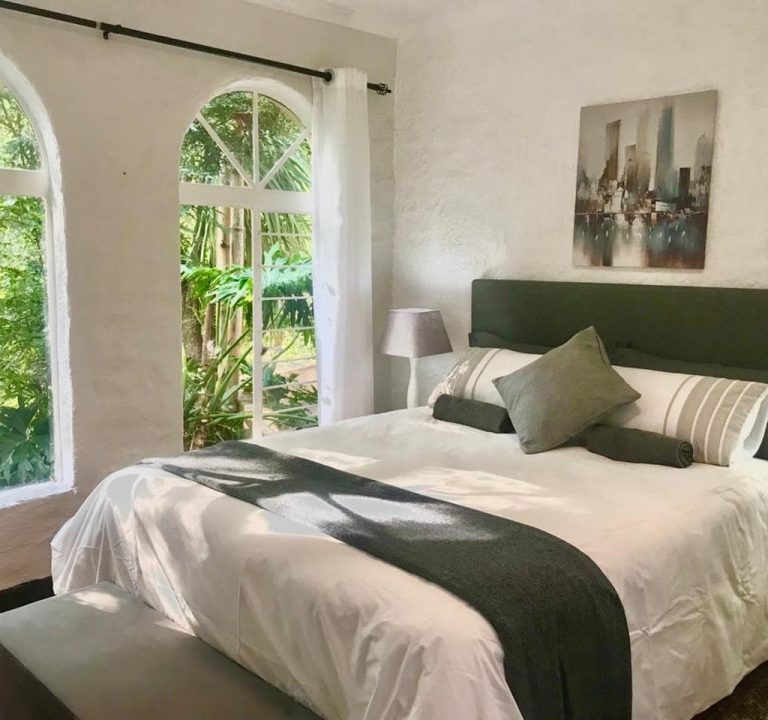
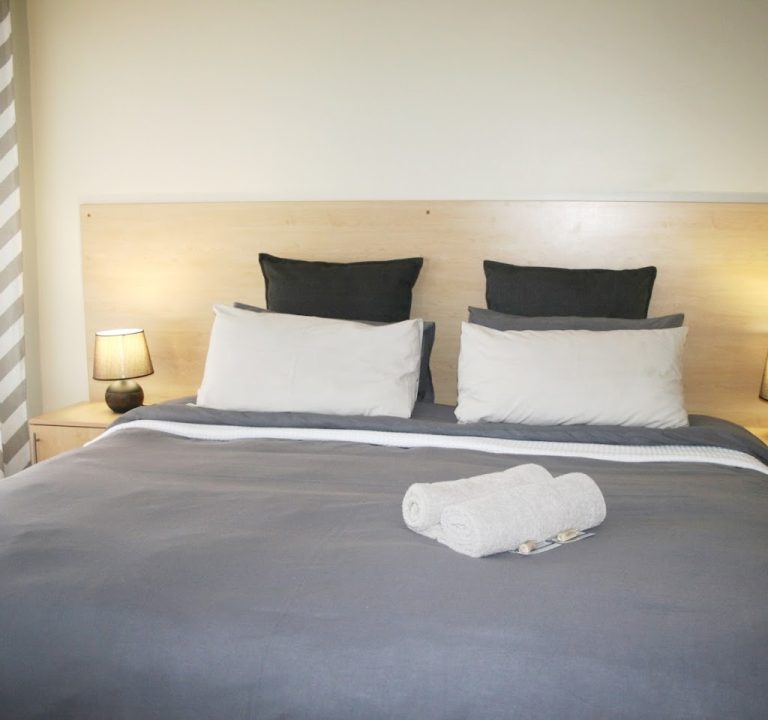
When you book, look for a few practical features that will shape your comfort. An en-suite bathroom is standard in most mid-range and higher-tier properties, but guests often value a dedicated lounge or dining area, in-room Wi‑Fi, and sufficient USB or power outlets for devices. A reliable breakfast service—whether continental, cooked, or self-serve—can set a positive tone for day trips, while on-site parking is particularly important if you’re exploring by car. If you plan longer stays or a more “home-from-home” experience, consider guesthouses or self-catering units that provide kitchen facilities or a kitchenette. For those seeking leisure, a pool, outdoor spaces, and secure access can greatly enhance relaxation after a day of sightseeing.
Typical amenities you might encounter include air conditioning or ceiling fans (important for Pretoria’s warm days), 24-hour reception or on-site staff, bar or lounge areas, and daily housekeeping. In many guesthouses and boutique hotels, hosts or managers pride themselves on personalised service, insider tips on local attractions, and recommendations for safe, pleasant dining options nearby. For families, child-friendly spaces, larger suites, or apartment-style rooms may be preferable. Consider proximity to Gautrain stations or major road arteries if you plan to venture beyond the city centre; ease of access to public transport can significantly cut travel time and stress.
Transport in Pretoria is straightforward but varies by district. A car is often the most convenient way to explore, particularly if you plan day trips to nearby wildlife reserves or the Magaliesberg region. If you prefer rail links, the Gautrain network provides a fast option to connect with neighbouring Gauteng towns and Johannesburg. Within the city, rideshare services and taxis are commonly available, and several accommodation options can assist with arranging airport transfers or local transfers. When selecting a place, confirm whether the guesthouse or hotel offers shuttle services or can advise on safe, reliable transport links for evenings out.
The best time to visit Pretoria depends on your touring priorities. Spring (September to November) and autumn (March to May) offer comfortable temperatures for outdoor experiences, botanical displays, and city strolls. Summers can be hot and rainy, with occasional thunderstorms, while winters are mild but cool in the mornings and evenings. If you’re keen on fine dining or boutique shopping, align your stay with local events or markets advertised by the property or regional tourism bodies. Always check local calendars for festivals or exhibitions that might affect traffic or permit special access to certain venues.
When planning your itinerary, combine a few core experiences with time for spontaneous discoveries. Cultural and historical highlights, such as government precincts, museums, and galleries, sit well alongside modern leisure districts with coffee roasteries, bakeries, and casual eateries. In terms of dining, Pretoria’s restaurant scene ranges from traditional South African flavours to contemporary fusion and international concepts; many venues pride themselves on seasonal ingredients and friendly service rather than ostentatious décor. Booking ahead is prudent during peak travel periods, but in quieter months you may enjoy a more relaxed pace and longer table availability.
Practical tips to ensure a smooth stay:
- Book in advance, especially for popular neighbourhoods and high seasons, and confirm parking arrangements or shuttle options.
- Read guest reviews for real-world notes on noise levels, security, and proximity to attractions.
- Ask your host or concierge for a tailored plan—local knowledge can help you dodge peak traffic or long queues.
- Pack adaptable clothing for seasonal variation and bring a light jacket for cool evenings, even in warmer months.
- Respect house rules and local safety guidelines, particularly when exploring nightlife or late-evening dining options.
For inspiration and practical planning, national and city tourism sites offer curated itineraries, neighbourhood guides, and transport tips. You’ll find information on major sights, safe routes, and dining recommendations to help you assemble a balanced and enjoyable Pretoria stay. Websites of local accommodation providers often host destination guides as well, offering insider tips on the best routes, walkable areas, and notable experiences close to your chosen base.