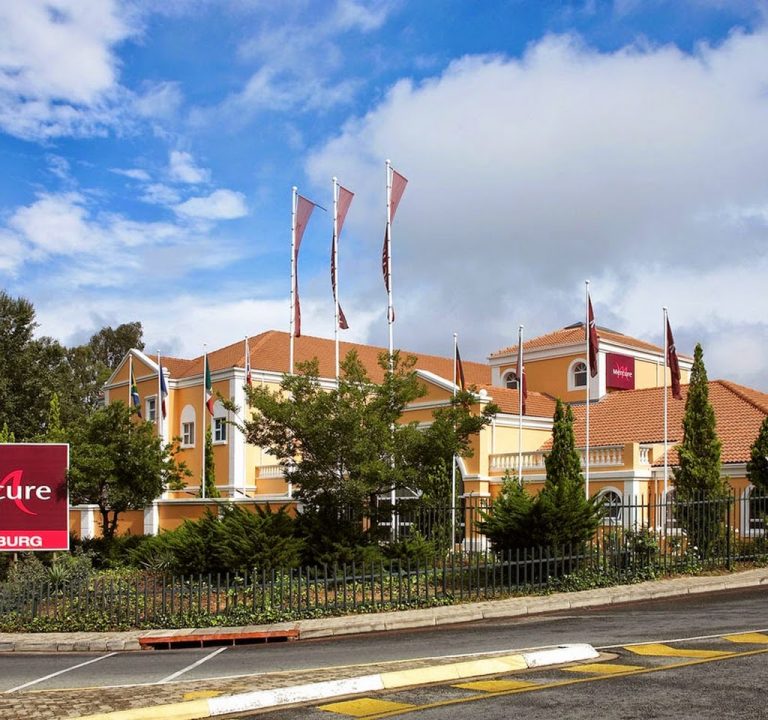
Johannesburg: Where to stay and what to do in Gauteng
Johannesburg, often termed the City of Gold, offers a vibrant mix of accommodation options, from intimate guest houses to contemporary hotels and boutique apartments. When planning a stay, consider the area you want to base yourself in, how you prefer to get around, and what experiences you want to prioritise. Whether you are seeking a stylish bed in a leafy suburb, a robustly artsy stay in the city centre, or a family-friendly guesthouse near parks and museums, Johannesburg can tailor itself to your itinerary.
Areas to consider for accommodation:
- Rising hub for business and culture: the city centre and nearby neighbourhoods offer easy access to theatres, galleries and historical sites, with a range of boutique stays and guest houses that preserve a warm, personal welcome.
- Local flavour and ease of access: suburbs such as Rosebank, Melville, and Braamfontein provide a mix of guest houses, lodges, and mid-range hotels close to cafés, markets and nightlife, while still being convenient for day trips.
- Upscale shopping and corporate vibes: Sandton is known for modern hotels and serviced apartments, with straightforward transport links to other parts of Gauteng.
- Family-friendly and scenic: areas around parks and green spaces can offer comfortable guest houses with quiet streets and easy parking, ideal for those travelling with children.
What to look for when booking a stay:
- Location and transport links: check proximity to main sights you plan to visit, plus access to rail, bus or reliable ride-hailing options.
- Amenities that suit you: reliable Wi‑Fi, secure parking, self-catering facilities, and a comfortable workspace can make a stay more convenient.
- Security and neighbourhood vibe: read recent guest reviews to gauge safety, quietness at night, and the character of the area.
- Flexibility and policies: look for clear cancellation policies and whether breakfast or other meals are included.
- Character and hospitality: many guest houses and boutique stays offer personalised service, with hosts who can share local tips and routes.
Typical amenities you might encounter:
- Breakfast options ranging from hearty continental to home-cooked favourites
- En-suite rooms with air conditioning or ceiling fans, depending on the season
- Secure parking or easy street access, important for those who hire a car
- Common lounges or cosy communal spaces to meet other travellers
- In-room amenities such as coffee and tea facilities, blackout curtains, and good lighting for work or reading
Transport tips for Johannesburg visitors:
- Car hire provides the most flexibility to explore beyond the city centre, but use secure parking and be mindful of traffic patterns.
- Ridesharing apps are widely used and convenient for evening plans or short hops between neighbourhoods.
- Public transport options, though useful in some corridors, may require planning for longer day trips; check current routes and schedules in advance.
Planning your itinerary around attractions and experiences:
Johannesburg offers a spectrum of experiences without needing to traverse far from central visitor hubs. Cultural museums and galleries provide insightful glimpses into South Africa’s history and contemporary life. Markets, street art in urban districts, and design districts are ideal for leisurely daytime exploration, while nearby towns and nature reserves offer scenic day trips within easy reach.
Where to stay for a balanced experience:
For a sense of local character, guest houses and small boutique hotels in central or inner-city neighbourhoods can offer warm hospitality and convenient access to galleries, eateries and markets. If you prefer a more tranquil base with easy access to parks or shopping, suburban guest houses in well-connected corridors can be ideal. For those seeking modern convenience and shopping opportunities, handy stays in upmarket areas can provide a polished base with straightforward transport links to other parts of Gauteng.
Practical tips for a smooth Johannesburg visit:
- Plan day trips with a rough route in mind and leave time for adjusting plans based on weather or local events.
- Pack layers for the city’s variable climate, including cool evenings even in warmer months.
- Ensure you have a secure place to store valuables and use trusted transport options, especially after dark.
- Check ahead for any nearby redevelopment or traffic changes that might affect access to your accommodation.
- Consult your host or reception for local dining recommendations and less touristy neighbourhoods worth a stroll.
Seasonal considerations and best time to visit: Johannesburg enjoys a temperate climate with warm summers and cooler winters. The dry winter season can be particularly pleasant for outdoor activities and sightseeing, while the summer months bring lush landscapes and occasional afternoon thunderstorms. When planning, consider major events in the city that might affect availability and pricing for accommodation, and book well in advance if you’re visiting during peak periods.
Finally, a sample stay such as Water Front House — a guest house setting that offers a welcoming base within the city — can illustrate how a stay blends comfort with a readiness to explore. For more information on Johannesburg’s visitor attractions and practical travel planning, consult official tourism resources or the accommodation provider’s website.