Phalaborwa: Where to stay and what to do in Limpopo’s gateway to Kruger
Phalaborwa, in Limpopo, sits just a stone’s throw from the Kruger National Park and makes an ideal base for visitors seeking wildlife encounters, easy access to nature trails, and a relaxed southern African town atmosphere. When planning a stay, think about what you want most from your trip: whether it’s close proximity to game drives, easy access to services and eateries, or a tranquil retreat after full days of exploring. The town offers a mix of lodges, guesthouses, self-catering cottages and boutique stays, each with its own character and conveniences.
Areas to consider include the town centre, which keeps you within easy reach of shops, supermarkets and casual dining, and the safari or lodge belts a short drive away that offer larger grounds, wildlife-sounding mornings, and more self-contained amenities. If you are chasing a very wildlife-focused itinerary, a stay closer to the Phalaborwa Gate or other wildlife corridors can reduce daily travel time. For families or guests seeking a quiet escape, guesthouses and lodges on landscaped grounds with outdoor spaces and pool areas provide a restful base after day trips.
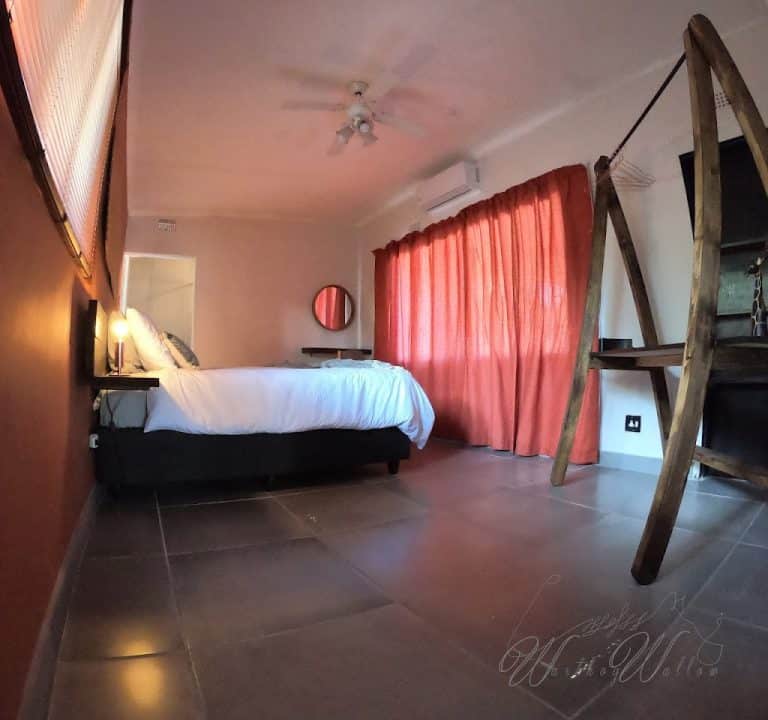
Typical amenities to look for when booking include air conditioning or good ceiling fans for the hot Limpopo days, reliable power options (including backup generators or photovoltaic systems where possible), in-room safes for valuables, and secure parking. Self-catering facilities, such as kitchenettes or braai areas, are valuable for guests who favour flexibility after long days out. Many lodges and guesthouses in Phalaborwa offer optional guided game drives, breakfast or dinner options, and free Wi‑Fi; confirming these in advance helps you align your plans with your itinerary.
Transport is a practical consideration. If you plan to self-drive, ensure parking is secure and the property is easy to reach from the N1 highway or local roads. For those relying on transfers, check whether your accommodation can assist with airport or drive-times to Kruger’s entrances, as well as local car hire options. Some properties are perfectly placed for easy day trips to the Kruger National Park’s gates, while others provide more expansive grounds for peaceful mornings with birdsong and coffee on the veranda.
The best time to visit Phalaborwa depends on what you want from your trip. The dry season (roughly May to September) tends to offer excellent wildlife visibility and pleasant day temperatures, though evenings can be cool. The shoulder months are ideal for fewer crowds and spring mornings that feel energetic and fresh. The wet season brings lush scenery and vibrant birdlife, but keep in mind the potential for afternoon showers. Pack according to the season, with light clothes for daytime heat and a warm layer for cooler evenings. Staying flexible can help you enjoy both morning game drives and late-afternoon safaris when animals are most active.
Dining and experiences around Phalaborwa vary from laid-back bistros to more refined eateries that showcase local flavours. Even if you’re staying in a self-contained lodge, you’ll likely find opportunities to join a guided walk, a nature drive, or a heartier braai (barbecue) evening on-site or at nearby establishments. For restaurant outings, planning a couple of relaxed evenings can let you sample regional ingredients in uncomplicated settings, leaving days free for wildlife and nature-based activities.
Practical tips to help you plan your stay:
- Book with flexibility where possible. Wildlife schedules and weather can affect daily plans, so a cancellable or reschedulable booking is advantageous.
- Ask about inclusions. Some lodges include breakfast, guided drives, or airport transfers, which can simplify logistics and budgeting.
- Consider walkability and accessibility. If you prefer to avoid long drives after a day of exploring, look for accommodation near the town centre or with easy access to gate checkpoints.
- Check for on-site safety and security features. Secure parking, night-time lighting, and well-lit walkways add peace of mind after sunset.
- Balance downtime with activities. A mix of early morning game drives, afternoon siestas, and evening dining can help you make the most of Phalaborwa’s pace.
- Pack wisely. Sunscreen, a wide-brimmed hat, neutral-coloured clothing for wildlife viewing, and a lightweight rain layer can be useful year-round.
- Plan for transit to Kruger gates. While many guests stay near the town, ensuring you understand gate opening times and driving distances helps you avoid rushed starts and maximise wildlife viewing.
As you look to book, consider a stay that combines comfort with access to nature. A property such as a well-appointed lodge or family-friendly guesthouse—offering thoughtful touches like shaded outdoor spaces, a swimming pool, and guided excursion options—can provide a balanced base for your Phalaborwa adventure. For further planning resources, consider visiting broader regional tourism pages or official park sites that offer guidance on parks, gates and safety tips. For more about Phalaborwa or similar lodgings, you can explore general travel information online to tailor your itinerary, or browse specific accommodation pages that align with your preferred dates and budget.
And if you are curious about staying in intimate, traveller-friendly settings, there are lodges and guesthouses in Phalaborwa that emphasise personal service, quiet comfort, and easy access to wildlife-rich landscapes. One example is a lodge-style accommodation known for its laid-back atmosphere and proximity to nature trails, commonly presented as an excellent base for exploring the surrounding area and the Kruger National Park. Whichever option you choose, Phalaborwa offers a practical blend of convenience, comfort, and access to the region’s natural wonders. For additional inspiration and practical planning, see potential stays and regional guides at reputable local tourism portals.
Further information and activity ideas can be found on official and regional tourism resources: https://www.sanparks.org