Port Shepstone: accommodation planning, local attractions and dining on the KwaZulu-Natal coast
Port Shepstone sits along the southern KwaZulu-Natal coastline, offering a laid‑back base for exploring the Mid-South Coast. When planning a stay, consider the areas that suit your pace and interests. The town itself provides convenient access to shops, beaches and the Mzimkulu River, while nearby beaches and rural hinterland offer quieter days and scenic drives. Self‑catering options, guesthouses and small hotels are common in and around Port Shepstone, with a range of prices and layouts to suit families, couples and solo travellers.
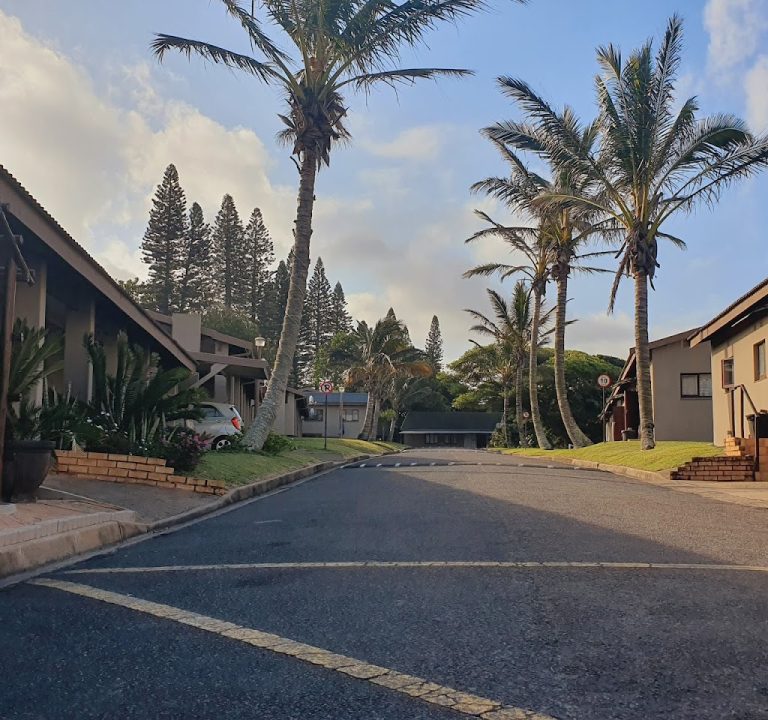
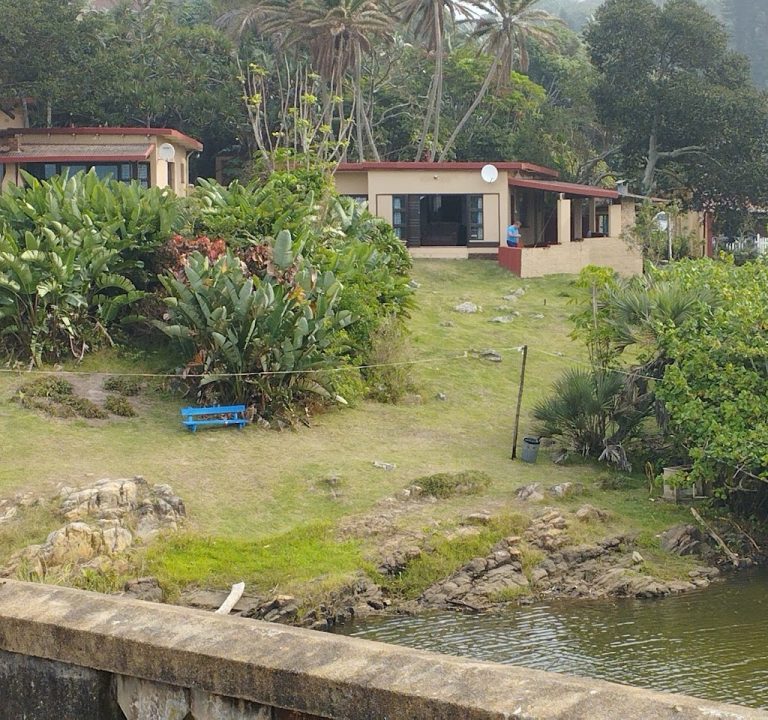
Vrystaat Jubilee is an example of a self‑catering option that can serve as a practical home base for longer stays. Self‑catering accommodation is often ideal if you want the flexibility to cook, do laundry and come and go as you please, particularly if you plan day trips to nearby towns, beaches or nature reserves. Look for en‑suite facilities, a well equipped kitchen, reliable Wi‑Fi, parking, and clear access information. In coastal towns such as Port Shepstone, a private outdoor space or balcony can make a big difference for relaxed evenings after a day of sightseeing.
When choosing where to stay, think about proximity to the main beaches, central shops and medical services, as well as access to transport links. A central location can cut down on travel time if you plan to visit multiple beaches, riverside viewpoints, or the inland countryside. If you’ll be driving, check on-site parking and easy access routes onto the major roads. If you’re not renting a car, look for guesthouses or lodges that offer arranged transfers, or access to reliable local taxi services and short‑range car hire. Also consider whether the property is wheelchair accessible or has family friendly features such as cots, high chairs or safe outdoor spaces for children.
Typical amenities you may encounter include: well equipped kitchens or kitchenettes, dishwashers, separate living and dining areas, laundry facilities, air‑conditioning or ceiling fans, and outdoor seating areas. For longer stays, a washer/dryer and iron are particularly valuable. It is worth confirming housekeeping arrangements, whether linen and towels are refreshed regularly, and whether there is a dedicated contact person for guest queries during your stay. Some properties offer curated welcome packs or local tips, which can be handy for first‑time visitors to the area.
Transport in Port Shepstone is easiest with a car, especially if you want to explore the broader coastline and inland attractions. The town is a practical base from which to reach beaches to the north and south, the Oribi Gorge Nature Reserve, and small inland settlements. If you plan to travel between coastal towns, factor in the longer driving distances during peak holiday periods. For longer trips to major hubs such as Durban or Pietermaritzburg, you’ll want a reliable vehicle and a rough itinerary, as public transport options can be limited in rural coastal areas.
The best time to visit Port Shepstone depends on your priorities. The KwaZulu-Natal coast enjoys a subtropical climate with warm, humid summers and mild winters. If you are seeking calmer beach days and lower humidity, consider the winter months. For marine wildlife enthusiasts, the region can offer whale viewing and other coastal experiences in season, though always check local guidance. Summer is popular for beach activities and outdoor exploration, but be prepared for the possibility of showers and higher humidity. Packing practical clothing for heat, sun protection, and light rain showers will help you stay comfortable year‑round.
When planning activities, keep a flexible mindset. Local attractions tend to be nature‑based and lightweight on formal admissions, focusing on scenery, trails and riverside outlooks rather than high‑volume theme parks. Walking and coastal trails are a good way to enjoy the scenery without a heavy itinerary. Dining options in the area typically range from casual seaside eateries to family‑run establishments offering seafood and regional favourites. For a relaxed meal, look for venues that emphasise fresh ingredients and pleasant views rather than formal dress codes, and consider trying local favourites for a sense of place. If you are visiting during peak periods, book ahead where possible, particularly for popular seaside cafés and dining spots, to avoid disappointments.
Practical planning tips:
- Read recent guest reviews to gauge cleanliness, host responsiveness and accuracy of property descriptions.
- Clarify what is included in the booking (linens, towels, toiletries, kitchen basics) and what you need to bring (toilet paper, extra supplies for longer stays).
- Check cancellation policies and whether there are rebooking options in case of travel changes.
- Ask about access and security, including gate codes, door locks and external lighting at night.
- Investigate nearby grocery stores and医 pharmacies so you can plan meals and emergencies without lengthy drives.
For further inspiration on the region, official tourism resources and local information can be a useful starting point. See the KwaZulu-Natal or South African tourism pages for overviews of beaches, nature reserves, and rural experiences around Port Shepstone. If you would like guided insights on the coast, seek recommendations from reputable local operators and accommodation hosts, who can tailor suggestions to your interests and budget.
In summary, Port Shepstone offers a practical retreat with options for self‑catering living and comfortable guesthouse stays. By choosing a well‑located base, confirming essential amenities, planning transport, and allowing time for coastal and hinterland discoveries, you can enjoy a balanced itinerary that highlights the region’s natural beauty and easygoing South African hospitality. For further ideas and official guidance, you can explore specialist tourism resources such as dedicated regional sites.