Accommodation and experiences in Hazyview, Mpumalanga: planning your stay and what to enjoy
Hazyview sits on the edge of the Mpumalanga Lowveld, just inland from the famous Panorama Route and the gates to the Kruger National Park. It is a handy base for visitors seeking wildlife, scenery and outdoor adventures without the bustle of larger cities. When planning a stay, consider what area will best suit your pace—whether a quiet retreat on the outskirts of town or a central location with easy access to day trips and activities.
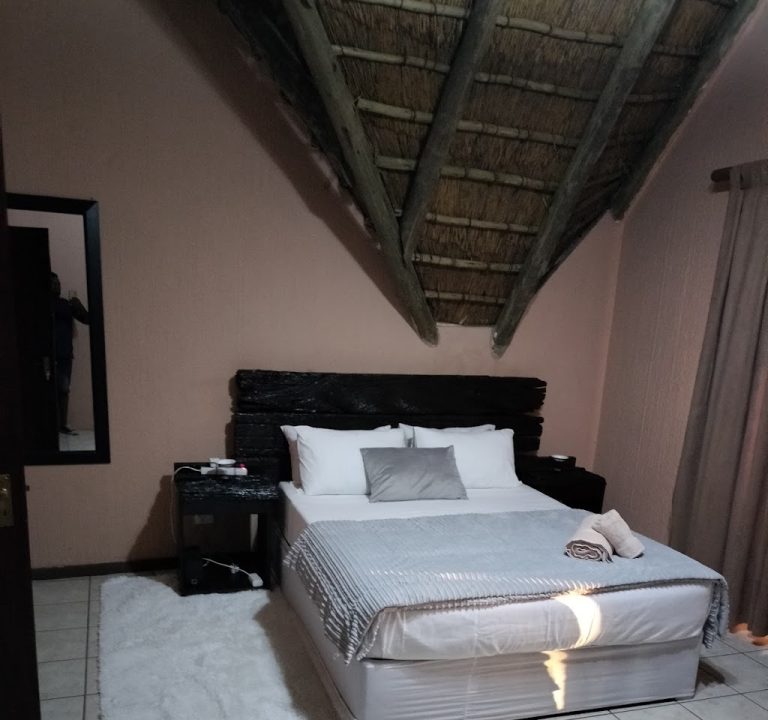
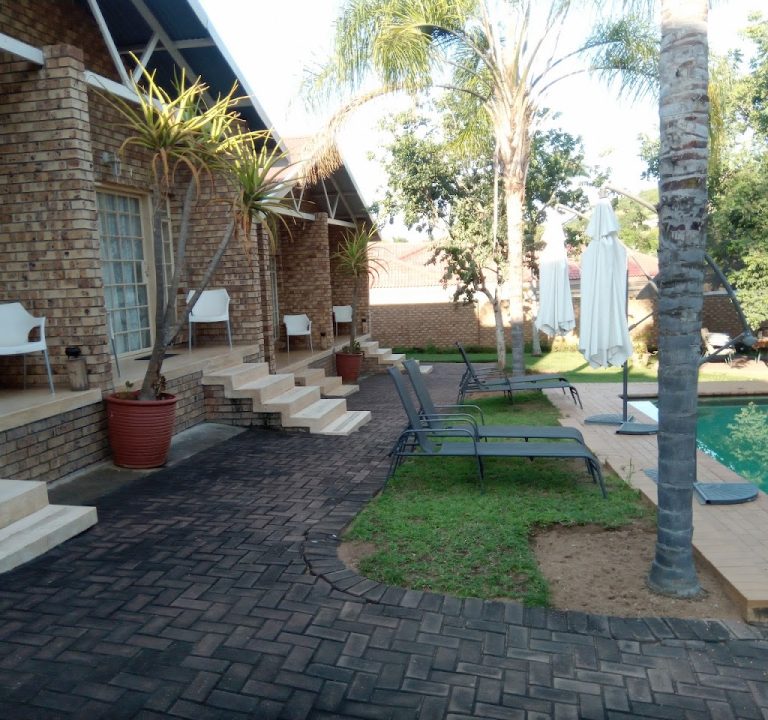
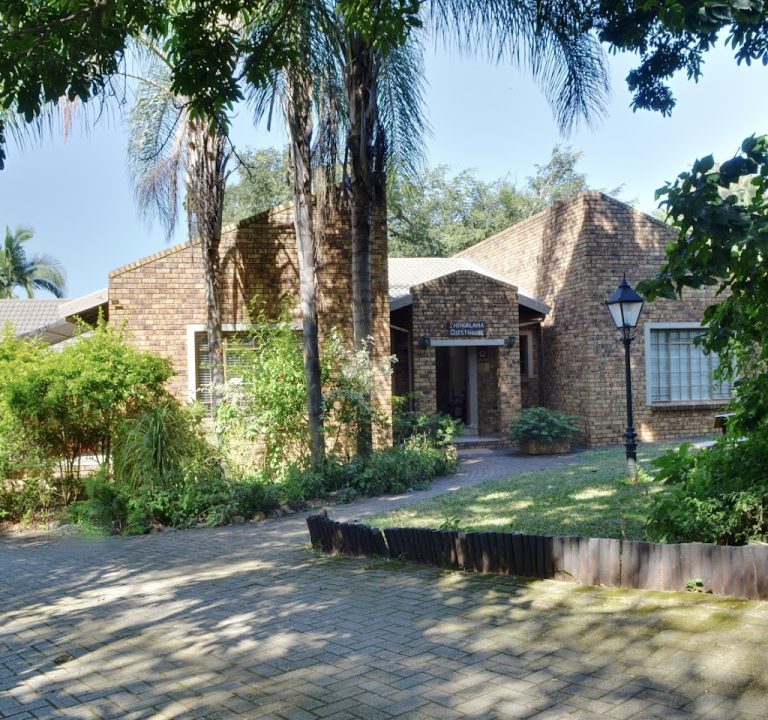
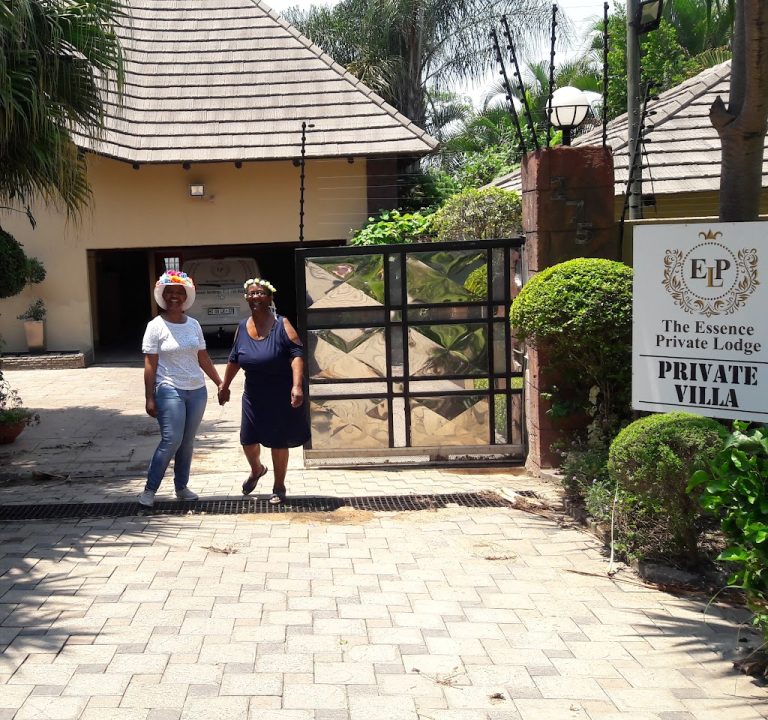
Accommodation in Hazyview ranges from boutique guest houses and small lodges to comfortable bed-and-breakfasts and self-catering options. Guest houses are a popular choice for travellers who want a friendly, homely atmosphere, inclusive breakfasts, and insider tips from hosts about local sights and dining. For those travelling with family or a group, self-catering cottages or small lodges provide space, privacy, and the flexibility to cook your own meals after busy days on the plains or along the escarpment. When choosing where to stay, look for clean, well-maintained rooms, secure parking, and attentive hosts who can help with planning daily excursions.
Areas to consider include:
- The town centre and Riverside precinct, convenient for walks along the Sabie River, short drives to restaurants, and quick access to local shops.
- Suburban pockets on the outskirts with larger plots, garden settings, and a sense of seclusion—ideal for travellers seeking a restorative break among birdsong and Minox trees.
- Proximity to the Kruger gate routes. Staying closer to the Kruger National Park’s southern gates can reduce driving time on long safari days, though you may trade off some village conveniences.
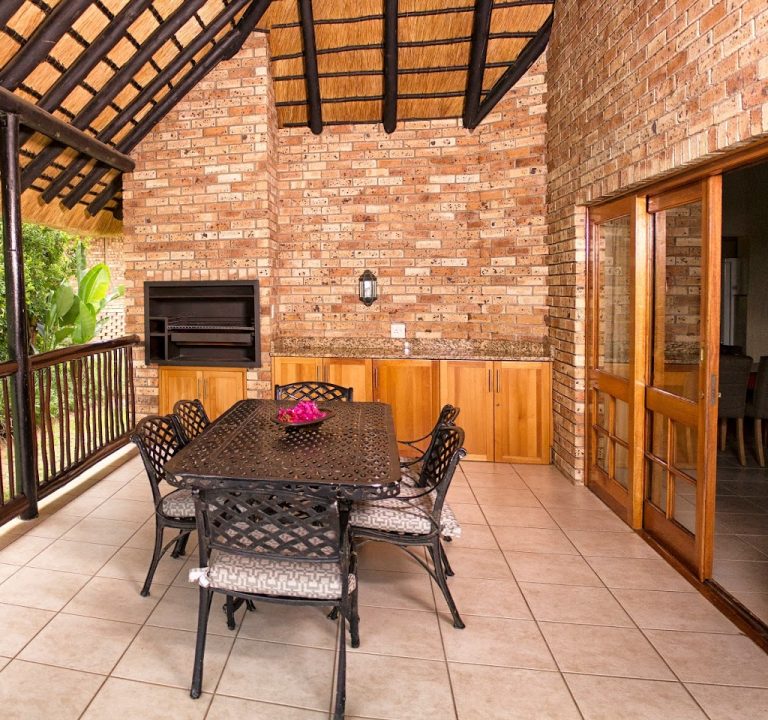
When booking, consider what matters most for your stay. Typical amenities to look for include reliable Wi-Fi, air conditioning or fans for humid spells, private or en-suite bathrooms, on-site parking, and a cooked breakfast if you value a good start to the day. Some properties offer braai facilities (barbecue), which are popular for evenings under the vast African sky. If you’re visiting in high season, a pool or shaded outdoor seating area can be very welcome after a day in the heat. For families, confirm whether child-friendly rooms, safe outdoor spaces, and cots or extra beds are available. For those seeking a quieter break, request rooms away from street noise and ensure there are generous common spaces to relax after a day of activity.
Transport in and around Hazyview is straightforward, though planning ahead helps. A car is the most convenient way to explore the region, allowing you to follow the Panorama Route’s scenic byways, make your own stops for viewpoints and waterfalls, and reach the southern Kruger gates with time to spare. If you are not driving, check whether your accommodation offers airport transfers or local shuttle options, and be prepared for longer travel times between attractions if you rely on taxis or organised tours. Once you are settled, you can navigate local entrances by following clear road signs and using offline maps for areas with limited mobile reception in the countryside.
Best time to visit Mpumalanga hinges on wildlife viewing and weather preferences. Dry winter (roughly May to September) often yields excellent game sightings as animals congregate around water sources, and mornings are cool for safaris or hikes. The wet summer season (roughly October to March) brings lush landscapes and dramatic afternoon thunderstorms, which can be spectacular for photography but may require flexible plans due to occasional rain. Spring and autumn tend to offer comfortable conditions with appealing light for outdoor activities and photography. If you are interested in birdwatching, the region’s wetlands and surrounding reserves can be particularly rewarding during migration periods.
Attractions and activities span a broad spectrum beyond wildlife watching. You can explore scenic drives along the Panorama Route, taking in viewpoints, caves and dramatic cliffs. River adventures, such as gentle boat trips or kayaking on the Sabie River, provide refreshing options on warm days. Guided walks in nature reserves offer educational insights into local flora and fauna, while cultural experiences and markets in nearby towns give a flavour of Mpumalanga’s heritage and crafts. For families and curious travellers, nature centres and interpretive trails nearby can be both informative and relaxing after a day of exploring.
When it comes to dining, Hazyview offers a range of casual eateries and bistro-style restaurants where you can sample simple, well-prepared meals after a day outdoors. Many accommodation providers can recommend nearby options and make reservations in advance, helping you enjoy a smooth evening without long trips back into town. If you prefer the flexibility of self-catering, combining market visits with a relaxed home-cooked meal can be a pleasant way to end busy days.
Practical tips for visitors to Hazyview:
- Book accommodation with flexible cancellation policies, particularly during shoulder seasons when weather and wildlife conditions can influence plans.
- Ask about early breakfasts or packed options for early-morning excursions, especially if you plan sunrise safaris or long day trips.
- Confirm water and power reliability in the property description, as some rural areas experience outages or seasonal water constraints.
- Pack adaptable layers for varying temperatures—evenings can be cool, while daytime can be hot.
- Check the proximity of your lodging to your planned activities to minimise long transfers—shorter drives save time and reduce fatigue.
In essence, a stay in Hazyview offers a balanced mix of relaxation, adventure and easy access to Mpumalanga’s most iconic landscapes. By choosing the right area, prioritising essential amenities, and planning your days around wildlife and scenery, you can craft a memorable visit that feels both authentic and expertly paced. If you have a preferred guest house or lodge, many operators maintain modern, well-appointed properties that prioritise comfort, local knowledge and a warm, welcoming atmosphere—ideal for a restful base from which to explore one of South Africa’s most captivating regions.