Cape Town: A Traveller’s Guide to Accommodation, Attractions and Dining
Cape Town sits at the western edge of the African continent, where dramatic mountains meet sparkling coastline. For visitors, the city offers a wide range of accommodation—from cosy guest houses and boutique BnBs to contemporary hotels and self‑catering apartments. Planning a stay in Cape Town means weighing preferred neighbourhoods, access to transport, and the pace you want to set for your days. A well‑chosen base can streamline sightseeing and give you time to savour the city’s diverse cuisine and unique neighbourhood character.
To help you decide where to stay, consider these prominent areas. The City Centre and the nearby City Bowl offer proximity to museums, galleries, and a thriving nightlife. The Atlantic Seaboard—encompassing areas such as the vibrant foreshore and the scenic coastal stretches—provides dramatic sea views, easy access to beaches, and chic dining spots. For a more leafy, wine‑land vibe with historic estates, Constantia and the Constantia Valley are ideal. For easy access to pristine beaches and a more relaxed ambience, Camps Bay and Clifton deliver premium scenery. Bo‑Kaap, with its colourful streets and rich Cape Malay heritage, is perfect for travellers who want a catalytic mix of culture and location. Those seeking a maritime atmosphere and a busy waterfront can base themselves near the V&A Waterfront or Green Point. Finally, for a tranquil family‑friendly retreat within reach of nature, Constantia and surrounding suburbs offer quieter streets and verdant hillsides.
When booking accommodation, look for a few practical fundamentals. Light, well‑ventilated rooms and secure access are essential, especially in busy urban areas. Check whether there is on‑site parking or easy access to public transport, and note the proximity to lifts, stairs, or ramps if you or travelling companions require easy access. A reliable housekeeper or daily cleaning service can be a welcome assurance in busy travel periods. If you’re seeking a more intimate stay, a guest house or boutique BnB often includes helpful hosts who can point you to local eateries, markets, and off‑the‑beaten‑path viewpoints. For families, confirm whether children’s facilities, cots, or extra beds are available, and if self‑catering kitchens are equipped for your needs.
Typical amenities to look for include free Wi‑Fi, comfortable bedding, adequate heating or cooling, in‑room tea and coffee facilities, and en‑suite bathrooms where possible. A well‑appointed guest house might also offer a shared lounge, a garden or sun deck, and a guest kitchen or breakfast service. Some properties partner with nearby cafés for breakfast, while others provide a continental spread or cooked options. If you plan longer stays, a kitchenette or access to a communal kitchen can be a practical perk.
Transport is a key planning factor. Cape Town has a growing public transport network, including bus services and ride‑hailing options. The MyCiTi bus system can be useful for getting around major hubs and tourist zones, while Uber and other platforms are popular for more flexible day trips. If you’re staying near the City Bowl or the Atlantic Seaboard, many attractions and restaurants are walkable, but a car offers the freedom to explore the Cape’s outer reaches, such as the Constantia wine route, Cape Peninsula viewpoints, or the Cape Winelands beyond the city limits. If you intend day trips to significantly different areas, ensure your accommodation is well connected to major routes or offers easy shuttle arrangements with trusted providers.
The best time to visit Cape Town depends on your priorities. Spring (September to November) brings blossoming gardens and milder weather, while summer (December to February) offers long days and vibrant coastal life. Autumn (March to May) remains pleasant, and winter (June to August) is cooler and wetter, with fewer crowds and dramatic coastal scenery. Pack layers, a light rain shell, sun protection for beach days, and a comfortable pair of shoes for hill climbs and coastal walks. If you’re visiting during the hotter months, remember to stay hydrated and plan early starts to avoid the peak heat during mid‑afternoon sightseeing.
Practical tips for a smooth stay: book accommodation with clear cancellation policies, especially if you’re travelling in peak seasons or during public holidays. Confirm how housekeeping and towel changes are managed, and check whether laundry facilities are available if you’re staying longer. Banking and card payments are widely accepted, but carry a small amount of local currency for markets or smaller shops. For safety, keep valuables secure and be mindful of street‑level access in busy areas, particularly after dark. Tipping is customary in hospitality and dining, and a little extra for staff who go above and beyond is appreciated. Plan your meals around a mix of casual eateries and fine‑dining venues to sample a spectrum of Cape Town’s culinary offerings, from seafood and grilled dishes to flavoursome Cape Malay and contemporary South African cuisine.
- Consider a base near the City Bowl, Green Point, or the Atlantic Seaboard for ease of access to viewpoints and city experiences.
- Choose a guest house or boutique hotel if you value personalised service and insider tips from hosts.
- Balance your itinerary with nature‑driven days in the winelands or along the coast, punctuated by cultural stops in historic districts.
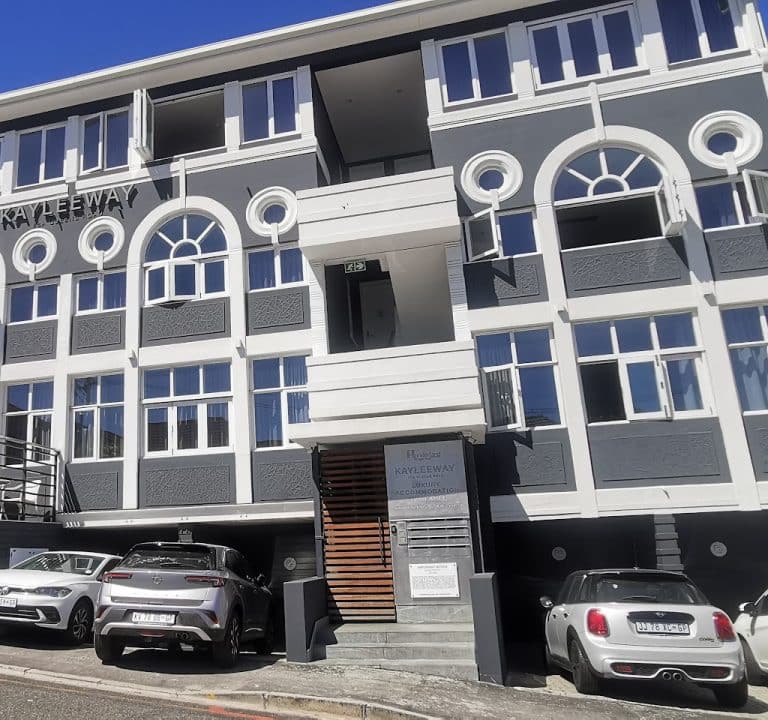
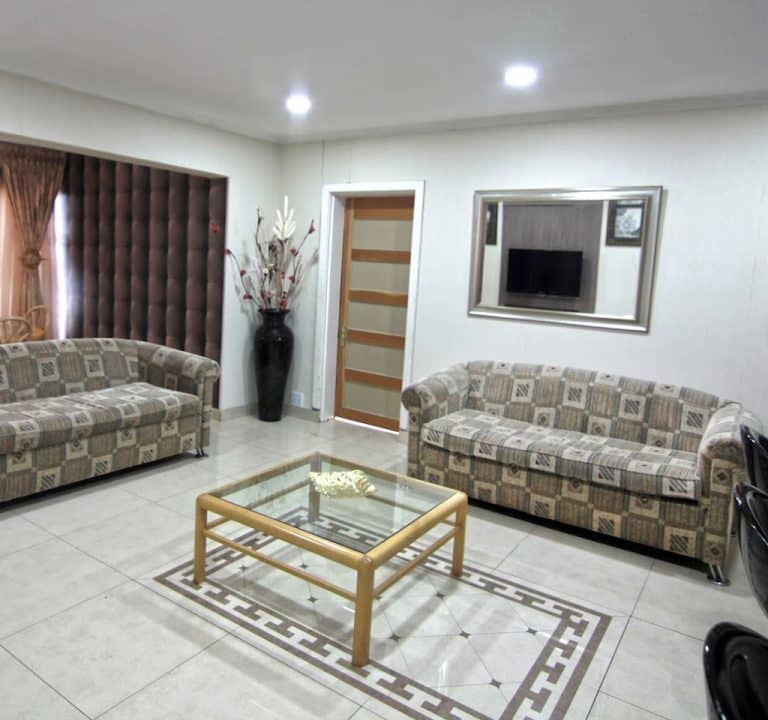
For a practical example of accommodation that embodies warm hospitality, you might explore options such as a guest house in a residential quarter offering a homely feel, good breakfast options, and personalised recommendations. A reputable guest house in Cape Town could provide a dedicated website with detailed room types, nearby attractions, and transport tips. Visitors are encouraged to visit the property’s official site for the most accurate information and to plan their stay accordingly. For example, a well‑presented guest house with an informative online presence can help you understand room configurations, breakfast arrangements, and proximity to parks, museums, and beaches. See the property’s website for further details and booking options: http://www.villasunshine.co.za/