Stellenbosch: Where to stay and how to plan your visit for an unforgettable stay
Stellenbosch in the Western Cape is a refined hub for wine lovers, history seekers and travellers looking for a scenic base in easy reach of Cape Town. With its oak-lined streets, university charm and nearby mountain scenery, the town offers a range of accommodation styles from cosy self-catering options to boutique guesthouses and well-appointed lodges. Planning a stay here means weighing location, accessibility and amenities against your budget and preferred pace of travel.
Areas to consider when choosing accommodation for Stellenbosch include the historic town centre, which is ideal if you want easy access to cafes, galleries and strolling routes; the university area, which tends to be lively and well-connected to buses and rideshares; and the northern or western outskirts where properties may offer more space, tranquil garden settings and convenient access to the northern winelands. For a truly immersive experience, look for stays that offer a compact kitchen or kitchenette, allowing you to enjoy simple meals after a day exploring wine estates or hiking in nearby nature reserves.
Self-catering and guest-focused options in Stellenbosch commonly feature well-equipped kitchens, comfortable living areas and private or semi-private outdoor spaces. Many properties emphasise a relaxed, home-from-home atmosphere and often provide guidance on local markets, wine estates and outdoor activities. When selecting a place to stay, consider:
- Proximity to central Stellenbosch versus quieter rural settings
- Access to parking, and how easy it is to reach major routes to the winelands or Cape Town
- On-site amenities such as swimming pools, outdoor seating, laundry facilities and reliable Wi‑Fi
- House rules, check-in procedures and whether the accommodation provides self-check-in for flexibility
- Moderate to flexible cancellation policies in case plans change
Typical amenities to expect include well-equipped kitchens or kitchenettes, comfortable bedding, private entrances, secure parking, and daily housekeeping or mid-stay cleaning in some options. Depending on the property, you may also encounter features such as garden terraces, braai (barbecue) facilities, air conditioning or heating, and access to bicycles or guided tours. Check what’s included in the price—some places provide complimentary wine tastings, maps of the area, or curated recommendations for local eateries and activities.
Transport is an important consideration in Stellenbosch. If you plan to explore the winelands, having a car or arranging private transfers can be very convenient. Public transport options are available, but services may be less frequent on Sundays or in outlying areas. For guests without a vehicle, look for stays near central Stellenbosch or close to taxi or ride-share hubs, and inquire about shuttle services offered by the property or local operators. If you intend to visit a specific wine estate or popular nature site, ask the host or guest service contact for guidance on the most efficient route and timing.
The best time to visit Stellenbosch depends on your priorities. Spring (September to November) brings blossoms and mild weather, ideal for outdoor wanders and wine estate tastings without the crowds of peak summer. Autumn (March to May) offers golden light and comfortable temperatures, making it a favourite for photography and scenic drives. Summer (December to February) is lively, with outdoor terraces and abundant cellar doors, but it can be busier and warmer. Winter (June to August) is cooler and often quieter, with a cosy ambience in guesthouses and lodges. Regardless of the season, it’s wise to book ahead for popular periods such as harvest time or public holidays.
When planning activities, consider blending cultural, culinary and natural experiences. Stellenbosch’s historic streets hold museums, galleries and heritage architecture that showcase the town’s stories. The surrounding winelands offer guided tours, tastings and the chance to learn about viticulture in a relaxed setting. For meals, you’ll find a range of eateries from casual bistros to refined dining rooms that emphasise farm-to-table ingredients and regional wines, without needing to travel far from your base. Many visitors enjoy a day trip that combines a winery visit with a stop at a local market or street-food venue for a light meal or snack.
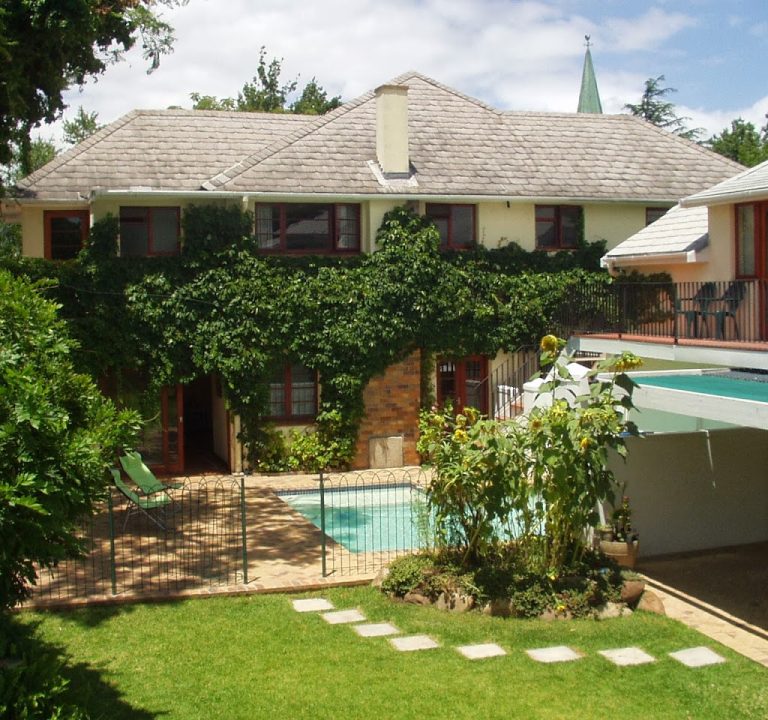
Accommodation in the Vilaroux area provides a practical example of the kind of stay that suits a relaxed itinerary. A self-catering option like Vilaroux can be a sensible base for travellers who prefer cooking at home after days spent exploring. With appropriate kitchen facilities, comfortable living spaces and garden access, such a property supports longer stays, weekend breaks and family visits. For more information, potential guests can visit the property’s official website: https://www.vilaroux.co.za/
In summary, a well-planned stay in Stellenbosch blends a convenient position with the comforts and flexibility of your chosen accommodation. Consider the balance between proximity to central sights, access to transport, and the amenities that will make your trip most enjoyable. With careful selection, you’ll be well placed to enjoy the town’s elegant pace, its surrounding winelands and the varied experiences that make Stellenbosch a standout part of the Western Cape.