Exploring Gqeberha: Where to stay, what to see, and how to plan a rewarding visit
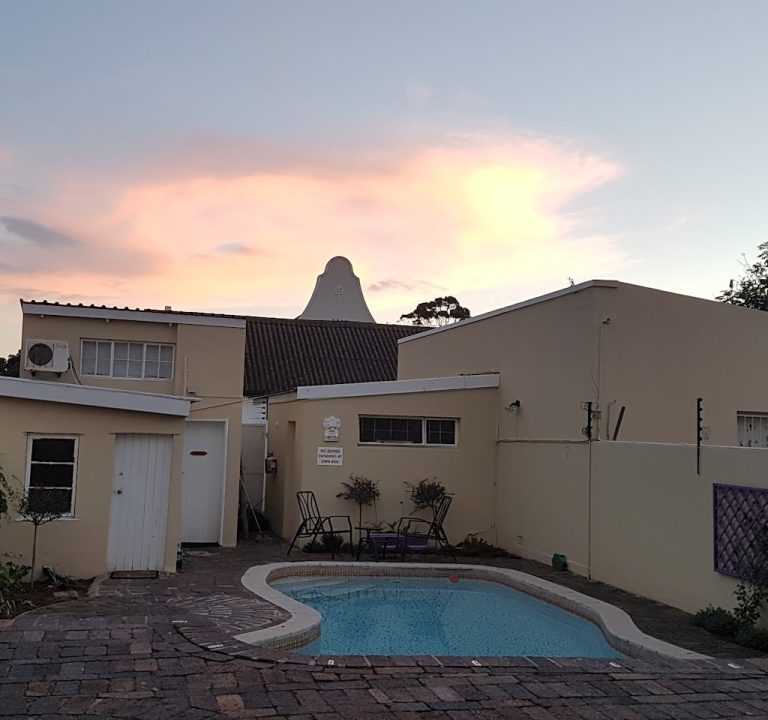
Nestled on the eastern cape coast of South Africa, Gqeberha—formerly Port Elizabeth—offers a inviting mix of coastal scenery, leafy suburbs, historic streets and a growing selection of visitor-focused accommodation. Whether you favour boutique guesthouses, family-friendly hotels, or comfortable self-catering options, the city is well set up for a relaxed yet varied stay. For those seeking characterful appeal, the Victorian Villa Guest Manor stands out as a standout example of a distinctive stay in the area, illustrating how traditional charm can sit comfortably alongside modern comforts.
When planning a stay, consider the neighbourhoods as much as the amenities. The beachfront areas are ideal for early-morning walks along the quay, long afternoon strolls, and easy access to seafood restaurants and lively cafés. Inland districts often offer calmer streets, parkland proximity, and a broader range of mid-range and boutique options. If you are travelling with family or a group, look for properties that offer self-catering facilities, parking on-site, and ample communal space. For business trips, you’ll want reliable Wi‑Fi, a quiet work area, and straightforward access to the airport and major roads.
What to look for when booking:
- Location relative to your planned activities—coastline versus city centre versus quieter residential streets.
- Room configurations and layouts—whether you need twins, doubles, family rooms, or suites with lounge areas.
- On-site facilities—secure parking, 24-hour reception, laundry, pool, or a gym can tip the balance for longer stays.
- Transport links—easy access to major routes, airport transfers, or public transport options.
- House rules and flexibility—arrival times, late checkout options, and child-friendly policies.
- Guest reviews—look for consistent notes on cleanliness, staff helpfulness, and accuracy of listings.
Typical amenities you can expect in many accommodation options include private bathrooms, housekeeping, air conditioning or ceiling fans, Telef. and charging outlets near beds, secure Wi‑Fi, and well-equipped kitchens or kitchenettes in self-catering setups. Breakfast services range from full buffets to continental options, and some places may offer dining on-site or nearby recommendations. In price terms, Gqeberha tends to offer a broad spectrum, from modest mid-range properties to more luxurious, destination-style hotels that emphasise a serene setting and personalised service.
Transport around Gqeberha is quite practical for most visitors. Car hire is common, and many visitors appreciate the flexibility it offers for coastal drives, nature reserves and day trips. If you prefer not to drive, rideshare apps are typically available, and some hotels arrange airport transfers or local shuttle services. The city centre is reasonably walkable in good weather, and several neighbourhoods are bike-friendly with on-street routes and quiet lanes. If you plan to explore beyond the city limits—such as the nearby nature reserves or the shallower coastal coves—having access to a car becomes particularly advantageous.
The best time to visit Gqeberha depends on your preference for temperature and activities. Summer (November to February) brings warm days suitable for beach time, water activities, and al fresco dining, though humidity can rise. Autumn offers pleasant temperatures with the coast cooling a touch, making outdoor exploration enjoyable without the peak heat. Winter (June to August) is mild rather than chilly by international standards, which suits city sightseeing, wildlife reserves, and quieter streets where accommodation prices can be more favourable. Spring bursts with fresh greenery and the possibility of whale watching along certain coastal stretches, depending on the exact route and season. Pack layers for variable coastal weather and be prepared for sea breezes that can feel cooler than the air temperature.
Practical tips to get the most from your stay:
- Book early for peak seasons or school holidays, especially if you want a specific property with a strong sea view or a central location.
- Ask about parking arrangements and security features if you plan to hire a vehicle.
- Check access to beaches and any seasonal rules—some stretches may be suited for swimming, while others are best for strolls.
- Consider half-day or full-day excursions as part of your plan—coastal drives, wildlife reserves, and cultural museums offer enriching diversions close to the city.
- Look for a base with a good map of the area and local restaurant recommendations to help you sample the regional cuisine responsibly and safely.
Beyond the hotel lobby, Gqeberha offers a relaxed pace and a chance to enjoy coastlines, parks and galleries at a comfortable tempo. Dining options range from casual eateries serving fresh seafood and local produce to more refined bistros offering contemporary takes on South African favourites. For a day out, you might stroll along the beachfront, explore parks and viewpoints, or visit museums and cultural centres that reflect the city’s history and modern vibrancy. When planning your days, balance time by the sea with inland exploration, so you can savour both the maritime ambience and the city’s urban charm. Whether you choose a boutique property like Victorian Villa Guest Manor or a larger waterfront hotel, the key is to align your stay with the experiences you most value, making your Gqeberha visit both convenient and memorable.