Exploring Dolphin Coast: Where to Stay, What to See, and How to Plan Your Visit
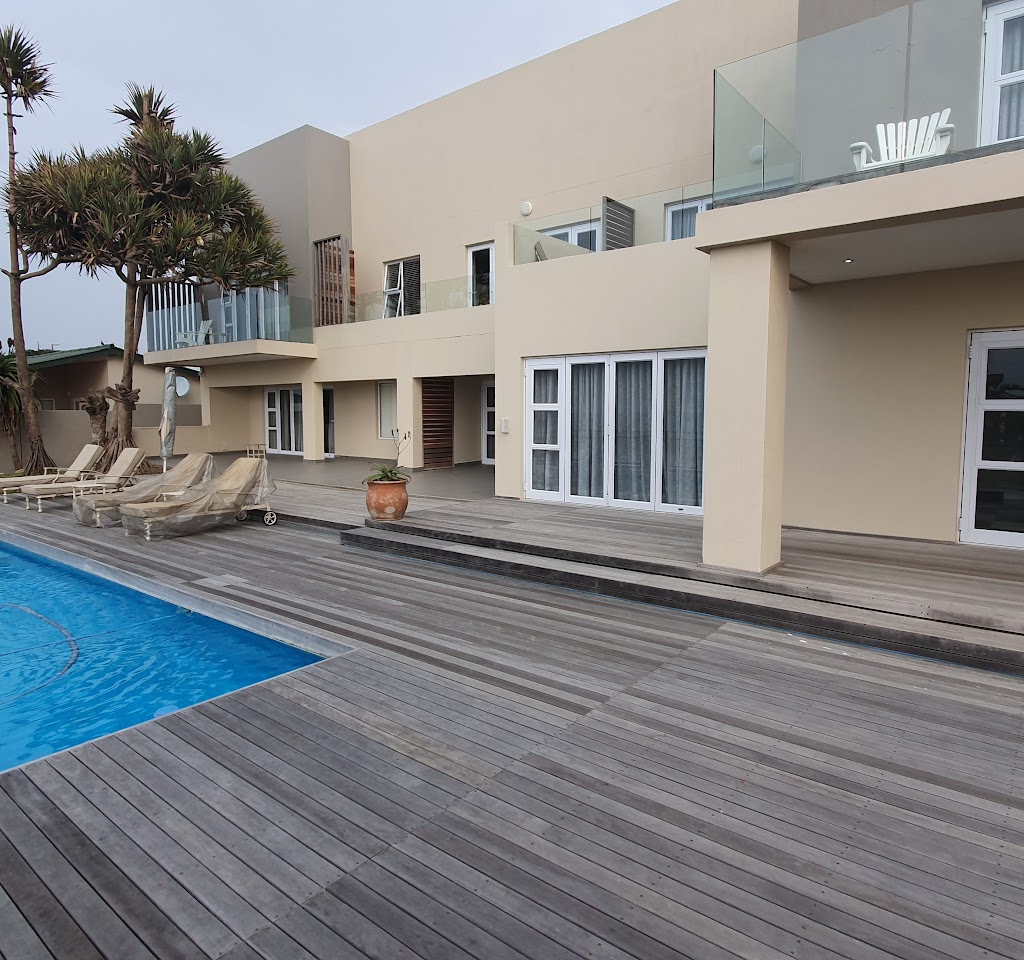
The Dolphin Coast of KwaZulu-Natal offers a relaxed, sun-kissed gateway to the North Coast of South Africa, famed for its sweeping beaches, warm Indian Ocean waters and wildlife-rich waterways. When planning a stay, consider where you’d like to base yourself along this leafy strip, from the family-friendly enclaves near popular beaches to more residential areas that provide easy access to trails, viewpoints and informal eateries. A stay at a quaint bed & breakfast such as Vetho House, a cosy option that blends personal hospitality with a convenient location, can set a restful tone for your trip.
Accommodation on the Dolphin Coast ranges from boutique B&Bs and guesthouses to self-catering cottages and stylish lodges. Areas along the coastline each bring a slightly different flavour. For a relaxed beach ambience with easy access to long, sandy stretches, look for properties close to the main beaches and promenades. If you prefer a more tranquil setting, inland pockets within short drives of the coast provide a peaceful base with leafy surroundings and local eateries nearby. When choosing where to stay, think about your priorities: direct beach access, proximity to nature reserves, or convenience for day trips to nearby towns and markets.
Typical amenities at well-located properties often include free Wi‑Fi, private en-suite bathrooms, and balconies or verandas with sea or garden views. Many guesthouses and B&Bs emphasise a hearty breakfast, sometimes with seasonal twists to showcase regional produce. If you’re travelling with family, look for family rooms or interconnecting suites, child-friendly facilities, and convenient parking. For couples and solo travellers seeking a peaceful retreat, properties offering private patios, tranquil gardens, or sun decks can be particularly appealing. If you require accessibility features, check ahead with your host or guesthouse about ramp access, wider doorways, or reserved parking spaces.
Transport is a practical consideration. The Dolphin Coast is best navigated by car, granting the freedom to explore beaches, lagoons and natural reserves at your own pace. Some guesthouses offer on-site parking, while others provide shuttle arrangements or easy access to rideshare services. If you intend to venture further afield to places like game reserves, craft markets or coastal towns, a rental car will simplify your itinerary. Towns along the coast are connected by scenic routes, so a little time set aside for coastal drives can become a highlight of your stay.
Best time to visit the Dolphin Coast varies with weather and your activities. The region enjoys warm summers and mild winters, with peak beach season from roughly October to March. Winter brings cooler, drier spells that can be pleasant for wildlife watching or long walks along the shore. Considering shoulder seasons—late spring and early autumn—often offers a balance of comfortable temperatures, quieter beaches, and good-value accommodation. For those seeking good surf, spring and autumn can yield reliable conditions, though beach winds can differ by location. Always check local forecasts for sea conditions and any seasonal advisories before heading out for water-based activities.
When planning activities, you’ll find a mix of relaxing coastal experiences and wildlife-adjacent adventures. Long beach walks, paddling on calmer lagoons, and birdwatching are wonderful free options. For a broader sense of the region, consider guided tours or organised excursions that focus on marine ecology, coastal flora, or local culture. For food lovers, the Dolphin Coast offers a range of dining options that emphasise fresh seafood, seasonal vegetables and locally sourced ingredients. Rather than relying solely on one restaurant, allow time to explore a few chosen venues to sample regional flavours and styles, from casual beach bistros to more refined eateries with ocean views. If you prefer self-catering, your accommodation is likely to be near convenience stores or local markets where you can stock up on provisions for a relaxed meal in the garden or on the veranda.
- When booking: read recent guest reviews for honesty about noise, cleanliness and host responsiveness.
- Look for clear cancellation policies and flexible dates where possible, especially during shoulder seasons.
- Check if your accommodation offers breakfast and if there are options for dietary requirements.
- Ask about parking arrangements, gate access, and security measures if you will be returning after dark.
- Plan a balanced itinerary that includes downtime to unwind by the sea or in a garden setting.
Practical tips to optimise your stay include packing light, comfortable footwear for sand and boardwalks, and a small windbreaker for breezy evenings. Respect local customs and natural habitats, keeping to marked paths in nature reserves and disposing of rubbish responsibly. If you’re travelling with a vehicle, map out a few day-trip routes to nearby towns or nature reserves to maximise your time away from the crowds. A local visit can be as simple as a stroll along the shore and a stop at a café with ocean views, or as immersive as a guided nature walk that highlights the region’s birdlife and coastal ecosystems.
For more information about the Dolphin Coast and practical planning resources, consider official tourism sites and regional visitor guides. When you’re ready to choose accommodation, read host descriptions carefully, compare inclusions, and look at guest photos to gauge both comfort and atmosphere. A thoughtfully planned stay in this generous corner of KwaZulu-Natal can offer a refreshing blend of sun, sea and stay-in comfort, with easy access to the natural and culinary pleasures that define the Dolphin Coast.