Exploring Franschhoek: where to stay, eat and explore in the valley of wine and beauty
Franschhoek, tucked in the Western Cape’s scenic Helderberg Basin, is renowned for its mountains, wine routes and a village atmosphere that feels both intimate and refined. Whether you are travelling as a couple, with family, or on a slow, woman-orientated sabbatical, the town offers a range of accommodation that blends comfort with easy access to the surrounding vineyards and countryside. When planning a stay, think about proximity to the centre, access to wine estates, and the pace you want for your days—the valley rewards relaxed exploration as much as it does ambitious tastings.
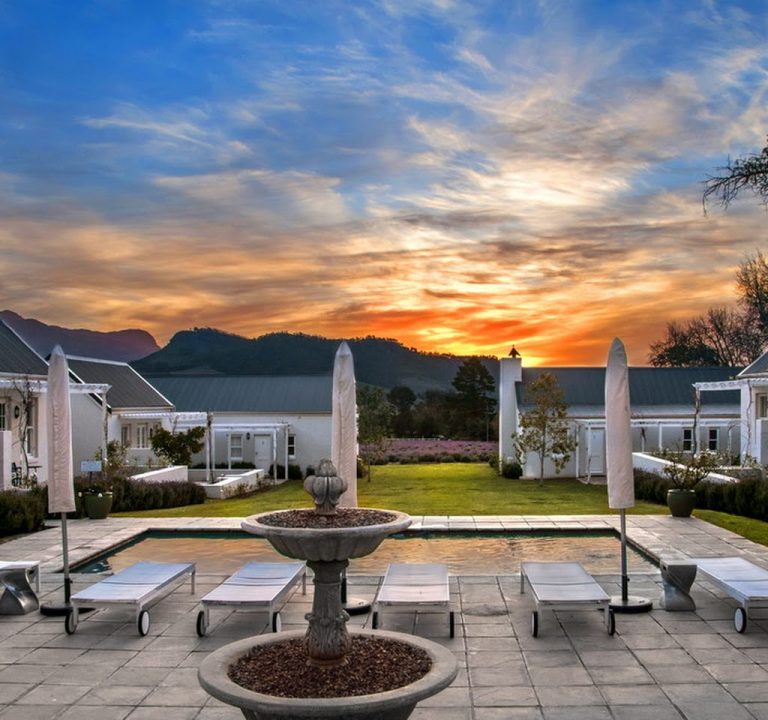
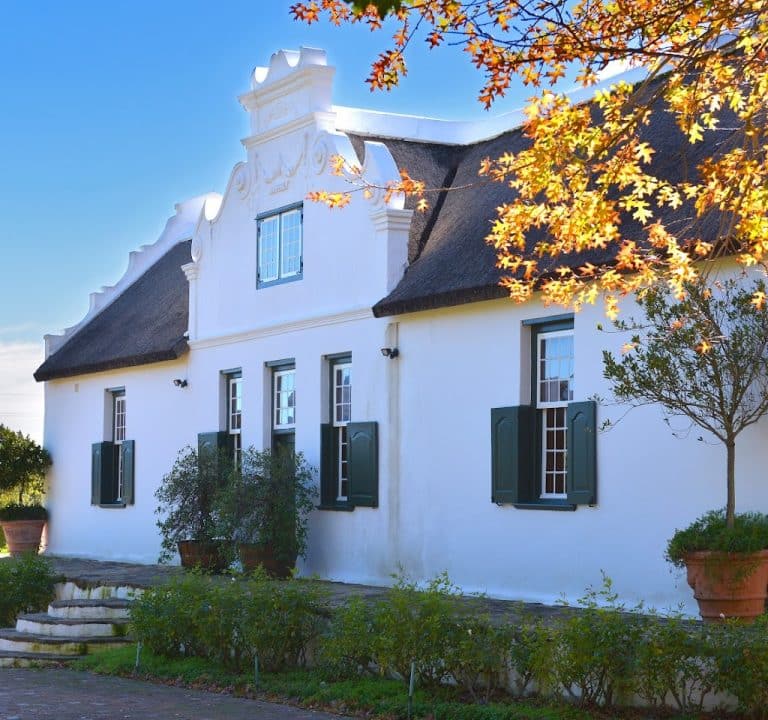
Accommodation in Franschhoek typically balances character with modern conveniences. Boutique guesthouses and small hotels often occupy charming properties with courtyards, balconies or garden spaces, while some self-catering villas provide more privacy and flexibility for longer visits. One example of a versatile option is Verdun Country House, a villa-style retreat that emphasises restful spaces and a sense of countryside seclusion, yet remains within easy reach of the village’s eateries and cultural favourites. Its setting makes it suitable for guests who value a homely atmosphere with stylish interiors and a private feel. For many travellers, the appeal lies in waking to quiet surroundings, followed by a short stroll to the village square for a coffee, pastry or a morning market wander. More traditional inns and modern guesthouses also pepper the area, offering personalised service and local insights from friendly hosts.
When choosing where to stay, consider the area you wish to base yourself in. Franschhoek’s village core is the natural heart, with a compact layout that makes walking between eateries, wine-tasting rooms and galleries easy. Lodges and estates set just outside the village tend to offer larger grounds, pool areas and spectacular views of the surrounding mountains and vineyards. If you prefer a quieter refuge yet with convenient access to attractions, a villa or guesthouse on the outskirts can offer both privacy and a short drive into town. Think about transfers: some properties include shuttle services or can arrange private transport to wine farms, while a car is often the most flexible option for making the most of the wider valley and nearby towns.
Typical amenities you can expect include comfortable ensuite bedrooms, Wi‑Fi, on-site dining options or close proximity to excellent restaurants, and delightful outdoor spaces for alfresco mornings or evening sundowners. Many properties may offer additional touches such as freshly baked cake at tea time, a library corner, or a porch that invites long, lazy afternoons. If you’re staying at a villa or boutique hotel, you might find a larger terrace, private garden or heated pool—great for shoulder-season visits when the weather is mild but not baking hot. Always check whether breakfast is included or offered as a continental or cooked option, and whether there are any special packages for wine tastings, spa treatments, or guided walks in the surrounding hills.
Practical planning tips include considering how you’ll move around. Franschhoek’s attractions are concentrated in and around the village, so a central base minimizes daily travel and maximises time spent exploring. If you intend to visit several wine estates, inquire about arranging private tours or tastings with local operators who understand the area’s routes, seasonal hours and sharing policies. For travellers who enjoy walking, the village is pleasant to explore on foot, with boutique shops, galleries and bakeries forming a walkable circuit. Driving is straightforward if you wish to venture into neighbouring towns or to scenic lookout points, but be mindful of peak traffic times during harvest months and weekends when road networks can become busier than usual.
The best time to visit Franschhoek generally aligns with the South African climate and wine harvest calendar. Spring and autumn bring moderate temperatures and clear skies, ideal for outdoor dining and vineyard strolls. Summer days are often sunny and inviting, perfect for picnics and lunches on terraces, while winter can be cool and quieter, with cosy indoor dining and fireside evenings in many guesthouses and lodges. If you plan to attend any seasonal culinary events or wine-focused activities, check ahead for dates and booking windows, as popular experiences can fill quickly.
Attractions in and around Franschhoek are designed to be savoured at a leisurely pace. You can expect heritage houses and museums that reflect the valley’s French-Swiss influence, scenic vineyard drives, and art and food experiences that celebrate regional produce. While this article does not list every specific venue, guests typically enjoy visits to wine farms with tastings and cellar tours, markets that showcase local crafts, and restaurants that emphasise farm-to-table ingredients and seasonal fare. For a well-rounded day, consider pairing an activity with a winery lunch or a stroll through the village to sample baked goods, chocolates or regional delicacies.
Sample accommodation considerations at a glance:
- Ask about the distance to Franschhoek village and preferred transport arrangements.
- Clarify breakfast availability, dining options, and whether evening meals are offered on-site.
- Check the bathroom layout and storage, particularly for longer stays or family trips.
- Look for outdoor spaces such as terraces or pools for sun and shade throughout the day.
- Request guidance on local routes for walking, running, or easy hikes in the surrounding mountains.
For more information and to view options like Verdun Country House, explore the property’s official website and partner listings to compare layouts, rates and periods of operation. This region rewards careful planning and a flexible mindset, inviting guests to slow down, breathe in the mountain air and enjoy the gracious hospitality that Franschhoek is famous for.