Betty’s Bay: Where to stay, what to do, and how to plan your visit
Betty’s Bay, tucked along the coast of the Western Cape, offers a relaxed base for travellers keen to explore the Overberg’s natural beauty and maritime charm. With a mix of guesthouses, B&Bs, and small hotels, the village provides a friendly atmosphere, easy access to pristine beaches, and close proximity to nature reserves. When planning a stay, it helps to think about the pace you want, the activities you most enjoy, and how you prefer to move around the area.
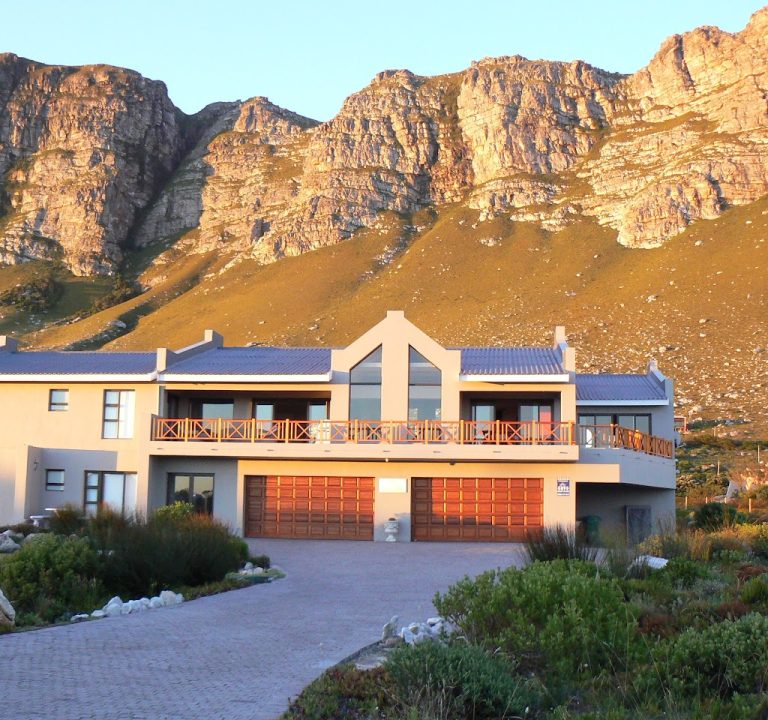
Accommodation options in Betty’s Bay range from cosy coastal guesthouses to small, independently run hotels. One established example is Van Den Berg’s Guesthouse/B&B, which sits within easy reach of the village’s scenery and amenities. While it’s useful to review guesthouse features and room configurations before booking, you should also consider how your pick aligns with your daily plans—whether you want quick beach access, easy drives to the surrounding towns, or a quieter retreat with scenic views. Always check what’s included in the rate, such as breakfast, parking, and whether self-catering facilities are available.
Where to stay in Betty’s Bay often boils down to location relative to the coast and to local attractions. The coastline offers dramatic views, rock pools, and long, child-friendly stretches of sand. Some properties are perched a little higher on the hillsides, presenting sweeping vistas of the ocean and offshore islands. If you prefer a mornings-to-beaches routine, look for accommodation within a short stroll to the shore or with easy vehicle access to main routes. For travellers who plan a day trip to nearby towns, choosing a base closer to the N2 or R44 corridors can reduce daily driving time.
Typical amenities you might expect in Betty’s Bay accommodation include en-suite facilities, Wi‑Fi, private entrances, and access to shared spaces such as guest lounges or patios. Many properties offer breakfast baskets or plated options, which can be a boon for early starts to wildlife encounters or hiking. Some lodgings provide secure parking, laundry facilities, or the option to arrange guided walks and activities through the hosts. When booking, verify house rules, cancellation terms, and whether the property can accommodate specific needs, such as accessibility or dietary requirements.
Transport in and around Betty’s Bay is straightforward but sometimes requires a little planning. The village is best reached by car, giving you freedom to explore nearby coastline and rural roads. Public transport is limited, so travellers who rely on trains or buses may wish to coordinate transfers with their host or arrange a local taxi service for day trips. If you’re flying into the region, consider the distance from Cape Town international routes and plan for a scenic, coastal drive along the R44 or N2 depending on your itinerary. Once on site, many guesthouses offer parking, and some may provide bicycles or offer recommendations for safe, scenic walks along the coast or through neighbouring vineyards and farmlands.
Best time to visit Betty’s Bay depends on whether you’re chasing wildlife, marine life, or simply the tranquillity of the coast. The Cape’s climate is mild, with cooler winters and warm summers. Spring and autumn are particularly pleasant for outdoor activities like botanical walks, birdwatching, and beach strolls, when you can enjoy comfortable temperatures and quieter trails. Summer brings busier holiday vibes, longer beach days, and more opportunities to dine at nearby eateries along the coastline. If you’re keen on observing penguin colonies or marine life, check seasonal patterns and any access guidelines near protected areas, and always follow local safety advisories when exploring rocky shores or tidal pools.
What to look for when booking a stay in Betty’s Bay:
- Proximity to the coast or to a favoured view or trailhead
- Clear information on breakfast and meal options
- Parking arrangements and ease of access for luggage
- Host recommendations for local walks, reserves, and eateries
- Safety features such as secure doors, lighting, and weather-appropriate facilities
Dining and local experiences in Betty’s Bay are typically relaxed and seasonal. You’ll find eateries that emphasise fresh seafood, produce from nearby farms, and comforting, family-style dishes. Many visitors choose a mix of casual cafés and more intimate dining rooms, often complemented by sea views or garden settings. For a complete experience, plan visits to nearby towns where you can sample regional fare and perhaps enjoy a Sunday market, a coastal pub lunch, or a winery stop along the way. Reservations are sensible during peak periods, especially on weekends and holidays.
Practical tips to maximise your stay include packing layers for changeable coastal weather, bringing a small cooler for beach trips, and wearing sturdy shoes for walks along rocky shorelines or nature trails. It’s wise to confirm check-in and check-out times with your accommodation in advance, and to communicate any special needs or dietary restrictions ahead of your arrival. If you’re exploring with children or pets, verify pet policies and safety options at your chosen property. Finally, keep a flexible plan that allows you to switch to a quieter day if coastal winds or tides disrupt a planned outdoor activity.
For more information about options in Betty’s Bay and to view specific accommodation details, you can explore the area’s official listings and individual property websites. For instance, Van Den Berg’s Guesthouse/B&B maintains a dedicated site with further details about its rooms and services: http://www.vandenbergs.co.za/. With thoughtful planning and a relaxed approach, a stay in Betty’s Bay offers a refreshing blend of coastal scenery, wildlife encounters, and easy access to the Western Cape’s broader attractions.