Malamulele, Limpopo: Accommodation, Attractions and Practical Travel Guide
Malamulele, a verdant town in Limpopo’s northern heartland, offers a gateway to authentic South African experiences away from the more crowded tourist trails. A stay here can combine comfortable lodging with access to the wider Venda and Tsonga cultural landscapes, as well as easy road connections to other northern reserves and towns. When planning a visit, think about where you want to base yourself, how you will get around, and what you hope to experience beyond the guesthouse walls.
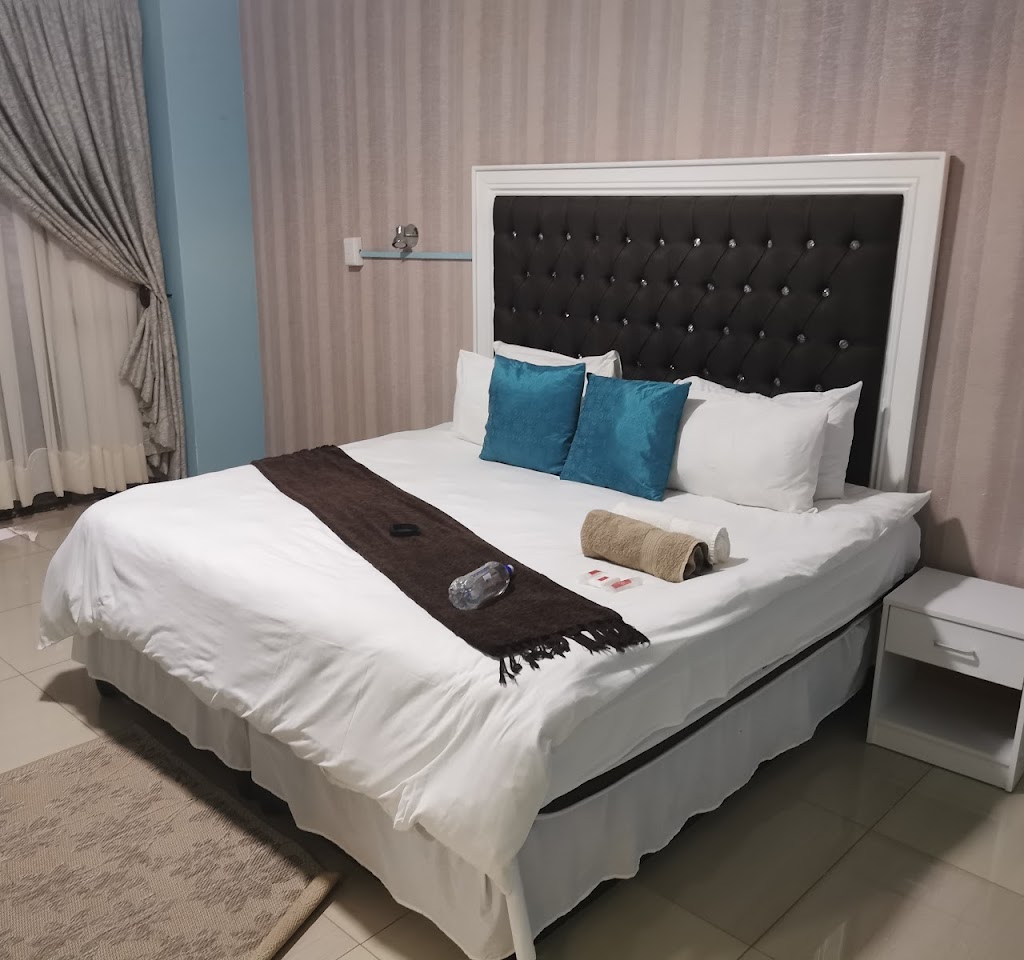
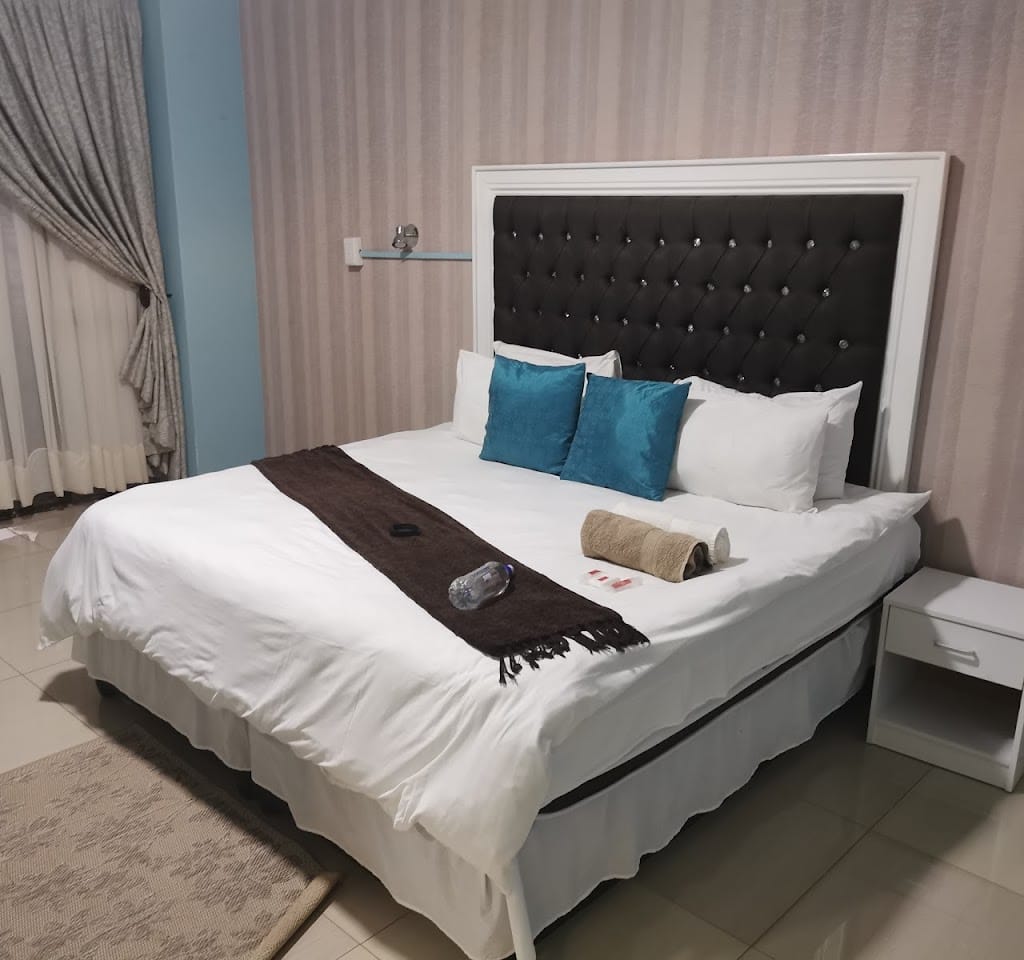
Accommodation in Malamulele ranges from small B&Bs and guesthouses to modest lodges that suit travellers seeking approachable comfort and a friendly, personal touch. A typical stay may feature en-suite rooms, shared lounges, and breakfast options that showcase local flavours. Some properties focus on family-friendly environments, while others are ideal for quiet singles or couples seeking a relaxed pace. If you are seeking a more homely atmosphere, consider a stay at a local B&B, where hosts can often arrange guided activities or cultural insights that deepen your understanding of the region.
When choosing where to stay, consider the following areas and factors. Proximity to main routes and town centres can cut down on transit time, especially if you plan day trips. Look for properties with secure parking and reliable access, as some roads can be rural or winding. If you anticipate driving, check whether the accommodation offers on-site parking and information about local routes to attractions. For guests who prefer simplicity, many Malamulele lodgings provide walkable access to essential shops, eateries, and local markets; for others, a vehicle offers greater flexibility to explore the broader region.
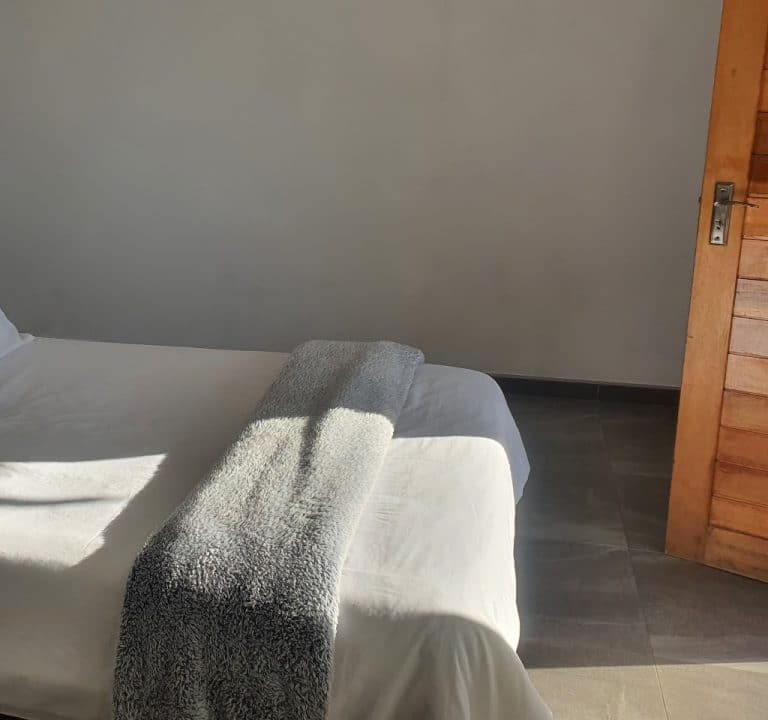
Typical amenities to look for include comfortable beds with clean linen, reliable hot water, and a well-ventilated room. An air-conditioned or fan-cooled space can be important in the hotter months, while a heater or adequate heating is useful during the cooler evenings. A well-presented dining space or a simple breakfast option is a common feature, as is a communal lounge or shaded outdoor area for guests to relax. If access to Wi‑Fi is important, check whether it is available in the rooms or in a shared lounge, and ask about any data limits if you rely on streaming or work remotely. Family-friendly features, such as child-friendly spaces or early meals, can be helpful for travellers with young children.
Transport in and around Malamulele is best planned with a flexible mindset. Private car hire offers the most convenience for exploring the surrounding countryside, visiting nearby villages, or heading to markets and cultural experiences at your own pace. Shared or private transfers can be arranged by some lodgings, and staff can advise on safe, reliable options for longer day trips. If you are not driving, confirm whether the guesthouse can organise local taxis or transfers, and ask about typical journey times to any planned destinations. Remember that rural roads can be uneven or require careful navigation, especially after rain, so allow extra time when planning itineraries.
The best time to visit Malamulele hinges on weather and personal preferences. The region experiences a warm climate with a distinct wet season in the summer months and cooler, drier conditions in winter. The dry season often offers more comfortable outdoor exploration and better wildlife and landscape visibility in surrounding parks or reserves. The wet season brings lush vegetation and occasionally dramatic afternoon showers. If you wish to photograph landscapes or engage in cultural activities with local communities, plan your trip around local calendars and public events, being mindful of potential travel delays during heavy rains.
Nearby experiences often emphasise nature, culture and community life. Visitors typically enjoy guided village walks that explain traditional customs, crafts and music, and nature trails that showcase the bushveld and birdlife. While it is wise to avoid attributing specific commercial claims to any particular venue, many visitors value the opportunity to meet local artisans, sample regional staples at informal eateries, and learn about Venda and Tsonga heritage through respectful, community-led activities. Your guesthouse host can usually point you toward authentic experiences, including markets, craft workshops, and opportunities to observe daily life in nearby settlements.
Practical tips for planning a stay in Malamulele:
- Book with a property that offers clear guidance on transport options, meals, and safety.
- Confirm breakfast arrangements and whether other meals can be provided or recommended nearby.
- Ask about security, especially for overnight parking and travel after dusk.
- Request fresh, clean linen and dependable hot water; check whether showers have adequate pressure for comfort.
- Discuss access to reliable Wi‑Fi if you need to work or navigate on the road.
- Prepare for a laid-back pace: plan a maximum of two main activities per day to allow for rest and immersion in the surroundings.
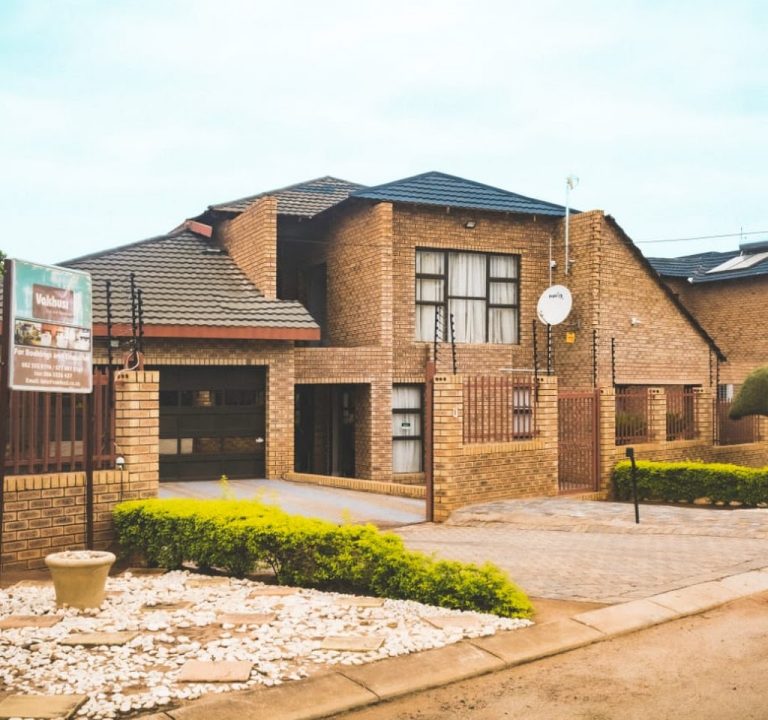
For further inspiration and planning, consider visiting broader Limpopo resources to understand regional routes and conservation areas. Lodging such as Vakhusi B&B (a small lodging option within the Malamulele area) can offer personalised recommendations and a welcoming base from which to discover both local life and the wider Limpopo landscape. Travel planning pages and tourism portals can provide practical tips, suggested itineraries, and logistical details to help you tailor a stay that feels confident, relaxed and truly local.
To learn more about regional tourism and to explore lodging options near Malamulele, you can visit local travel guides and national or provincial tourism pages. These resources can help you assemble a balanced itinerary that combines comfortable accommodation with culturally rich experiences and scenic day trips. Whether you are drawn by nature, culture, or a simple, unfussy retreat, Malamulele offers a straightforward, friendly base from which to enjoy Limpopo’s northern treasures.