Discover accommodation and experiences in Ceres, Western Cape
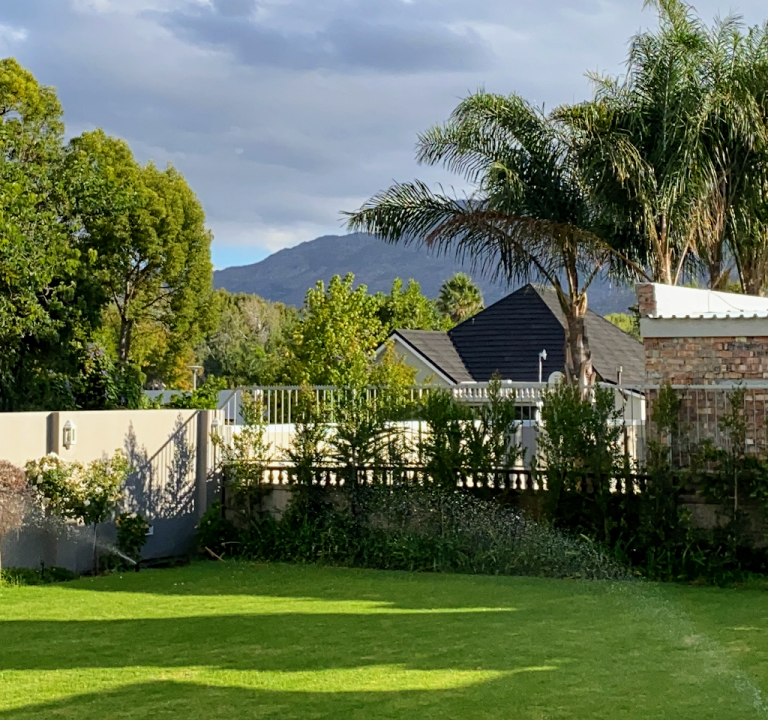
Ceres, set in the valley of the Hex River region in the Western Cape, offers a mix of countryside tranquillity and gateway access to adventure. When planning a stay, consider the character of the area you’d like to base yourself in. The town centre provides a practical hub for essential services, while nearby farms, outlying villages and scenic roads offer quieter, more rural bases. Whether you favour a family-friendly campsite, a cosy guesthouse, or a self-catering farm cottage, Ceres delivers options that suit a range of itineraries and budgets.
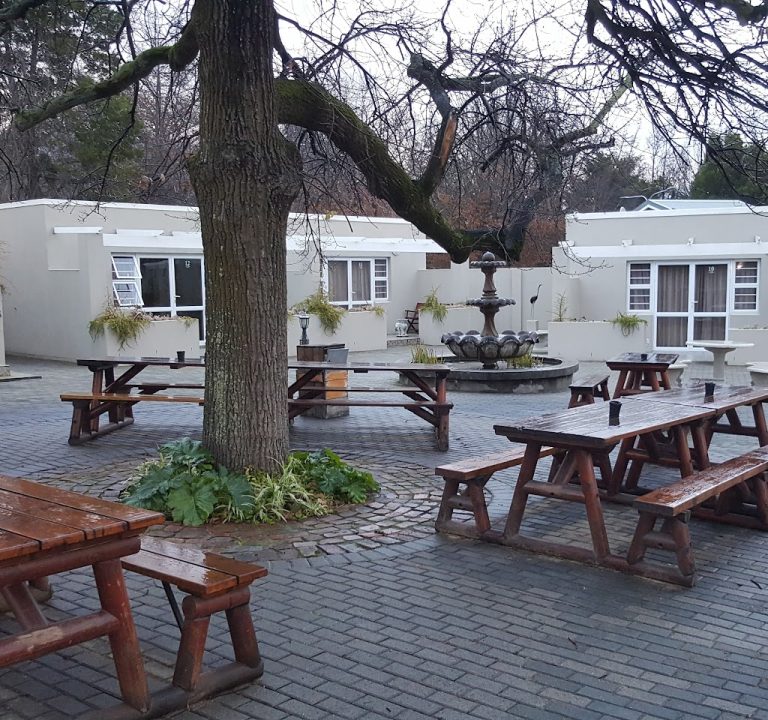
Accommodation options in Ceres span traditional guesthouses, small boutique hotels, and family-run farm stays. For those seeking a closer connection with the land, campground spaces and farm camps provide a more outdoorsy experience, often with access to fresh air, outdoor cooking facilities, and shared facilities. When choosing where to stay, consider proximity to the activities you plan to enjoy, such as hiking trails, fruit farming areas, or day trips to surrounding towns. If you are travelling with children or pets, check policies on pets, play areas, and safety on site. Look for clear information on parking, security, and whether the lodging has private entrances or communal spaces.
Typical amenities to expect include secure parking, self-catering facilities or kitchen access, clean en-suite or shared bathrooms, and options for late arrivals. In farm camps or nature-focused stays, you may find communal braai (barbecue) areas, outdoor seating, and opportunities to learn about local agriculture. Water availability, shaded spaces, and access to outdoor activity gear are also common features. For larger groups or longer stays, consider properties offering flexible check-in, room configurations for families or multi-bedroom options, and space for socialising without compromising privacy.
Transport in and around Ceres is more straightforward with a car, as the surrounding landscapes and farms are spread out. If you are relying on public transport, plan ahead and check with your accommodation about transfer options or local ride services. A self-drive itinerary allows you to explore at your own pace, including hillside viewpoints, fruit estates, and the scenic drives that weave through the valley. Some properties may offer guidance or maps to help you discover the region’s highlights, so don’t hesitate to ask on arrival.
The best time to visit Ceres depends on your activities. Spring and early summer bring pleasant temperatures for outdoor exploring, flowering orchards, and valley walks. Summer offers longer days for hikes or vineyard stops, while autumn provides cooler, comfortable conditions for scenic drives and wildlife spotting. Winter in this region can be crisp, so ensure your accommodation has adequate heating and warm bedding if you are visiting during the colder months. If you are planning farm or countryside activities, verify seasonal access and any restrictions with your host before arrival.
When planning a stay, practical tips can smooth the arrangements. Book early during peak fruit-harvest seasons or long weekends, and confirm the exact location relative to your preferred activities. If you are self-catering, check what is supplied in the kitchen facilities and whether nearby shops are within easy reach. Bring appropriate clothing for changing outdoor temperatures, sturdy footwear for trails, and a reusable water bottle for hill walks. It’s wise to have a plan for rain or chilly evenings, especially if you are staying in more rural or remote properties.
In Ceres you will find a range of local experiences that complement a stay. Agricultural heritage and farming landscapes form the backdrop for tranquil walks and easy day trips. There are opportunities to explore local markets, orchards, and farm stalls, depending on the season. For dining, many accommodations and nearby eateries focus on seasonal produce, highlighting fresh fruit, vegetables, and farm-to-table ingredients. When selecting restaurants, look for places that emphasise regional produce and seasonal menus, and consider asking hosts or guesthouse staff for recommendations on hidden gems or local favourites.
One option to consider is a campground or farm camp that blends outdoor living with the comforts of a private space. Such locations often feature lakes or water features, picnic areas, and the chance to observe countryside life up close. A dedicated farm camp and lake experience in the area offers an appealing blend of accessible facilities and immersive nature. You can learn more about Vadersgawe Exclusive Farm Camp and Lake on their official site, which outlines the setting and availability for visitors seeking an outdoor-focused stay: Vadersgawe Exclusive Farm Camp and Lake.
To help shape your itinerary, here is a concise planning checklist:
- Determine your preferred base: town centre convenience vs. rural tranquillity.
- Confirm access to on-site facilities (self-catering, bathrooms, heating) and any shared spaces.
- Assess travel time to your chosen attractions and whether a car is essential.
- Check seasonal conditions and packing lists for outdoor activities.
- Ask hosts for local dining recommendations and hands-on experiences (fruit harvests, farm visits).
Whether you are aiming for a relaxed countryside break or an active escape into the valley’s landscapes, Ceres offers a palette of accommodation styles designed to support a comfortable, unhurried stay. By choosing a location that aligns with your plans and planning ahead for transport, amenities and seasonal conditions, you can maximise enjoyment of this part of the Western Cape and its welcoming, rural charm.