Johannesburg in Comfort: Where to Stay, What to Do, and How to Plan a Memorable Visit
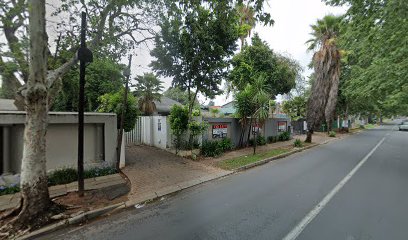
Johannesburg, or Jo’burg as it is affectionately known, offers a wide range of accommodation that suits different travel styles. From stylish boutique hotels in bustling urban hubs to comfortable guesthouses tucked into leafy neighbourhoods, you can tailor your stay to feel connected with the city’s energy or to enjoy a calmer retreat after busy days exploring. One contemporary option to consider is Uxolo Lodge, which exemplifies the mix of modern comfort and convenient access that many visitors seek in Johannesburg.
When planning where to stay, start by choosing the area based on your interests and transport needs. The northern suburbs—home to extensive shopping, business districts, and easy access to the international airport—tend to offer newer hotel properties and well-appointed guesthouses with reliable security. The central city area provides a dynamic base for those who want to be close to historical landmarks, museums, and a thriving arts scene, often with compact boutique hotels and guesthouses that bring a personalised touch to your stay. The northern and western parts of the city blend residential calm with proximity to parks and nature reserves, while areas such as Sandton and Rosebank are convenient for shopping, dining, and business travel. Soweto offers a rich cultural backdrop and guesthouses that frequently reflect local hospitality and community experiences.
In Johannesburg, what to look for when booking can make a big difference to your experience. Check the layout and room options to match your group size, and look for clear information about parking, security, and access. If you plan to drive, hotels and guesthouses that provide on-site parking or secure garage spaces are particularly helpful. For travellers relying on public transport or ride-hailing services, choose properties with easy access to main roads or transport hubs. A reliable Wi‑Fi connection is essential for planning days, uploading photos, and staying connected. If you value a bit of green space, look for properties that offer outdoor seating, a pool, or a garden area where you can unwind after a day of exploring.
Typical amenities you can expect to aid a comfortable stay include breakfast options (from continental to full hot breakfasts), daily housekeeping, en-suite bathrooms, air conditioning or ceiling fans, and a well-equipped self-catering option in some guesthouses. A 24-hour reception or on-site staff can be convenient for late arrivals or early departures. If you are travelling with family or a group, some lodges and hotels offer family suites, multiple bedrooms, or private lounge areas. For couples seeking a boutique experience, smaller properties in design-forward districts often provide intimate lounges, curated decor, and collaborative spaces that reflect Johannesburg’s creative side.
Transport in Johannesburg is well served by a combination of car hire, ride-hailing services, and rail connections. If you intend to explore beyond the immediate neighbourhood, a car can be convenient, but many travellers enjoy using Uber or similar services to move between districts, museums, markets, and restaurants. The Gautrain provides a speedy link to Pretoria and the airport from key city stations, which can be useful for day trips or onward travel. When planning day-by-day itineraries, consider starting in one base and taking day trips from there to limit long commutes and maximise your time enjoying the city’s experiences.
The best time to visit Johannesburg is generally from late spring to autumn (October to April), when the weather is mild and outdoor activities are appealing. If you prefer fewer crowds and lower prices, the shoulder seasons can also be a good choice. Summers can bring afternoon thunderstorms and heat, while winter (June to August) is cooler and drier, with clear days that are ideal for city sightseeing and outdoor markets. Pack layers, a light rain jacket for summer showers, comfortable walking shoes, and a charger for your devices so you can capture and share your discoveries as you go.
To help you plan your days, consider these practical tips:
- Match your accommodation to your priorities—central access for museums and dining, or leafy suburbs for quieter mornings and easy parking.
- Confirm the security features of the property and the level of neighbourhood safety in advance, and use a trusted transport option after dark.
- Ask about breakfast times, kitchen facilities, and laundry services if you’ll be travelling for an extended period.
- Check access to reliable Wi‑Fi and charging points in rooms or common areas.
- Plan a balanced mix of neighbourhood explorations, cultural experiences, and downtime at your accommodation.
When selecting attractions and dining experiences, you’ll find a wide range of options that cater to different interests. In addition to major museums and theatres, Johannesburg offers vibrant markets, public art, and neighbourhood food scenes that showcase South African culinary diversity. Rather than focusing on individual venues here, travel planners may browse reputable tourism resources to identify areas of interest and to read up on current events, exhibitions, and seasonal programmes. Many visitors enjoy pairing city walks with relaxed meals at restaurants and cafés that emphasise local ingredients and contemporary twists, while leaving room for spontaneous discoveries along the way.
For further planning inspiration and practical tips, you can consult official tourism resources and local guides. These sources offer suggestions on areas to explore, transport options, and general recommendations for staying safe and comfortable while enjoying Johannesburg’s dynamic atmosphere. A well-chosen base in a suitable neighbourhood will help you make the most of your stay and experience the warmth of South African hospitality during your Johannesburg visit.