Johannesburg: where to stay, explore and enjoy in Gauteng
Johannesburg, or Jo’burg as many locals call it, is a sprawling, dynamic city that pairs a rapid-fire urban rhythm with pockets of calm and culture. When planning a stay in Gauteng’s bustling economic hub, it helps to focus on a few core districts, understand practical transport options, and identify a mix of accommodation that suits your itinerary. Whether you’re here for business, culture, or a weekend break, Johannesburg offers a range of options from stylish apartments to comfortable hotels that put you within easy reach of the city’s highlights.
Accommodation in Johannesburg tends to be concentrated in several set-piece neighbourhoods. Sandton and Morningside offer a polished, business‑friendly environment with modern high-rise hotels and serviced apartments. The central cluster around the CBD (the city centre) provides a more urban, vibrant vibe with convenient access to theatres, markets and historic sites. Melville and Fortunate Park/生 new developments nearby attract a younger crowd thanks to lively dining and nightlife scenes. For a quieter stay with easy access to the northern suburbs, areas like Rosebank and Hyde Park are popular for their leafy streets, shopping centres and convenient transport links. When choosing where to stay, consider proximity to the activities you most want to do and the transport options that will get you there efficiently.
Key considerations when booking include the type of accommodation, the level of security, parking provisions, and the availability of self‑catering options. For many visitors, a serviced apartment or hotel with a flexible cancellation policy offers the right balance of comfort and practicality. Amenities to look for include reliable Wi‑Fi, on‑site dining or easy access to nearby eateries, a 24‑hour desk or concierge, and access to public transport or car hire. In central areas, you’ll find boutique hotels and modern apartments with stylish design, while the northern suburbs provide larger suites and apartments that suit longer stays or families. For any property, confirm access to secure parking if you are driving, and check whether public transport runs late into the evening if you plan dinner plans or night photography sessions in the city lights.
Transport in Johannesburg combines road travel with rail and ride‑hailing options. The Gautrain, a fast rail link, connects the airport with Sandton and Pretoria, making it a convenient choice for visitors flying into Johannesburg. Within the city, Uber and other ride‑hailing services are widely used, and several areas offer taxi services that are reliable and reasonably priced. If you plan day trips to nearby attractions or townships, consider a hotel with a shuttle service or arrange a reputable tour operator to handle transfers. Safety remains a practical consideration; as with any large city, it’s wise to stay aware of your surroundings, use reputable transport, and secure your belongings in busy areas or at night.
Best time to visit Johannesburg generally aligns with pleasant daytime temperatures and calmer crowds. Spring and autumn offer comfortable weather for exploring outdoor markets, gardens, and outdoor sculpture trails, while the city’s many museums and galleries provide delightful indoor alternatives when the weather isn’t ideal. If you’re visiting during school holidays or major events, book well in advance and be prepared for busier streets and higher accommodation demand. While Johannesburg’s climate is relatively moderate, summer thunderstorms can arrive quickly; packing a light rain layer and sun protection will help you enjoy long days outdoors.
When planning activities, consider a blend of neighbourhood strolls, culture, and food experiences. You might pace a visit with a day in the city centre to explore markets, street art and historic districts, followed by a day in a more relaxed precinct with stylish cafés and galleries. Typical attractions include world‑class museums, parks and gardens, as well as opportunities to learn about South Africa’s diverse history and communities. For dining, Johannesburg’s restaurant scene spans modern bistros, traditional eateries and international menus, with many venues offering seasonal menus and locally sourced ingredients. While exact names and prices can change, you will find that many areas boast a variety of affordable and upscale options, with tasting menus and shared plates common in contemporary dining spaces.
Practical tips for a smooth stay:
- Book accommodation with flexible cancellation and clear security measures, especially if you’re visiting for a short break or with family.
- Choose a district based on your daily plan—central areas for museums and nightlife, northern suburbs for easy shopping and parks, or quieter neighbourhoods for a relaxing base.
- Verify transport access from your accommodation, including proximity to parks, markets, or major transport hubs.
- Plan a mix of indoor and outdoor activities to balance heat, rain, or long days of sightseeing.
- Treat a short buffer day for unexpected discoveries—crafters’ markets, street art trails, and local eateries often reveal hidden gems.
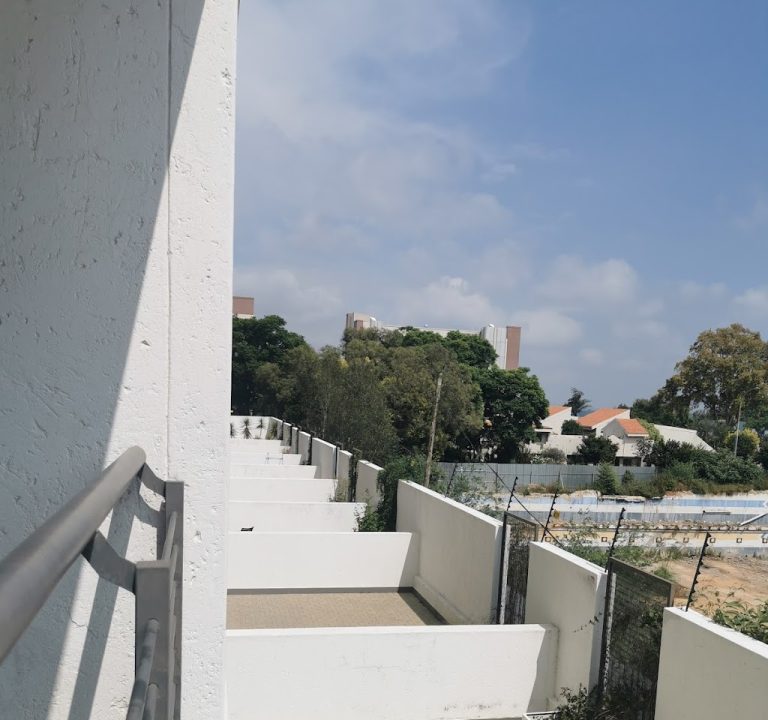
Urban Oasis Apartments at The Trywhitt stands out as a contemporary option for travellers seeking a comfortable base with the flexibility of self‑catering and a home‑from‑home feel. It offers a strategic location for easy access to business districts and cultural highlights, along with modern amenities that can support longer stays. For those who prefer a hotel‑style arrangement, many properties in the city deliver reliable service, on‑site dining, and practical facilities that make a stay convenient and enjoyable. Details about specific facilities, booking policies and links to the properties can be found on official tourism pages and the accommodation’s website.
To help you plan effectively, consider consulting official tourism resources for Johannesburg and Gauteng, which provide up‑to‑date information on attractions, events and transport options. With careful selection, a stay in Johannesburg can be a vibrant gateway to South Africa’s dynamic city life and its nearby spectrums of culture, cuisine and nature. For more information and inspiration, you can visit reputable tourism websites and the accommodation’s own site where appropriate.