Durban: Where to Stay, What to See, and How to Plan a Memorable Visit
Durban, on KwaZulu-Natal’s eastern coastline, offers a vibrant mix of sun, sea and South African culture. A stay here can be relaxed and easygoing, or bustling and city-forward, depending on the neighbourhood you choose. When planning a trip, consider the rhythm you want: beachfront mornings, leafy residential streets, or lively urban hubs close to restaurants and nightlife. Durban’s tourist-friendly transport options and a wide range of accommodation mean most travellers can tailor a stay to suit their preferences and budget.
For first-time visitors, central Durban provides convenient access to the Golden Mile promenade, historic districts, and the harbour. If you want a beach-first experience with excellent amenities, Durban’s coastal suburbs offer a mix of stylish hotels, guesthouses and self-catering apartments within easy reach of the sea. For a quieter, more residential feel with easy access to nature and hiking, inland districts and hillside areas provide green escapes while remaining within a reasonable drive of the coast. If you’re travelling with family, groups, or business colleagues, there are multi-bedroom options and secure properties that offer space and privacy without sacrificing convenience.
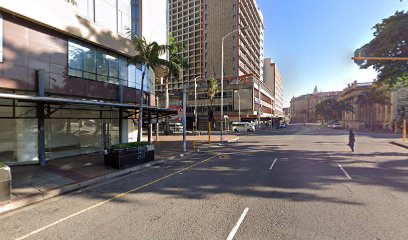
One notable example to consider within Durban’s hotel landscape is URBAN LIFE CRYSTAL HEIGHTS. While each property varies, such an urban hotel typically emphasises comfortable rooms, practical amenities, and proximity to local dining and transport links. When choosing accommodation, look for clear photos and detailed descriptions of rooms, reliable air conditioning for Durban’s subtropical climate, secure parking or easy parking access, and information about wi‑fi, housekeeping, and breakfast options. It’s also useful to check proximity to the bus or rail network and the main routes in and out of the city for day trips along the coast or inland.
Key areas to consider when booking include:
- South Beach and the Golden Mile: ideal for beach lovers and first-time visitors who want convenient access to the sea, restaurants and promenades.
- Durban Central and the Esplanade: good for travellers who want a city-centre vibe, markets, museums and proximity to public transport.
- Umhlanga and Orange Grove: close to expansive beaches, modern hotels and well-regarded dining options, with a more upmarket feel.
- Morningside and Greyville: a mix of residential streets and easy access to parks, shopping, and transport links.
- Blue Lagoon and Glenwood: convenient for a relaxed stay with cultural and culinary finds, plus leafy streets and local cafés.
When booking, consider typical hotel or guesthouse amenities that suit Durban’s climate and activities. A practical room with air conditioning or ceiling fans helps counter Durban’s humid summers. A good mattress, blackout curtains, and pleasant lighting make long stays more comfortable. Look for secure parking or easy taxi access, and inquire about breakfast options, 24‑hour reception, and on-site facilities such as a gym, pool, or garden space. For families or groups, family rooms or apartment-style layouts with kitchenettes can offer flexibility and value. If you plan to spend long days out visiting the coast or inland sights, a reliable wi‑fi connection and a comfortable workspace can also be helpful for those who need to mix in a little work with leisure.
Transport in Durban is varied and user-friendly, though planning ahead helps. The city operates a network of buses and a rail service that can connect you to key suburbs and beaches. Taxis and ride-hailing apps are widely used, making day trips to coastal towns or nature reserves straightforward. If you plan to explore the region beyond Durban, consider a hire car for maximum flexibility, particularly for trips to inland parks, hillside viewpoints, or coastal routes with scenic stops. For short stays, many guests prefer to base themselves in a central area with walkable access to cafés, markets, and beaches, then take short rides for day trips to nearby coastal towns.
Best time to visit Durban depends on preferences. The summer months (roughly October to March) are warm and humid, with frequent sunshine and the possibility of afternoon showers or thunderstorms. Winter (May to August) is mild and drier, often more comfortable for sightseeing and hiking, though beaches will be cooler. Coastal weather can be changeable, so packing a light rain shell and a sunhat is sensible year-round. If you’re keen on markets, cultural festivals and outdoor concerts, plan to align your stay with spring or autumn to enjoy pleasant temperatures while still benefitting from longer daylight hours.
Beyond accommodation, Durban offers a variety of attractions and experiences without needing to over-plan. Consider exploring the coastline’s natural beauty through scenic walks, birdwatching reserves, or coastal viewpoints. Food lovers will find a rich mix of cuisines, from traditional South African and Indian-influenced meals to modern cafés and contemporary dining, often in areas with a lively street-life scene. For families and longer stays, a gentle day-trip to nearby coastal towns or nature reserves can provide a balanced itinerary with time for beach days, shopping, and restful evenings.
Practical planning tips for a smooth stay in Durban include booking in advance during peak season, checking for accessible transport options from your accommodation to major attractions, and noting a few restaurant options for breakfast, lunch, and dinner in the surrounding area. Always keep a small amount of local currency for street stalls or markets, and have a plan for safety and pet-friendly or child-friendly spaces if that applies to your trip. With a thoughtful choice of area, a flexible itinerary, and the right mix of amenities, your Durban visit can be comfortably paced, culturally rich, and full of memorable moments.