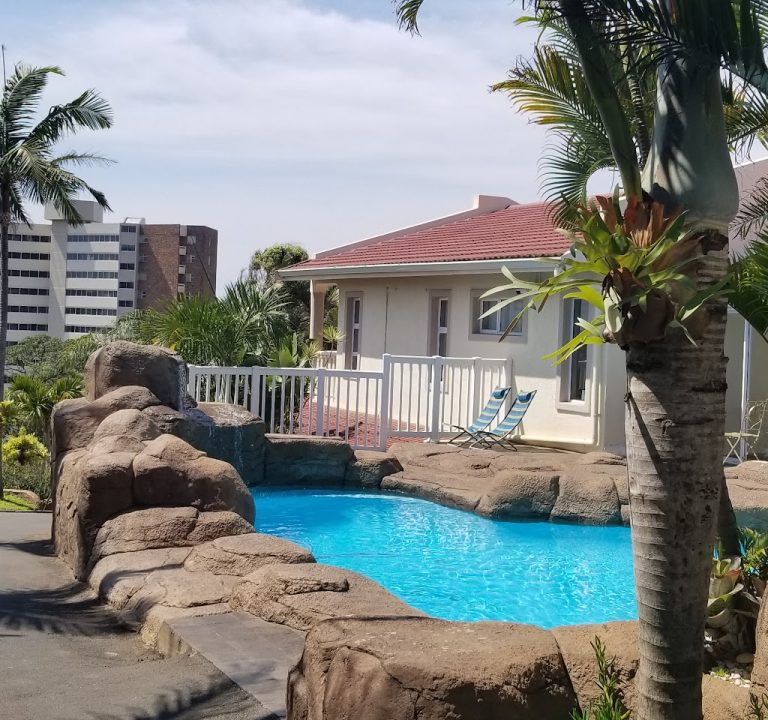
Durban: Accommodation, Attractions and Practical Tips for travellers
Durban, a dynamic coastal city in KwaZulu-Natal, combines subtropical climate, palm-lined beaches and a rich cultural mix. When planning a stay, it helps to think about what part of the city will best suit your rhythm—whether you want beachfront access with easy walking routes, a quieter residential quarter with characterful guesthouses, or a central hub close to shops and restaurants. Durban’s accommodation options range from stylish hotels and boutique guesthouses to self-catering apartments, all designed to suit different budgets and travel styles. A well-chosen base can save time on transfers and unlock easy access to both city sights and the surrounding coastline.
Areas to consider for your stay:
- Durban beachfront and Golden Mile: ideal for morning strolls, beachfront runs and quick access to seawater swimming, with many hotels and serviced apartments offering sea views.
- Berea and Morningside: a leafy residential belt with a mix of boutique guesthouses, mid-range hotels and family-friendly apartments, offering a more local, relaxed atmosphere away from the busiest seafront.
- Umhlanga and the North Coast: a polished area north of the city core, popular with visitors for its beaches, promenades and modern dining options, plus a range of upscale hotels and self-contained stays.
- Centre and Grey Street precincts: convenient for those who want street-level access to markets, cultural institutions and a wider array of eateries; great if you don’t plan to rely on car travel day to day.
- Durban South and the southern fringes: often quieter, with guesthouses and smaller hotels near nature reserves and coastal coves, appealing to those seeking a more relaxed pace.
What to look for when booking:
- Proximity to your planned activities: consider distance to beaches, markets, and the area you want to explore on foot or by taxi/ride-hailing.
- Guest amenities: good Wi-Fi, air conditioning, parking, secure access, and in-room facilities such as coffee/tea provisions and a small kitchenette if you prefer self-catering.
- Safety features: well-lit entrances, on-site reception, and clear information about local neighbourhood safety and transport options after dark.
- Transport access: whether the property offers on-site parking, and how easy it is to reach major routes, Uber/ShopDrive services, or MyCiTi public transport stops.
- Flexibility and policies: check cancellation terms, breakfast inclusions, and whether luggage storage or late check-in can be arranged.
Typical amenities you can expect in Durban stays include reliable Wi‑Fi, air conditioning or fans (Durban’s climate can be warm and humid), comfortable bedding, a well-equipped kitchenette or tea-making facilities, and daily housekeeping in many hotels and guesthouses. Restaurants and cafes are plentiful across the city, from vibrant breakfast spots to award-worthy dining rooms. While the names of specific venues can vary and new places open frequently, you’ll find a broad mix of coastal seafood eateries, modern grills, and casual eateries in most well‑established districts. For a relaxed dining plan, many visitors enjoy exploring a few neighbourhoods to sample different cuisines and atmospheres during their stay.
Best time to visit and practical planning tips:
Durban enjoys a subtropical climate with warm summers and mild winters. The peak tourist season tends to be from December to February, when beach weather is at its most reliable, but this also coincides with higher prices and busier streets. Shoulder seasons—late spring and early autumn—often offer more comfortable walking conditions, fewer crowds and better-value accommodation. If you’re visiting for a cultural experience or to explore surrounding nature reserves and coastline, plan around local events and market days to coincide with open venues and longer hours.
Practical planning tips to maximise your stay:
- Book accommodation with easy beach or promenade access if you prioritise outdoor time, or choose a central district with good transport links if you plan to explore the city’s cultural sights and markets.
- Check for parking options if you’re hiring a car; many areas offer convenient parking but some central streets have time-restricted limits, especially on weekdays.
- Arrange a few restaurant bookings in advance for peak weekends, particularly if you have specific preferences or dietary needs.
- Pack sun protection, light clothing, and a light jumper for cooler evenings, especially along the coast where sea breezes can be refreshing but breezy outside peak sun hours.
- Plan day trips to coastal towns along the KwaZulu-Natal coast or inland attractions, allowing time for travel and potential gallery or market visits.
Durban’s accessibility and warm hospitality make it a versatile destination for a short city break or a longer coastal stay. A well-chosen base—whether near the beach, in a bustling urban precinct, or tucked into a quieter residential area—can greatly enhance your experience. For an example of a modern, mid-market option, you might encounter hotels and properties that prioritise comfort, practicality and guest service, balancing stylish interiors with approachable, value-driven stays. To start planning, consult a range of official tourism resources and hotel listings, and consider a stay that blends beachfront leisure with accessible city attractions. If you wish, you can explore sample stays such as Urban Hip Hotels Pearls as a model of contemporary, practical accommodation within Durban’s diverse hotel landscape. For further information on Durban’s neighbourhoods and planning resources, see the city’s official tourism pages or regional travel guides.