Exploring Nambiti, KwaZulu-Natal: where to stay, what to see, and how to plan a memorable visit
Nambiti, tucked between the Drakensberg foothills and the vast savannah of rural KwaZulu-Natal, offers a concentrated safari experience with a choice of boutique lodges, intimate guesthouses and spacious game reserves. The area is renowned for authentic wildlife encounters, guiding traditions and a sense of wide-open space that makes even the busiest travellers feel calm and focused on the natural world. When planning a stay, consider where you want to be based in relation to wildlife activities, meal times and the pace of your days.
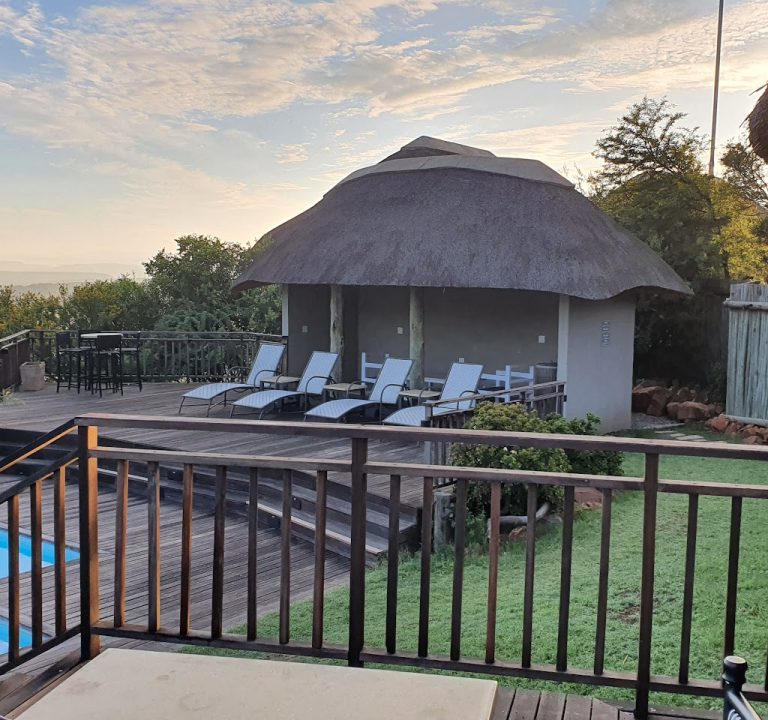
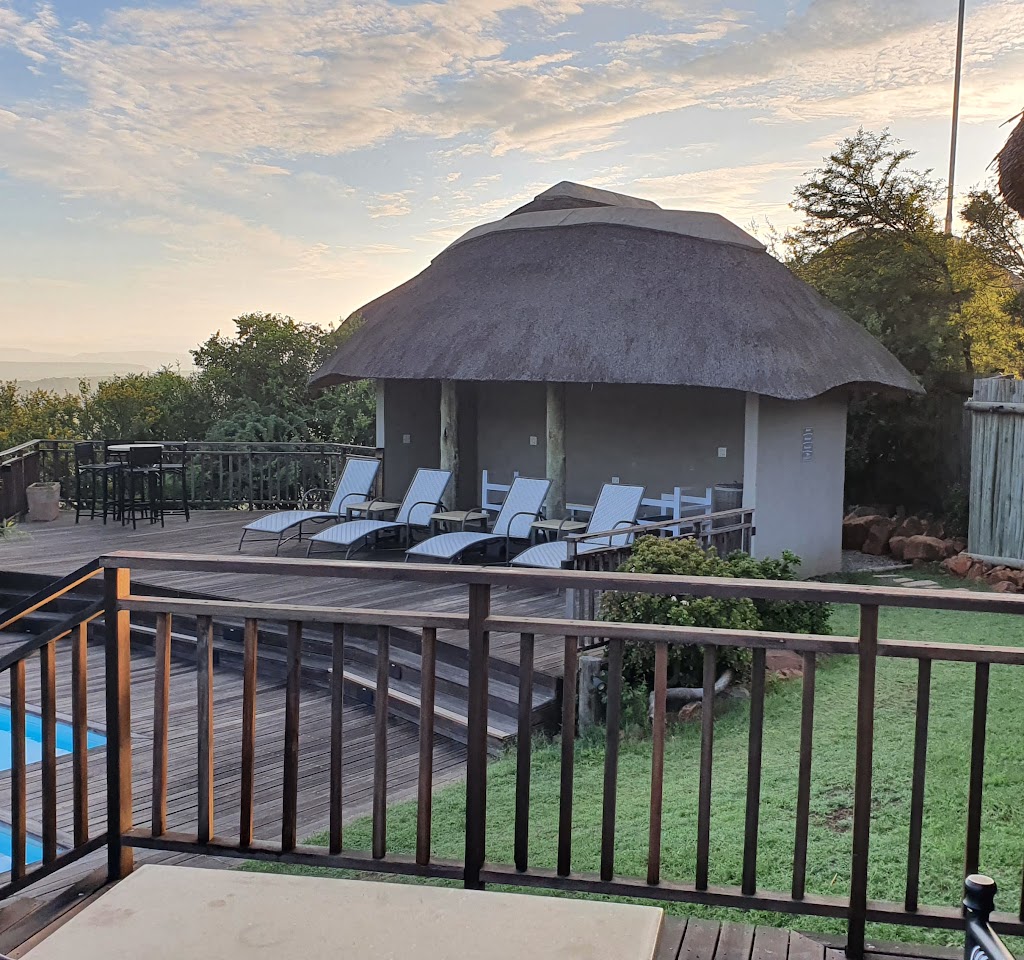
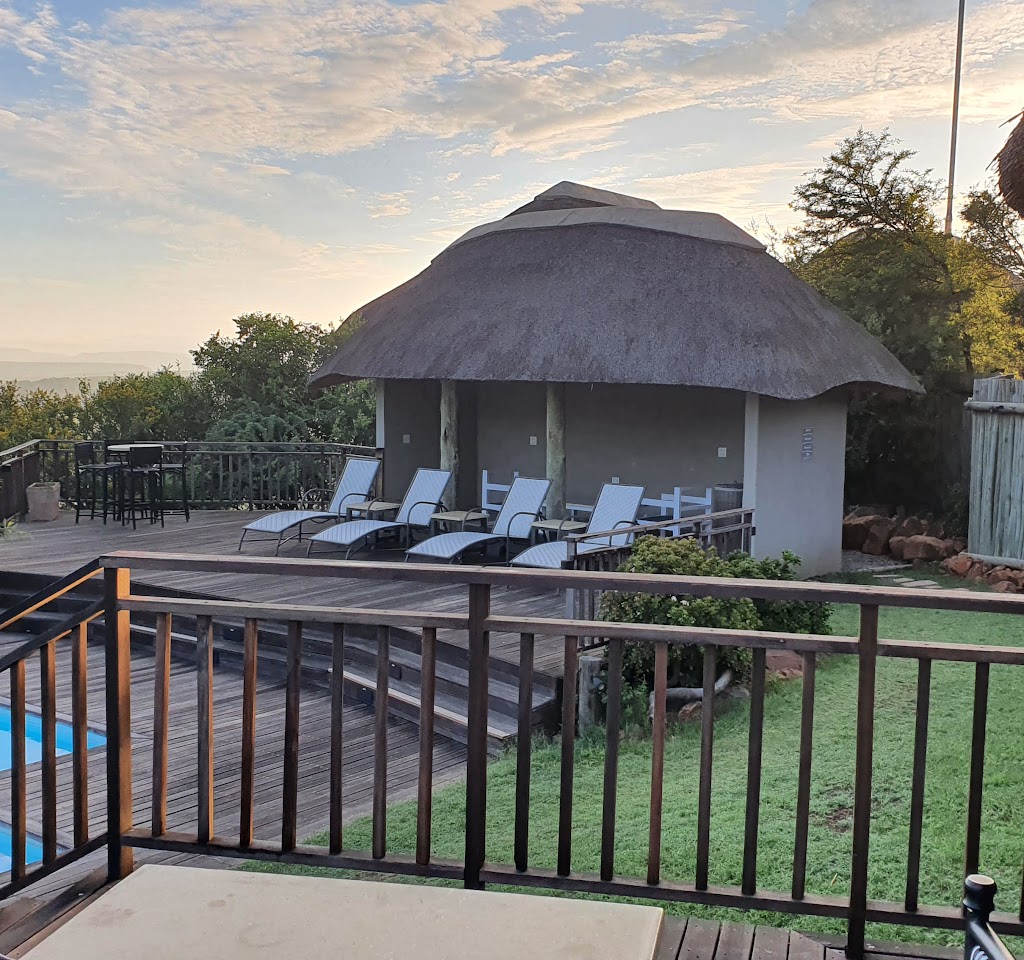
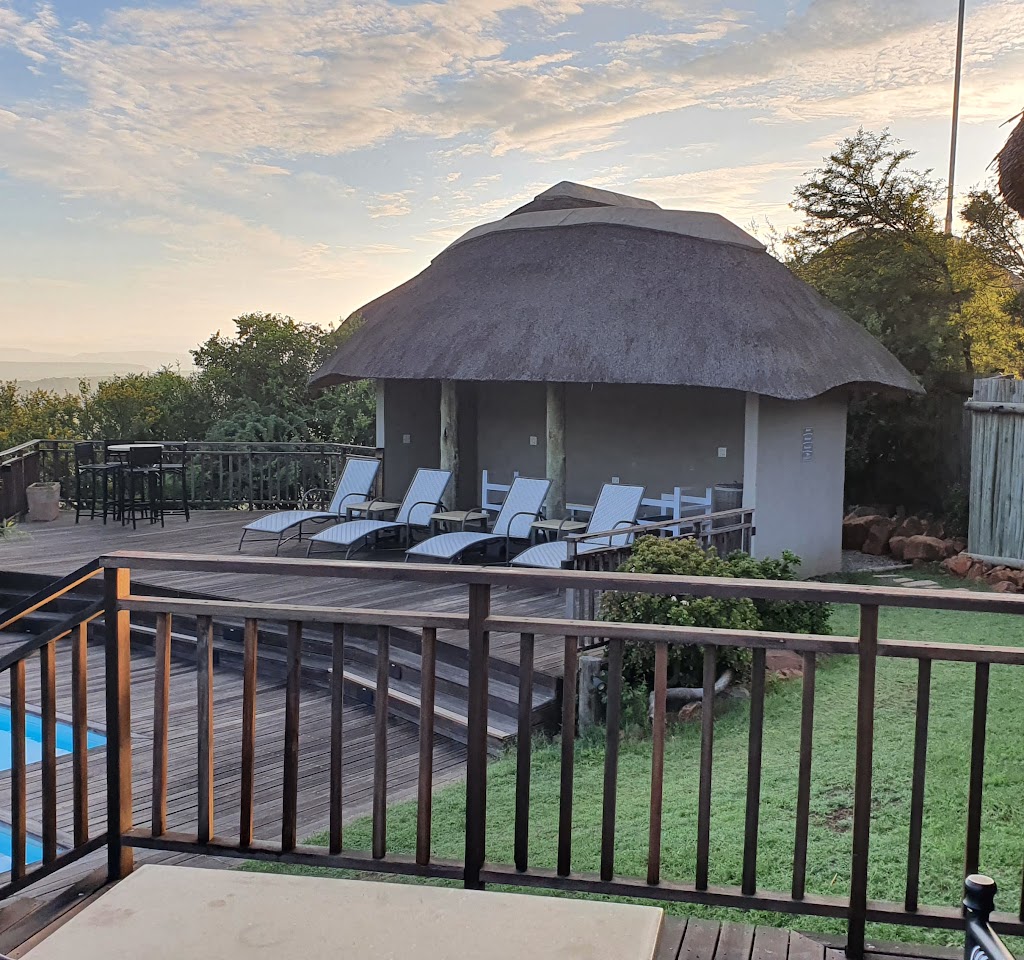
Accommodation options in and around Nambiti range from private safari lodges with all-inclusive experiences to luxury tented camps and small-scale guesthouses that offer personalised service. A good example is Umzolozolo Private Safari Lodge, which presents a quintessential safari ambience with a focus on privacy, attentive hosts and guided game drives. For guests seeking exclusive access to wildlife, rural landscapes and sunset views over the plains, such lodges provide a convenient base for daily activities and relaxation between drives.
Key areas to consider when choosing where to stay include the heart of the private game reserves, gate-access areas near the reserve boundaries, and outlying lodges that can offer a quieter retreat. Lodges inside a reserve typically provide the advantage of immediate wildlife access and on-site guides, whereas smaller guesthouses on the approach roads may offer a more intimate, homely atmosphere and easier access to local dining options and curio shops. Consider how much time you want to spend in hope of spotting particular species, and whether you prefer early-morning drives or late-afternoon safaris when animals are most active.
Typical amenities across the best-value options include en-suite bathrooms, comfortable decks or viewing areas, shaded outdoor seating, ensuite air conditioning or fans, and often a pool or plunge pool to cool down after a hot day. Meals are often a central part of the safari experience, ranging from hearty breakfasts before morning drives to multi-course dinners under the stars. Spa facilities, fitness areas, and salon services are sometimes available at higher-end properties, though this varies by lodge. Information about inclusions and outings is best checked directly with the lodge or guesthouse you’re considering to avoid any surprises.
Transport and getting around are important planning considerations. If you are flying into KwaZulu-Natal, you’ll typically arrange an onward transfer to your lodge from major hubs. Road transfers from towns with good road networks are common and can be arranged through your accommodation provider. For the more adventurous traveller, some properties offer tailored safari itineraries that cover several days with guided walks, cultural experiences and vehicle-based safaris. A driver-guided, non-self-drive approach can be ideal for first-timers, as experienced guides can enhance animal sightings and educate guests about the landscape and wildlife behaviours.
The best time to visit Nambiti depends on what you want from your safari. The dry winter months (generally May to September) tend to offer excellent game viewing as animals congregate around water sources and vegetation thins out. Summer rains (roughly October to April) bring lush scenery, audible birdsong and dramatic afternoon thunder storms, though it can be hotter and rain may influence drive schedules. The shoulder seasons offer a mix of wildlife activity and more comfortable temperatures, so consider your priorities—wildlife, weather, or fewer crowds—when booking.
Practical tips for planning a stay in Nambiti:
- Book with a reputable lodge or guesthouse that offers guided game drives, NP (nature park) experiences and a clear dining and activity schedule.
- Confirm inclusions before you book: are meals, drinks, and two daily game drives included, or are some experiences charged separately?
- Inquire about malaria risk and preventive precautions for your dates, and ensure you bring appropriate repellents and lightweight long sleeves for evenings.
- Pack adaptable clothing suitable for early mornings and evenings—layers are useful as temperatures can swing.
- Check accessibility for anyone in your party with mobility needs, as some lodges may have uneven terrain or stairs.
- Plan for rest days or flexible days in case you want longer lie-ins or a spa afternoon between safaris.
- Explore nearby non-wildlife activities and cultural experiences, but keep a buffer for wildlife drives that may be timed by dawn and dusk.
When it comes to dining and food experiences, expect a focus on fresh, local ingredients and thoughtfully prepared meals that reflect both African flavours and contemporary culinary practice. Off-site dining options may be available in nearby towns, or your lodge may arrange a private dining experience or a chef’s tasting under the stars. If you prefer a self-guided plan, you can explore regional eateries in nearby towns before or after your safari days, bearing in mind that travel times and security considerations can influence daily schedules.
Attractions in and around Nambiti are principally wildlife and nature-based. You can anticipate game drives that target the larger mammals and birds typical of the KwaZulu-Natal plains, as well as scenic views across open savannah and riverine habitats. For those who want a balanced itinerary, consider combining a couple of days on safari with light outdoor activities such as guided walks or birding sessions, arranged through your lodge or a local operator. If you plan to extend your trip beyond Nambiti, the province offers mountainous scenery, cultural heritage sites and day trips to nearby towns and reserves, all accessible by road via established routes.
To get a flavour of what is on offer, you can visit dedicated lodge pages for practical details and booking options, or explore the information pages of established safari properties. One example venue, Umzolozolo Private Safari Lodge, provides a gateway to the region’s wildlife experiences with a clear emphasis on personal service and immersive activities. For more details, you can visit http://www.umzolozolo.com/