Staying in Mkuze, KwaZulu-Natal: accommodation, sights and practical planning tips
Set beside wetlands and forests near the eastern edge of KwaZulu-Natal, Mkuze offers a compact, nature-forward stay with convenient access to wildlife reserves, birdlife and surrounding landscapes. The town itself acts as a relaxed base for visitors exploring both the Magudu area and the broader Zululand region, with a range of accommodation styles to suit different budgets and preferences. From intimate chalets to larger lodges, guests often prioritise comfortable rooms, reliable freshwater supply, secure parking and easy access to park gates or reserve entrances.
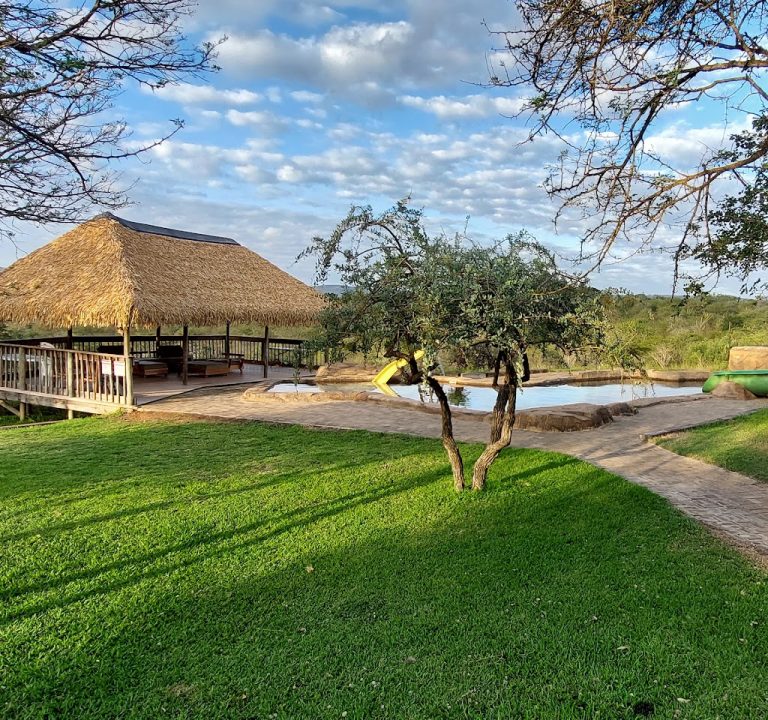
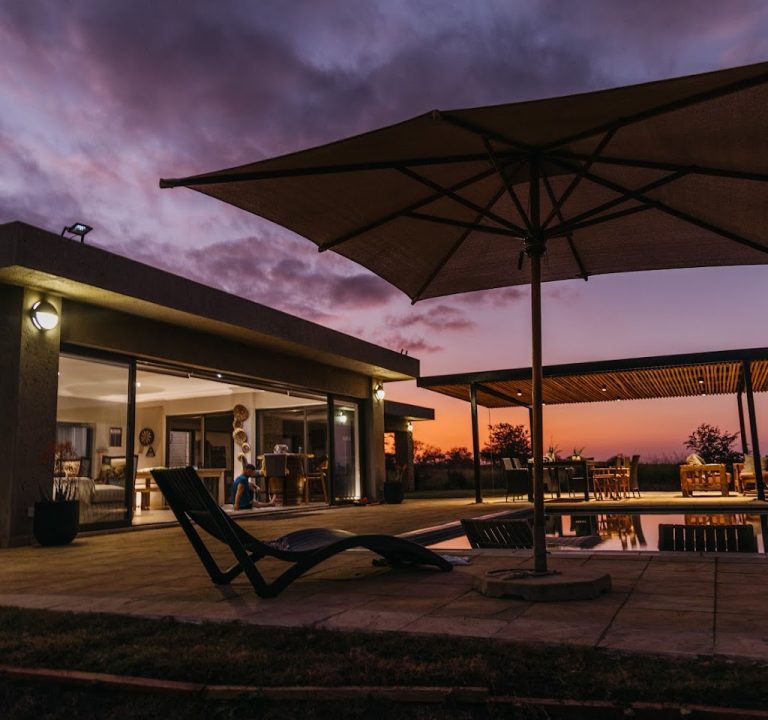
Umziki Chalets is an example of a locally oriented option that reflects the area’s warm hospitality and low-key charm. Places like these typically provide self-catering facilities or continental breakfast services, with self-contained units that make it simple to plan a flexible stay. When choosing a property in Mkuze, consider whether you want a farming- or wildlife-inspired setting, proximity to the main roads, and the level of on-site assistance offered for arranging safaris or guided walks. Some properties operate closer to nature reserves, while others are more convenient for day trips to nearby towns, markets or scenic viewpoints.
Areas to consider when planning your stay include the immediate town cluster around the central service area, where you’ll find small cafés, general stores and petrol stations, and more secluded lodges and chalets on the edge of the hinterland. If you prioritise wildlife, look for lodges that offer guided game drives, birdwatching hides or bush walks. For those who prefer a quieter environment, opt for chalets or boutique lodges set back from main routes, where you can enjoy starry skies and minimal street noise after dark.
Typical amenities to look for include secure parking, air conditioning or fans for warm KwaZulu-Natal nights, reliable hot water, and clear cleaning schedules. Wi‑Fi varies widely; some properties offer complimentary access in common areas, while others provide stronger connectivity in guest rooms. In high season, ask about meal options—self-catering units are common, but some places offer breakfast or dinner packages. If you have a vehicle, check whether the property provides easy access to gravel or tarred routes and whether there is safe storage for equipment such as binoculars, cameras or bicycles.
Transport in and around Mkuze is straightforward but can differ by season. The town functions best with a car, as public transport is limited and many attractions lie a short drive from the accommodation. If you arrive by air, the closest major hubs are typically a regional airport or drive-in access from larger towns. When planning day trips, map out the routes to wildlife reserves, viewing platforms and scenic spots, and consider the logistics of any guided experiences offered by your host or local operators. A simple, well-planned itinerary helps balance mornings in nature with relaxed afternoons back at your lodge or chalet.
The best time to visit Mkuze depends on what you want from your trip. For wildlife enthusiasts, the cooler months can be comfortable for early morning safaris, while the wetter season often attracts lush landscapes and birdlife. For birdwatchers, seasonal migrations and local species cycles provide particular highlights. If you enjoy warm weather and longer days for outdoor activities, late spring and summer offer those conditions, but be prepared for occasional showers. Always check local climate patterns ahead of your stay and pack accordingly—light, breathable layers for daytimes, a warmer layer for cooler evenings, sun protection, and a compact rain jacket can make a big difference to comfort levels.
When it comes to experiences beyond the room, Mkuze offers access to nearby reserves and natural areas where guided walks, wildlife viewing and birding are common draws. Visitors can expect general-interest activities such as nature trails, hides for viewing, and photography-friendly viewpoints. Dining options in the area range from simple eateries to more substantial restaurants; most establishments focus on approachable, hearty fare that suits travellers returning from day trips. Rather than relying on one single venue, plan flexible evenings with a mix of on-site dining and casual outings to local cafés or eateries in nearby towns.
Practical planning tips for a successful stay in Mkuze:
- Book early in peak seasons and confirm what is included in your rate (meals, guided activities, equipment storage).
- Ask about animal-spotting opportunities and the preferred times for safaris or bush walks.
- Check the accessibility of your accommodation from the main roads and whether you require high-clearance or 4x4 for certain routes.
- Inquire about power supply and backup arrangements, especially if you stay in more remote properties where outages can occur.
- Plan a balanced itinerary that includes wildlife experiences, rest periods by a pool or balcony, and time to explore nearby towns or markets.
For ideas on venues, practical tips and current links, you can explore general tourism resources for KwaZulu-Natal or Zululand and browse the websites of individual properties for details on rooms, facilities and seasonal packages. Whether you’re seeking a cosy chalet experience, a wildlife-friendly lodge, or a comfortable base for exploring the broader region, Mkuze offers a grounded retreat with easy access to nature and authentic Zululand hospitality.