Staying in Empangeni: accommodation, attractions and practical planning tips
Empangeni sits on the north coast of KwaZulu-Natal, a convenient starting point for exploring both the Zululand hinterland and the coast. Visitors typically choose accommodation in the town centre or in quieter riverside or golf-course fringe areas. The town is convenient for day trips to nearby Richards Bay, the beaches along the Dolphin Coast, and inland attractions such as nature reserves and rural villages. When planning a stay, consider what pace you want—easy access to shops and eateries in town, or a more tranquil base on the edge of green spaces and water features.
Areas to consider for an overnight or longer stay include:
- Town centre and harbour-adjacent zones, which offer easy access to basic services, markets and casual dining.
- Riverside areas and suburbs with quiet streets, typical in guesthouses and boutique hotels, often with scenic views or close proximity to nature reserves.
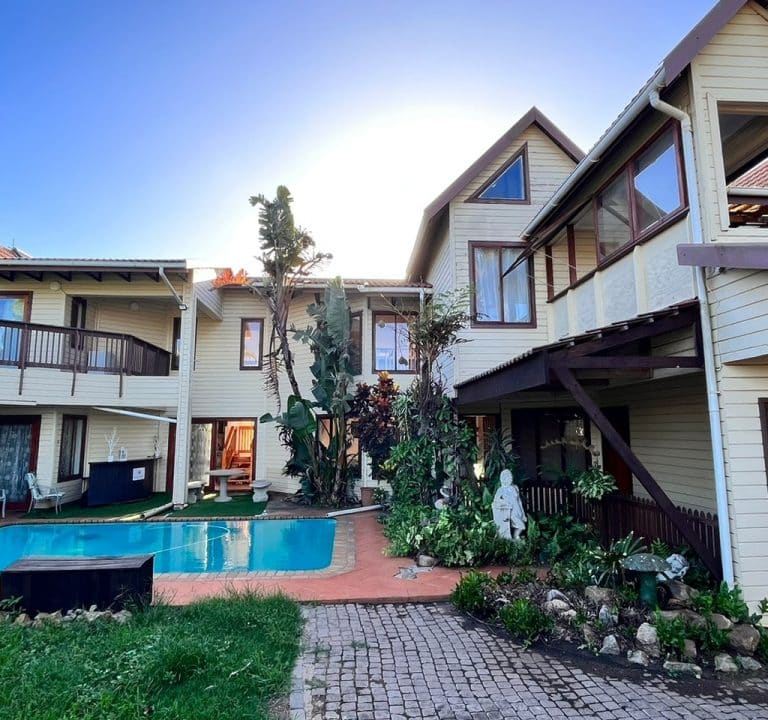
- Golf-course fringe districts, where lodges and boutique stays may offer notable amenities such as pools, on-site dining and secure parking.
- Short drives to Richards Bay for broader dining options and beaches, while returning to a calmer base in Empangeni for restful evenings.
What to look for when booking a stay in Empangeni includes простability and comfort. Check if your accommodation offers:
- Reliable air-conditioning or ceiling fans, particularly in the warmer months, and good insulation for comfortable nights.
- Secure parking and straightforward access to main roads for day trips.
- Complimentary breakfast or kitchen facilities if you prefer self-catering options.
- Free or affordable wifi, essential for planning daily activities or staying connected during a longer break.
- On-site leisure facilities such as a pool or outdoor seating, which can be a nice wind-down after a day of sightseeing.
Transport in and around Empangeni is best undertaken by car. The town sits along the N2 corridor, making day trips to Richards Bay, the coast, or inland reserves feasible. If you are not driving, enquire about local shuttle or taxi options, and check how close your lodging is to any bus routes or railway stations. If you plan to visit coastal beaches or nature reserves, morning departures can help you beat crowds and heat, especially in peak seasons.
Best time to visit Empangeni tends to align with the wider KwaZulu-Natal coastal climate. The dry season from late autumn to winter (roughly May to August) brings cooler evenings and lower humidity—pleasant for exploring outdoor markets, reserves and coastal scenery. Spring and autumn offer mild temperatures for outdoor activities, while the summer months are warmer with higher humidity and the potential for afternoon showers. Consider the season when booking activities such as river cruises, birdwatching, or outdoor dining, and pack layers for cooler evenings.
Practical tips for a smooth stay:
- Book in advance during peak school holidays and long weekends to secure preferred locations and room types.
- Read guest reviews focusing on cleanliness, staff responsiveness, and how the property handles security and parking.
- Confirm breakfast arrangements, kitchen access, and any on-site dining options to plan meals around your itinerary.
- Ask about accessibility features if needed, such as single-level rooms, lifts, or ramps.
- Plan for day trips to nearby coastal beaches, nature reserves, and cultural or historical sites; check opening times and recommended travel routes.
Attractions and experiences, in broad terms, can be enjoyed in and around Empangeni and the wider Zululand area. Expect opportunities to observe abundant birdlife and river landscapes, stroll along coastal paths near the bay, and gain insight into local culture through markets, crafts and community events. Nearby coastal towns offer beaches suitable for safe swimming and family-friendly activities, while inland routes can reveal rural scenery and traditional Zulu hospitality. For an enhanced stay, look for guided tours or experiences that focus on nature, local cuisine, or crafts, ensuring you support community-based initiatives and small businesses.
When it comes to dining, expect a mix of casual eateries and family-friendly restaurants serving seafood, grilled dishes, and contemporary Zulu-inspired cuisine. Rather than attempting to pin down individual venues, aim to dine where locals linger during evenings or where your accommodation hosts can recommend a reliable option with consistent service and good value. If you have specific dietary needs or preferences, communicate these in advance to your host or restaurant staff.
For planning convenience, many travellers book through hotel chains, guesthouses, or B&Bs that offer a clear set of amenities and easy cancellation policies. Look for properties with clear directions, contemporary room layouts, and staff who can provide practical tips for navigating the area, including the best beaches, markets, and scenic viewpoints. If you prefer curated experiences, your host or concierge can often arrange recommended activities or day trips to make the most of your Empangeni visit.
Useful resources for planning and inspiration include official tourism sites for KwaZulu-Natal and regional guides, which can offer maps, event calendars, and suggestions for day trips. Always verify current travel advisories or local guidelines before you travel, and enjoy the balance of comfort, natural beauty and warm KwaZulu-Natal hospitality that Empangeni has to offer. For more ideas and practical information, you may wish to explore further details at regional tourism portals or your chosen accommodation’s website.