Accommodation and Experiences in Tugela Mouth, KwaZulu‑Natal
Tugela Mouth sits along the South African coast where the Tugela River meets the Indian Ocean, offering a tranquil base for visitors exploring KwaZulu‑Natal’s coastline. The area is known for a laid‑back pace, natural scenery, and a handful of guesthouses, lodges and small camps that blend into the landscape. When planning a stay here, consider both the practicalities of a coastal, rural setting and the slower‑paced rhythms that make Tugela Mouth attractive for nature lovers, families and travellers seeking a relaxed break.
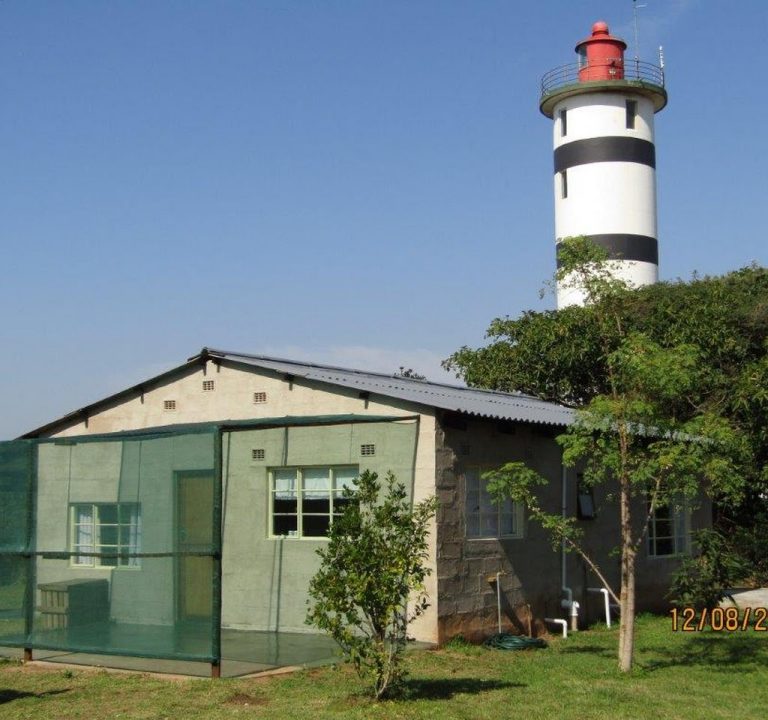
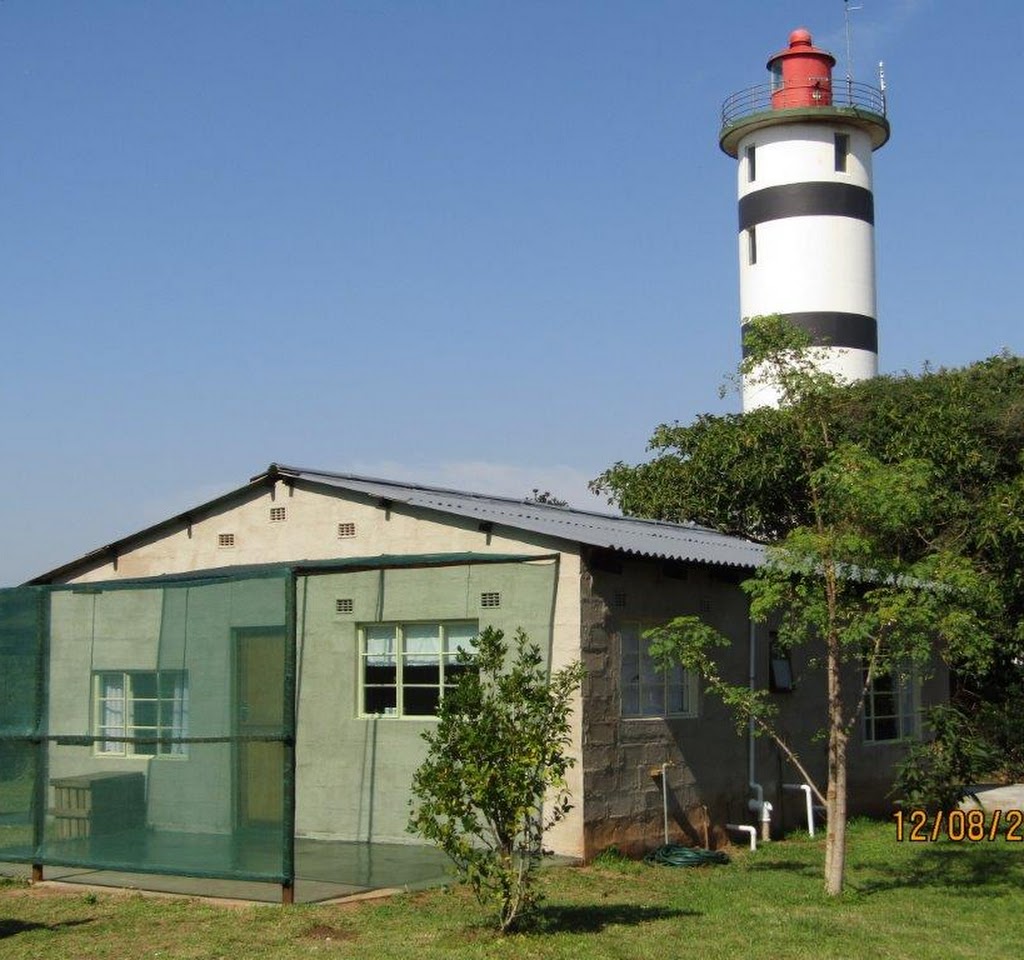
Where to stay depends on how you want your days to unfold. Tugela Mouth Lighthouse Bushcamp and similar lodges provide a gateway to the estuary, tidal flats and beaches. Ranging from self‑catering cabins to bungalow‑style rooms, accommodation typically emphasises practical, comfortable spaces with easy access to outdoor activities. If you prefer more privacy, look for standalone units with private decks or verandahs; for larger groups or families, family rooms or self‑catering apartments can offer flexibility and value.
Booking considerations are best framed around location, amenities and the season. Core questions to ask when you book include: how close is the lodging to the beach and the estuary, what is the access like at high tide, and what are the loading and parking arrangements for vehicles, boats or caravans? Check whether the property offers Wi‑Fi, laundry facilities, a kitchenette or self‑catering options, and if meals are available on site or nearby. In coastal KwaZulu‑Natal, you may find lodges with outdoor spaces, braai (barbecue) facilities, and shaded seating areas that make the most of sea breezes and gardens.
Typical amenities to expect in Tugela Mouth include well‑equipped kitchens or kitchenettes, clean and comfortable bedding, and reliable hot water. Some properties may offer limited housekeeping, local guidance on wildlife or birdwatching, and access to nature walks. If you are arriving with children, confirm child‑friendly features such as safe play areas, cots or high chairs, and the availability of a kitchenette for simple meals. For travellers on longer stays, proximity to supermarkets or basic shops can be convenient, though much of the appeal here is the ride‑along discovery rather than extravagant comforts.
Transport in Tugela Mouth is best planned with a flexible mindset. Public transport options are limited in rural coastal KwaZulu‑Natal, so many guests rely on a rental car or a guided tour arrangement. A car offers the freedom to explore the surrounding beaches, nature reserves and small coastal communities at your own pace, especially when tides influence access to certain spots. If you prefer not to drive, check whether the property offers shuttle services or can help arrange local taxis or guided day trips. When you plan your day, consider the tides and the weather, as estuary walks and river crossings can vary with the sea state.
The best time to visit Tugela Mouth aligns with the region’s maritime climate. The summer months bring warmer days and more turquoise water, typical of KwaZulu‑Natal’s coastal season. Winter can be mild, with cooler mornings and evenings, which some travellers prefer for walking and birdwatching along the estuary. For those keen on seasonal wildlife or bird activity, ask about local spotting opportunities and any accessibility notes on beaches or estuary trails during different times of the year. Pack layers, sun protection, and a light rain jacket, as coastal weather can change quickly.
Practical planning tips for a smooth stay:
- Ask about parking and entry arrangements, especially if you arrive late or with a boat or kayak.
- Confirm kitchen facilities and whether breakfast or other meals are included, as this can influence daily planning and costs.
- Check porch or outdoor seating availability for sunrise or sunset moments by the coast.
- In coastal towns, plan for occasional lighter services outside peak holiday periods; some facilities may close briefly between seasons.
- Bring insect repellent and sun protection, and be mindful of local wildlife on coastal walks.
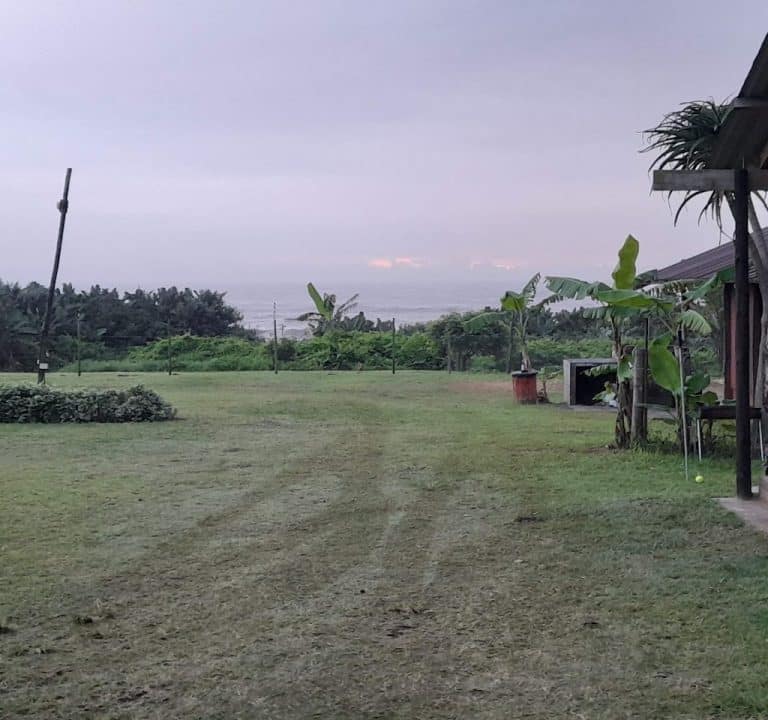
Attractions and experiences in general terms reveal the region’s appeal without tying claims to specific businesses. Expect opportunities to explore expansive beaches, estuary wetlands that attract birds and wildlife, and scenic walks along coastal trails. The area is well suited to nature lovers, photographers and families seeking relaxed days by the water. For dining, you’ll find casual eateries and local cafés that focus on fresh, regional produce and informally curated menus; the emphasis is on unpretentious meals that reflect the coast and nearby countryside. If you wish to dine out, use local recommendations or tourism sites to identify places that match your style, budget and timing, rather than pre‑booked, claim‑heavy venues.
If you are compiling a itinerary, consider pairing Tugela Mouth with nearby coastal towns and nature reserves that are accessible by road. A balanced plan might include morning estuary walks or birdwatching, followed by a relaxed lunch and an afternoon on the beach or a gentle hike. Evenings can be spent on your lodging’s veranda, listening to the sounds of the coast, or exploring small local markets and informal eateries where you can sample regional flavours.
For more inspiration and practical planning resources, consult regional tourism pages and local lodging websites. These can help you identify current accommodation options, suggested routes, and seasonal highlights. When in doubt, contact your chosen property to confirm exact access, facilities and any seasonal restrictions. Tugela Mouth offers a tranquil coastal escape with a focus on simplicity, natural beauty and a gentle pace—an ideal combination for travellers seeking time by the sea and a flavour of rural KwaZulu‑Natal life. For further ideas and official guides, you may visit KwaZulu‑Natal’s tourism portals and related travel resources at reputable tourism websites.