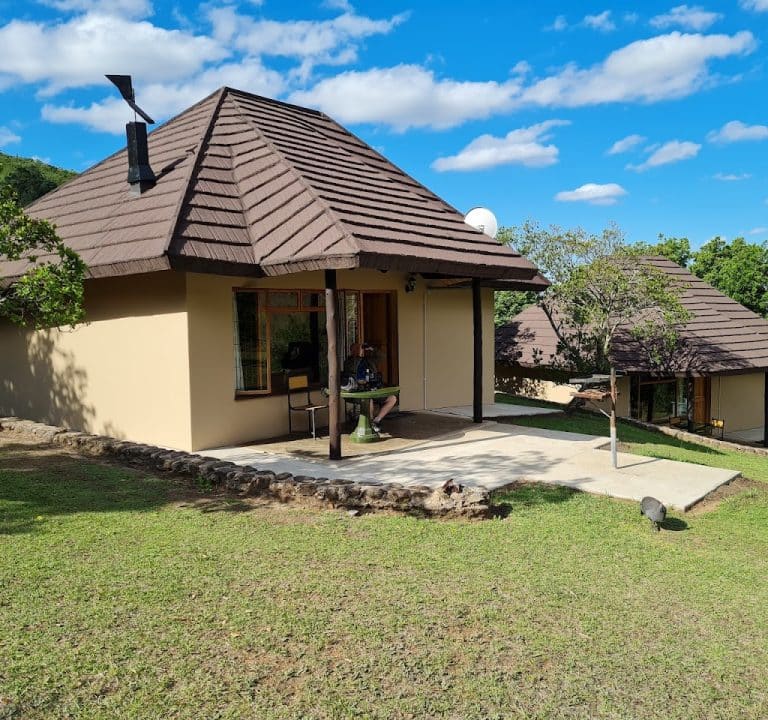
Bonjaneni, Kwa-Zulu Natal: accommodation planning, attractions and local dining
Nestled near the dramatic scenery of the Tugela River basin, Bonjaneni offers a quiet base for travellers exploring the northern Kwa-Zulu Natal region. The area combines tranquil rural charm with access to vertiginous landscapes, rolling hills and a subtropical climate that makes outdoor activities appealing most of the year. When planning a stay, consider the spread of smaller guesthouses, bed & breakfasts and country lodges that characterise Bonjaneni, rather than just large hotels. These properties tend to foreground personalised service, local knowledge and a slower pace that suits nature-focused itineraries.
Accommodation in Bonjaneni ranges from intimate bed & breakfasts to cosy guesthouses that blend rustic styling with modern comforts. Expect clean, comfortable rooms with en-suite facilities, private entrances or verandas, and communal spaces designed for socialising or relaxing after a day outdoors. Many properties offer hearty, home-cooked breakfasts featuring locally sourced produce, which can be a good way to start a day of hiking, birdwatching, or cultural excursions. Some stays may also provide complimentary Wi‑Fi, secure parking, and on-site conveniences such as small cafés or tea areas, making them practical options for longer visits.
When choosing where to stay, think about how you plan to spend your days. If you intend to explore Tugela Falls and the surrounding landscape, a property with easy access to main approach routes, vehicle parking and short drives to trailheads can reduce daily planning friction. For a more immersive visit, look for hosts who can suggest scenic viewpoints, guided walks, or community-led experiences in nearby villages. For families or groups, a larger room or a private unit with a kitchenette can offer flexibility and cost savings. If you are travelling solo, a welcoming guesthouse with a shared lounge or common area may provide opportunities to meet other travellers and exchange tips on local sights and eateries.
Practical planning tips help you get the most from a Bonjaneni stay. Transport in and around the area is typically by car or organised tours; public transport options are limited in some rural parts, so arranging a transfer or car hire in advance is prudent. If you plan to visit peak natural attractions, consider an early start to enjoy cooler temperatures, quieter paths, and better light for photography. The best time to visit is generally determined by weather and rainfall patterns—spring and autumn offer mild temperatures for hiking, while summer brings lush scenery and potential showers. Pack layered clothing, sturdy footwear for uneven grounds, and sun protection for outdoor activities. A small daypack, bottled water and basic snacks can be invaluable for longer excursions or transect walks in remote areas.
Food and drink are part of the Bonjaneni experience. Local dining options tend to emphasise fresh produce and regional flavours, with menus that range from traditional favourites to lighter fare for walkers and day-trippers. If you are staying in a guesthouse or lodge, you may encounter excellent breakfast offerings and the chance to request packed lunches for day trips. While there are no large-scale restaurant guides published specifically for Bonjaneni in every season, guests often find friendly, family-run establishments and informal eateries that reflect Kwa-Zulu Natal’s hospitality. It is worth asking hosts for recommendations on where to sample regional dishes, café lunches, or take-away options close to your accommodation.
Attractions in and around Bonjaneni are best approached with a flexible plan. The surrounding countryside provides opportunities for scenic drives, short nature walks, birdwatching, and photography of riverine landscapes. For those seeking cultural insights, local villages can offer crafts, music and storytelling experiences that give a sense of daily life in the region. If your itinerary includes key natural landmarks, allow for variable conditions and consider a guided outdoor activity for safety and interpretation. While specific attractions aren’t listed here by name, your hosts can point you to well-timed vantage points, seasonal viewpoints, and routes that suit your fitness level and interests.
Booking considerations to keep in mind include the character of the property, access to facilities (such as private parking, wifi, or self-catering options), and cancellation policies that reflect travel flexibility. Verify the proximity of your accommodation to the sights you want to visit and confirm what is included in your stay—breakfast, daily housekeeping, or optional guided activities. If you have mobility considerations, check on room layouts and access, ensuring there are suitable ground-floor options or lift access where needed. Finally, read recent guest reviews to gauge the consistency of comfort, responsiveness of hosts, and any practical tips that guests have learned from their stays in Bonjaneni.
In planning a stay, an overall approach that blends nature, culture and relaxation tends to yield the best experience. Bonjaneni rewards travellers who move at the pace of the landscape, allowing a balance between restful mornings, mid-day exploration and leisurely evenings. Whether you choose a snug bed & breakfast with a garden outlook, a country guesthouse with a veranda for sunsets, or a small lodge with friendly regional knowledge, be prepared for a stay that emphasises personal connections, simple comforts and the serenity of Kwa-Zulu Natal’s northern highlands.
- Choose accommodation with easy access to main routes and reliable parking.
- Ask hosts for local hiking tips, viewpoints and nature walks suited to your interests.
- Pack for variable weather: layers, sun protection, and sturdy footwear.
- Plan a balanced itinerary with mornings for outdoor time and afternoons for rest or cultural experiences.
- Check breakfast and meal options, and whether packed lunches are available for day trips.