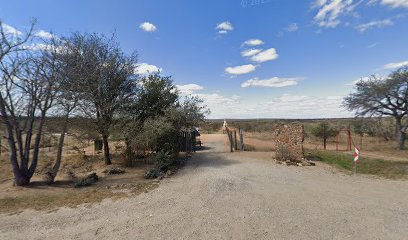
Tshukudu Bush Camp is a Self-catering accommodation establishment in Hoedspruit, Limpopo, South Africa
About Tshukudu Bush Camp: A haven for nature, learning and timeless bushveld charm
Tshukudu Bush Camp sits on a private reserve in Hoedspruit, Limpopo, offering a distinctive blend of adventure, nature and warm, familial hospitality. Described as more than a wildlife sanctuary, it is portrayed as a living classroom under the African sky, where guests can engage with wildlife experiences ranging from guided game drives to intimate encounters with local fauna. The atmosphere emphasises conservation, community and the enduring story of a family-run camp that invites visitors to become part of its ongoing narrative.
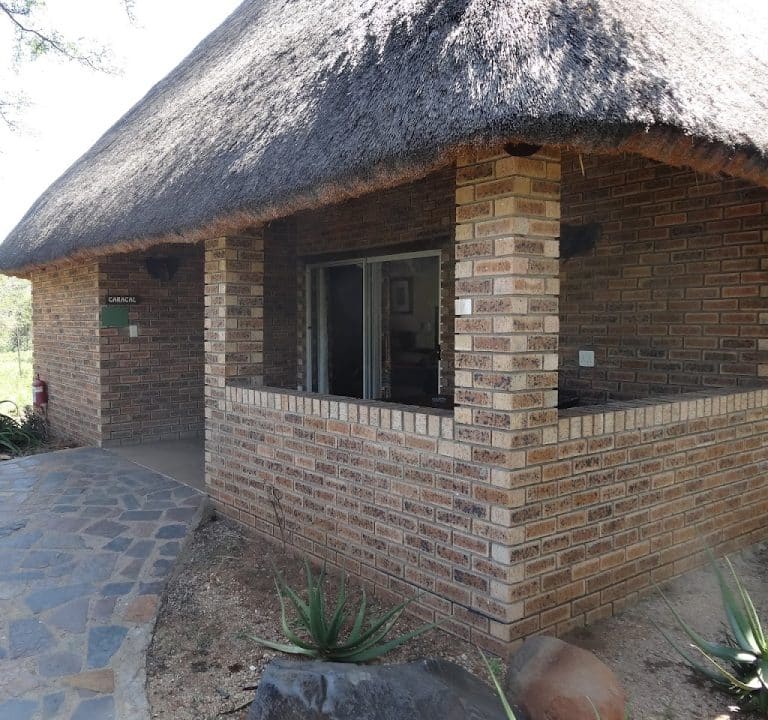
Accommodations at Tshukudu are designed to balance comfort with immersion in the bush. The camp features a trio of well-appointed cottages, each with its own character and layout. The Lion Cottage and the Wild Dog Cottage each offer two bedrooms and two bathrooms, with a large veranda that encourages relaxed al fresco moments after the day’s explorations. The Leopard Cottage provides a more intimate option with one bedroom and an en-suite bathroom, complemented by a veranda that offers vantage points for animal activity at dawn or dusk. Prices are published on the camp’s site as per-person per-night rates, reflecting an approachable offering for groups and families seeking a bushveld stay that feels both comfortable and authentic.
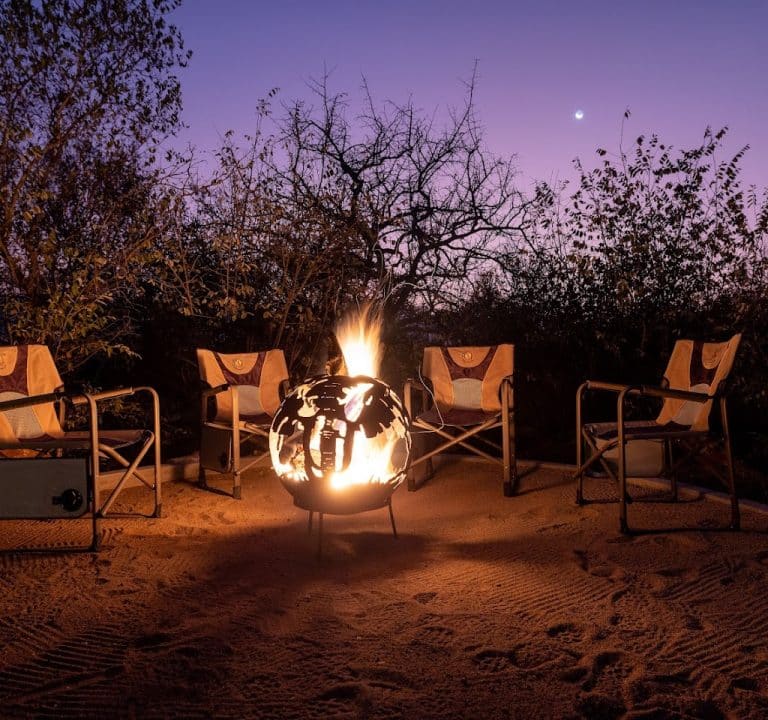
In terms of the practical side of living in the bush, Tshukudu recognises the need for convenience without compromising the wild experience. The camp highlights several guest-focused features, including air-conditioned cottages to maintain comfort in hot Limpopo summers, and central facilities designed for shared use. A fully equipped communal kitchen supports self-catering needs, while a cozy fire in the boma and central indoor and outdoor dining areas foster sociable evenings beneath the stars. For visitors seeking modern connectivity, DSTV and Wi‑Fi are available in the central area, ensuring that those who wish to stay connected can do so without interrupting the immersion in nature.
Families and groups are thoughtfully accommodated with facilities such as a children’s playground and a pool, alongside practical support from staff who assist guests as needed. The Wildlife Viewing Platform provides a dedicated space for observing animal activity, and the camp’s architecture and layout are designed to be easy to navigate, with wheelchair-friendly access to ensure inclusivity for a range of travellers.
Beyond the physical spaces, Tshukudu’s offering is amplified by its programme of experiences. Guests are invited to participate in guided game drives and bush walks as well as educational activities designed to deepen the understanding of conservation and wildlife management. The camp positions itself as a centre for nature-based learning, with a reputation for engaging visitors, from families to school groups, in meaningful conversations about Africa’s biodiversity and the importance of protecting it for future generations.
Positioned as a gateway to the heart of the bushveld, Tshukudu is well placed for travellers seeking close encounters with the landscape and its inhabitants without stepping far from comfortable surroundings. The surrounding area—the Hoedspruit region of Limpopo—is known for its wildlife reserves and proximity to wildlife viewing experiences, while Tshukudu itself offers a more intimate, less commercial alternative to larger safari operations. The camp’s ethos centres on a relaxed pace, intimate sightings and personalised attention, making it a suitable base for both solo travellers seeking serenity and families looking for shared exploration.
For those planning a stay, the camp’s structure supports a range of tripotypes. The cottages accommodate couples, families and small groups, with private veranda spaces that invite evening game viewing from the comfort of one’s own retreat. The on-site facilities also support longer, multi-day awakenings with options for conservation talks, interactive wildlife experiences and river days as part of structured programmes. The educational camps further extend Tshukudu’s reach, offering immersive learning opportunities for school and youth groups that tie together outdoor adventures with classroom-style exploration—an appealing feature for educators and young explorers alike.
Nearby highlights emphasise enriching experiences rather than bustling urban attractions. Guests frequently encounter a rich tapestry of wildlife and birdlife, with opportunities for guided encounters and self-guided bush walks that reveal the rhythms of the Lowveld. The on-site Animal Viewing Platform provides a front-row seat to animal activity, while the surrounding bushveld landscapes invite quiet contemplation, photography and a respectful appreciation of Africa’s wild heritage.
Booking and travel tips help optimise a Tshukudu stay. Prospective guests can explore room-specific details and rates on the camp’s website, with the option to view all rooms and learn more about accommodation types. For those planning an educational or group visit, the dedicated programmes and offers page outlines available educational camps and tailored courses, designed to complement school curricula with hands-on experiences in conservation, game management and nature study. Practical considerations include the availability of a communal kitchen and dining options to support flexible mealtimes, along with the comfort of air-conditioned spaces during warmer months. A well-planned visit often combines a few days on site with curated game drives and bush walks, allowing time to absorb both the wild energy of the reserve and the familial warmth that characterises Tshukudu’s approach.
In summary, Tshukudu Bush Camp presents a thoughtful, family-run escape that blends adventure with education, comfort with wilderness, and a deep connection to conservation. It is well suited to families, couples and school groups seeking a meaningful, mente-friendly bush experience in one of South Africa’s most storied wildlife regions. With comfortable cottages, engaging activities and a clear commitment to sustainable hospitality, Tshukudu invites visitors to write the next chapter in its ongoing story of nature, learning and African heart.
- Rooms: Lion Cottage (2 bedrooms, 2 bathrooms), Wild Dog Cottage (2 bedrooms, 2 bathrooms), Leopard Cottage (1 bedroom, en-suite)
- Amenities: air-conditioned cottages, central dining areas, communal kitchen, pool, children’s playground, Wi‑Fi and DSTV in the central area
- Experience focus: guided game drives, bush walks, conservation talks, educational camps
- Best for: families, couples, and school or youth groups seeking immersive bushveld learning
- Booking tips: view room details and rates on the official site; explore educational programmes for tailored visits
Hoedspruit
Limpopo
South Africa


Staying in Hoedspruit: where to base your safari and how to plan a memorable visit
Hoedspruit sits at the edge of the Limpopo bushveld, offering a gateway to renowned wildlife reserves, scenic landscapes, and a relaxed rural pace. When planning a stay, think about what you want most from your trip: easy access to game viewing, a self-catering option for flexibility, or a more intimate bush experience close to nature. The town itself has a handful of guesthouses, lodges and self-catering camps, with Tshukudu Bush Camp standing out as a family‑run, self‑catering option that blends comfort with an authentic wildlife setting.
Accommodation in Hoedspruit generally falls into a few categories. Self-catering huts and cottages are popular for travellers who want to come and go on their own schedule, prepare meals at their leisure, and enjoy a slightly more affordable base from which to explore. Family-friendly camps often provide communal kitchens, outdoor dining spaces and kid-friendly features, making them ideal for multi-generational trips. If your budget allows, lodges with guided game drives, wildlife viewing platforms and on-site dining can simplify logistics and heighten the sense of immersion in the reserve environment.
When selecting where to stay, consider the following areas and what they offer:
- Near the wildlife reserves or private game‑viewing areas for easy morning safaris and sunset drives.
- In or around Hoedspruit town for convenient access to shops, restaurants, and transfers without long transfers from the airport.
- In smaller bush camps that prioritise connectivity with nature, where activities such as guided walks, night drives and conservation talks are commonly arranged.
Typical amenities you’ll encounter include air‑conditioning or fans, private or shared kitchen facilities, Wi‑Fi in central areas, and outdoor spaces such as verandas, bomas or pools. Self‑catering options like Tshukudu Bush Camp provide fully equipped communal kitchens and barbeque spaces, with the added convenience of comfortable cottages and a central dining area for socialising after a day in the bush. Family facilities, such as play areas or child-friendly trails, can also feature in many properties, making a Hoedspruit stay suitable for travellers with children.
Practical planning tips for your stay:
- Book early for peak travel periods, particularly in school holidays and dry season, when wildlife sightings are at their best and rooms fill quickly.
- Check the level of guidance included with your booking. Some camps offer active wildlife experiences with experienced guides, while others operate more independently with self-guided activities.
- Assess access and transport options. A car is often the most flexible way to explore the surrounding area, though some camps offer transfers or tour arrangements. If you intend to join guided drives, confirm the schedule and whether these are included or charged separately.
- Review cancellation policies and check what is included in the rate—daily housekeeping, laundry services, and the availability of firewood can all affect overall value and convenience.
- Pack for mixed weather. The dry season (winter months) can be cooler at night, while the wet season brings higher humidity and afternoon showers. Good layering and a light waterproof are wise additions.
Best time to visit Hoedspruit depends on your priorities. The dry season, typically from May to September, is excellent for wildlife viewing as animals gather around water sources and vegetation is thinner. The shoulder seasons can offer quieter parks and pleasant temperatures, while the wet season brings lush scenery and abundant birdlife, though some drives may be mud‑affected. If you’re combining a stay with visiting the greater Kruger ecosystem or private reserves, align your dates with the park’s opening hours and any seasonal activity schedules offered by your accommodation provider.
In terms of experiences, Hoedspruit serves as a convenient base for a range of activities. Game drives and bush walks arranged by camps provide intimate encounters with the region’s flora and fauna. From nature reserves to animal viewing platforms and conservation education programmes, there are opportunities to learn about the bushveld and its ecosystems. For those who enjoy dining out, the area offers a handful of eateries and eateries within reach of most guesthouses and lodges; many travellers also enjoy the social ambience of a camp’s central dining area after a day of exploration. While prices and menus vary, you can expect respectful service, local flavours and a relaxed pace that suits a safari holiday.
For accommodation with a hands‑on, home‑from‑home feel, consider Tshukudu Bush Camp, a self‑catering option that emphasises comfort alongside an immersive bush experience. The camp highlights features such as air‑conditioned cottages, a fully equipped communal kitchen, and shared indoor and outdoor dining areas. It also offers practical touches like a children’s playground, a pool and an animal viewing platform, all designed to keep you connected with wildlife while ensuring practical comfort for families and groups. Accessibility features and staff assistance further enhance the overall stay, providing a balance between independence and support during your safari adventure. You can explore their offerings and booking information at their official website.
When planning to visit Hoedspruit, balancing accommodation, transport, and activities will help you get the most from your trip. Choose a base that aligns with your desired pace—whether you want a secluded bush retreat with self‑catering convenience, or a guided lodge that handles many logistics for you. With a little preparation and an openness to the bush’s rhythms, Hoedspruit offers a compelling blend of wildlife, scenery andSouth African hospitality that is well suited to travellers seeking a memorable South African safari experience.
Sorry, no records were found. Please adjust your search criteria and try again.
Sorry, unable to load the Maps API.
Why Claim Your Listing?
Claiming your listing on the B&B Finder directory website is a valuable opportunity for business owners. Here are five reasons why you should consider claiming your listings:
Control Over Business Information: By claiming their listing, business owners can ensure that all the information presented is accurate and up-to-date. This includes details such as contact information, address, pricing, and available services or amenities. Accurate information helps prevent customer confusion and improves overall satisfaction.
Enhance the Listing: Once a listing is claimed, owners can enhance it by adding more comprehensive information and rich media, like high-quality photos and videos. These additions can make the listing more attractive and engaging to potential customers, thereby increasing the likelihood of bookings.
Marketing Opportunities: Claiming a listing can also open up additional marketing opportunities. Owners may be able to participate in promotional campaigns, special offers, and other marketing activities organized by the directory. This can increase visibility and attract more customers to the business.