Staying in Pretoria: accommodation options, attractions and practical tips for visitors
Prestwich, Groenkloof, and the central diplomatic precinct are among the areas travellers often weigh up when planning a stay in Pretoria, the capital city of South Africa. Pretoria offers a mix of serviced apartments, guesthouses, boutique hotels and larger hotels, many with easy access to the city’s embassies, government precincts and leafy suburbs. When choosing where to stay, consider proximity to your planned activities, the type of experience you want (quiet residential comfort vs. bustling city centre), and how you will move around.
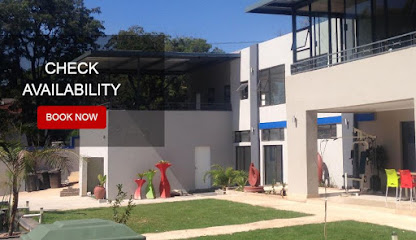
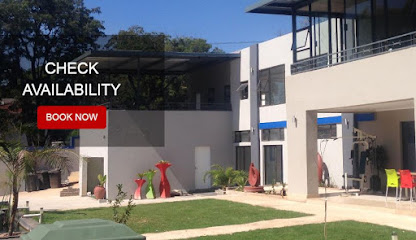
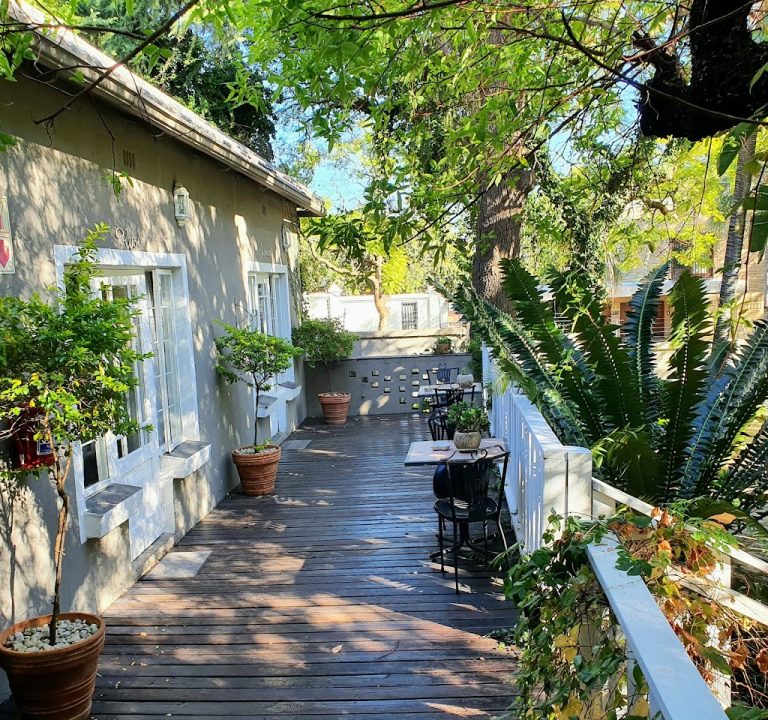
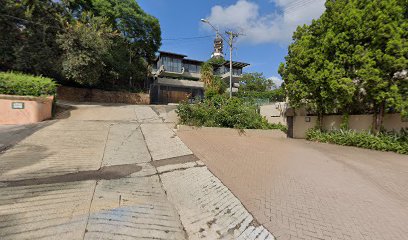
For visitors seeking a comfortable home-from-home, serviced accommodation can be a practical choice. These properties typically combine the convenience of a hotel with the flexibility of a self-contained flat, including a living area, kitchenette or kitchenette facilities, and often on-site reception or weekday housekeeping. A good serviced option can be a reliable base for business trips, weekend breaks or group getaways, especially if you value privacy and space. An example of this category is Tshedza Guest House, a serviced accommodation provider located within easy reach of central Pretoria. You can explore its details and booking options on their website: Tshedza Guest House.
When selecting accommodation, look for the following features to ensure a comfortable stay. Firstly, assess the room layout and noise levels— Pretoria’s suburban streets can be serene, but city areas may experience early morning traffic or late-night activity. A well-insulated room, quality beds, and blackout curtains help guests rest well. Secondly, check for practical amenities: reliable Wi‑Fi, adequate storage, cooking facilities if you prefer self-catering, and convenient on-site facilities such as a lounge, communal kitchen, or laundry. Thirdly, consider security and access: well-lit entrances, secure parking, and clear guest procedures often translate into peace of mind. Finally, transparency around cancellation policies and the availability of flexible dates can be important, particularly during peak travel seasons.
Areas to consider include central Pretoria for easy access to business districts and museums, eastern suburbs for leafy residential vibes and parkland, and northern districts that connect to highways and regional attractions. If you value a quiet stay with garden surroundings, look for properties within secure neighbourhoods or with well-maintained gardens. For a more energetic stay, central locations or hotel options near cafés, bars and cultural venues may suit you. Regardless of the area, verify nearby transport options and the ease of reaching your planned sites without relying solely on taxis after dark.
Transport in Pretoria is well supported by the Metrorail, Gautrain connections, and an expanding network of rideshare options. If you plan to explore beyond the city centre, a car can be convenient, though many visitors are happy to rely on private transfers arranged through their accommodation, as well as local taxi services. If you prefer public transport, check the proximity of your lodging to a Gautrain station or bus routes, and plan your day to avoid peak commuter times where possible. For shorter trips, walking and cycling are pleasant in certain areas with tree-lined streets and parks, but always consider safety and lighting for evening strolls.
Best time to visit Pretoria is generally during the South African autumn (March to May) and spring (September to November), when the weather is mild and the city’s gardens and parks are at their most pleasant. Summers can be hot with thunderstorms, while winters are typically cool and dry. If you plan outdoor activities such as nature reserves, botanic gardens, or safaris in nearby regions, check seasonal openings and weather forecasts to optimise your schedule.
Beyond the accommodations, Pretoria’s attractions offer a gentle blend of history, culture and nature. The city is known for its impressive botanical gardens, interesting museums, and stately architecture. Day trips can include a visit to large city parks, nature reserves, and viewpoints that showcase the surrounding landscapes of Gauteng. It’s worth setting aside time to explore the city’s green spaces and its diverse dining scene. For those who enjoy a relaxed evening, many areas feature a mix of casual eateries and finer dining options, with menus influenced by both local flavours and international trends.
Practical tips to enhance your stay:
- Book accommodation with clear directions and a host or front desk available for questions about local transport and dining recommendations.
- Check if the property offers late check-in, and understand the check-out process to avoid any last‑minute stress.
- Review nearby supermarkets, cafés and takeaway options so you can plan meals without lengthy detours.
- Ask about parking arrangements if you are driving, including whether street parking is restricted or if the property provides secure spaces.
- Original local experiences can add real flavour to your trip; consider guided neighbourhood strolls, markets or cultural venues that align with your interests.
When organising a stay in Pretoria, aim to balance comfort with convenient access to the city’s cultural heart and its green escapes. With a range of accommodation styles—from serviced apartments to guesthouses—and a city that blends historic charm with modern amenities, visitors can tailor a stay that fits both budget and preference. Always read recent guest reviews and confirm the inclusion of essential comforts, such as reliable Wi‑Fi and secure entry, to ensure your Pretoria visit is as smooth as possible.