KwaMhlanga, Mpumalanga: Accommodation, dining and practical tips for a traveller
Nestled in Mpumalanga, KwaMhlanga offers a convenient base for travellers looking to explore a region rich in landscapes, culture and mobility-friendly routes. The town provides a mix of guesthouses, small hotels and self-catering options, many of which aim to deliver comfortable stays with easy access to local amenities. When planning a visit, consider how your stay will best align with your itinerary—whether you want a quiet base to unwind, easy access for day trips, or straightforward transport links to neighbouring towns and attractions.
Areas to consider when choosing a stay include proximity to main roads, town centres and petrol stations, and access to curtained-off parking or secure spaces if you are travelling with a vehicle. Some properties cluster near central amenities, while others sit within residential zones that offer a little more tranquillity. If you value a quick hop to shops or casual eateries, look for accommodation close to the town’s core or along well-travelled routes. For a more tranquil retreat, you might opt for lodges or guesthouses set a short distance from the bustle, yet still within easy reach of essentials.
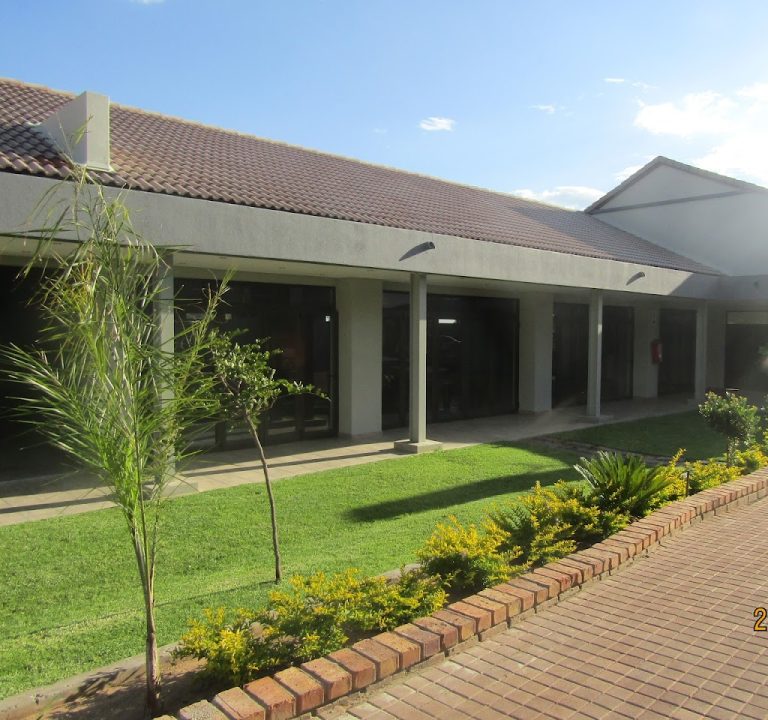
Typical accommodation types you may encounter include simple guesthouses with shared or private facilities, boutique-style hotels with en-suite rooms, and self-contained flats or cottages. Common amenities to look for include reliable Wi-Fi, secure parking, daily housekeeping, and a functional kitchen or tea-and-coffee making facilities. If you have particular needs—such as accessibility, space for families, or a quiet work area—check property descriptions and guest reviews carefully before booking.
Transport is a practical consideration in KwaMhlanga. If you are hiring a car, verify parking arrangements and whether there are short-term or on-street parking restrictions. For those preferring not to drive, some accommodations can assist with local transfers or arrange day tours. The surrounding region is networked by regional roads, so many visitors find a vehicle the most flexible option for exploring nearby natural spaces, markets and small towns. When planning travel between towns or to rural areas, factor in potential delays and keep a light itinerary to avoid rushing between sights.
Best time to visit KwaMhlanga depends on your preferences. The area experiences a warm climate in the warmer months, with cooler periods in the winter. If you favour outdoor activities and wildlife-watching, you might aim for the transitional seasons when weather is generally pleasant. For travellers who want to align their trip with local events or markets, keeping an eye on regional calendars can help you time your stay to experience the cultural atmosphere of Mpumalanga alongside your chosen activities.
Practical planning tips:
- Read recent guest reviews to gauge the consistency of cleanliness, service levels and staff responsiveness.
- Compare room configurations and check if en-suite facilities meet your needs, especially for families or groups sharing space.
- Assess access to laundry facilities if you’ll be staying for an extended period.
- Ask about breakfast options and whether dietary requirements can be accommodated.
- Check how flexible the booking policy is, including any cancellation terms or changes to plans.
- Estimate travel times to planned activities and consider whether a car is essential for your itinerary.
Where to stay in KwaMhlanga can influence your experiences just as much as the attractions themselves. If you prefer close proximity to shops, cafés and casual eateries, a stay within or near the town centre is convenient for daytime explorations and spontaneous meals. For a more immersive pace, look for smaller establishments on quieter streets, perhaps with garden spaces or courtyards that offer a peaceful retreat after a day of sightseeing.
Beyond accommodation, Mpumalanga holds a breadth of experiences that can complement a stay in KwaMhlanga. In general terms, travellers may discover opportunities for nature walks, birdwatching, countryside scenery and cultural exchanges that reflect local communities. For dining, expect simple, comforting meals in town-based venues, with options that range from traditional street-food-inspired dishes to more relaxed dining rooms offering familiar favourites. When planning meals out, it helps to have a flexible mindset—many places welcome walk-ins, but popular options may benefit from prior reservations, especially during peak seasons or weekends.
If you are seeking activities nearby, you could plan nature-oriented days that showcase the broader Mpumalanga landscape. Look for guided walks, scenic drives and community-led experiences that offer insights into the area’s ecology and heritage. Museums, local markets and craft outlets often provide a tangible sense of the region’s history and daily life. While exact attractions and names will depend on your specific dates and interests, KwaMhlanga serves as a practical starting point for exploring a diverse and welcoming corner of Mpumalanga.
For further inspiration and practical planning, you might consult official travel resources and regional tourism sites. Booking platforms typically offer property descriptions, photographs, and a sense of what to expect upon arrival. If you prefer to stick with a recognisable format, you can browse a range of accommodation types—from modest guesthouses to hotel-style rooms—to see what best suits your travel style and budget.
Ultimately, a stay in KwaMhlanga can balance comfortable accommodation with accessible opportunities to explore Mpumalanga’s broad appeal. Whether you are seeking a simple, well-appointed base for day trips or a cosy retreat after long days of sightseeing, thoughtful planning around location, amenities and transport will help ensure a satisfying visit. For those with mobility or family considerations, prioritising space, parking and convenient access will pay dividends in comfort and ease throughout your stay.