Where to stay and what to do in Pietermaritzburg, KwaZulu-Natal
Pietermaritzburg, the capital of KwaZulu-Natal, combines colonial charm with evergreen hills and welcoming hospitality. Whether you prefer a cosy bed-and-breakfast, a stylish boutique guesthouse, or a self-contained apartment close to the city core, there are comfortable options to suit a range of budgets and travel styles. A well-planned stay often pairs a central base with easy day trips to the surrounding landscapes, inviting you to soak up history, culture and outdoor beauty without long drives.
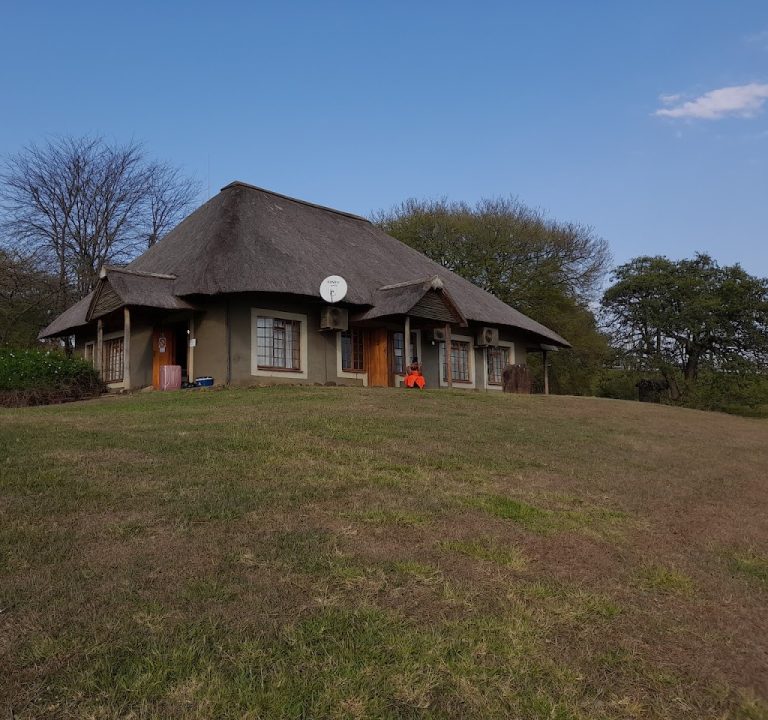
Accommodation in Pietermaritzburg tends to fall into a few familiar categories. Bed-and-breakfast establishments typically offer a home-from-home atmosphere, with a hearty breakfast starter to the day and personalised service. Guesthouses and boutique hotels provide a little more privacy and a higher level of finish, often with private parking and on-site dining or lounge spaces. For families or longer stays, self-catering apartments or small lodges combine flexible layouts with access to kitchens, lounges and outdoor spaces. Consider your priorities—parking, breakfast inclusion, or quieter garden settings—when choosing where to stay.
When planning your visit, think about areas that suit your itinerary. The city centre provides convenient access to museums, historic architecture, markets and trams or taxis for short hops to nearby attractions. Suburban pockets offer more peaceful stays, with leafy streets, secure parking and direct routes to larger nature reserves or university-led cultural venues. If you’re drawn to greenery and walks, you may prefer a base closer to hills or parkland, while foodies might choose a location within easy reach of casual eateries and artisan cafés. Check how far your preferred sights are and whether public transport or a car will make daily plans smoother.
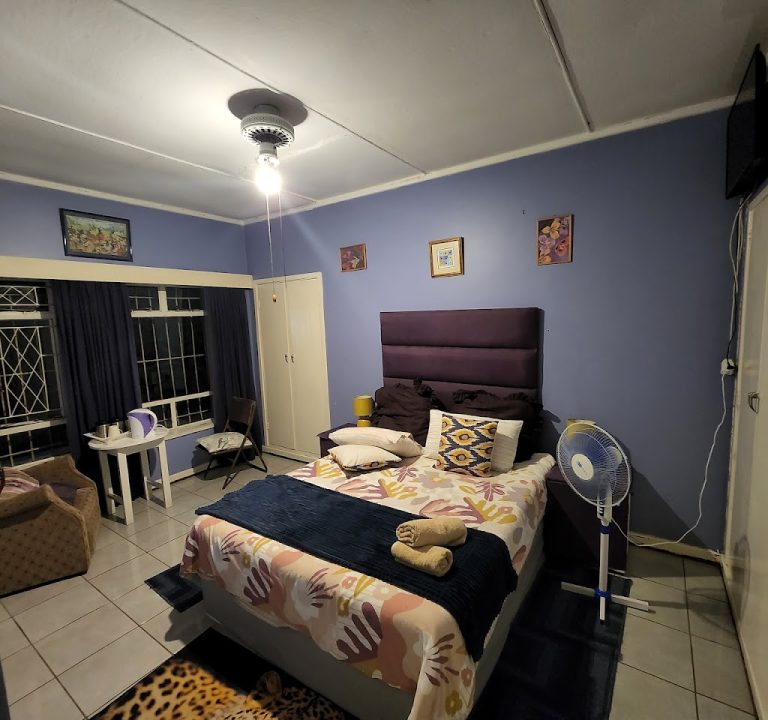
Typical amenities to look for include reliable Wi‑Fi, secure parking, comfortable beds with quality linens, and clear information about check-in procedures. A private en-suite bathroom is common, though some B&Bs offer shared facilities in smaller, intimate settings. A well-equipped workspace can be helpful for travellers who combine leisure with a little remote work. If you’ll be exploring by car, ensure there is ample on-site or secure street parking, and enquire about access to gates or secure entrances after dark. Think about breakfast service timing and options for dietary requirements, as a good start to the day often sets the pace for travel plans.
Transport in and around Pietermaritzburg is straightforward for most visitors. A car is usually the most convenient way to move between neighbourhoods and to reach surrounding attractions or day-trip routes into the midlands. If you prefer not to drive, taxis and ride-sharing services operate in the area, and some hosts organise transfers or can recommend trusted local drivers. Public transport within the city exists but is less frequent outside peak hours, so planning ahead is wise if you intend to rely on buses or trains for part of your trip. For longer trips into the surrounding countryside, a hire car gives you flexibility to explore inland hills, nature reserves and small towns on your timetable.
The best time to visit Pietermaritzburg depends on your interests. The city enjoys a temperate climate with warm summers and cooler winters. Winters (June to August) are typically dry and pleasant for outdoor exploration, with the added comfort of cosy evenings in accommodation with a fireplace or a warm lounge. Summers (November to February) bring more rain and humidity, which can be refreshing if you plan garden visits or scenic drives, but you may want to pack light rainwear and plan indoor activities during heavier showers. For those seeking vibrant floral displays, spring and early autumn can offer pleasant walking weather and manageable crowds at popular spots.
When you arrive, slot in a mix of cultural, historical and natural experiences. The city is rich in heritage, with museums and galleries that tell stories of the area, from colonial-era architecture to the region’s diverse communities. Green spaces and botanic or nature trails offer a refreshing complement to indoor attractions. Dining in Pietermaritzburg ranges from casual cafés to more refined eateries, focusing on local produce and flavours. Many places emphasise warm hospitality and a relaxed pace, making it easy to unwind after a day of sightseeing.
Planning tips for a smooth stay:
- Book well in advance for peak travel periods or if you have specific room requirements (e.g., a ground-floor room or a quiet garden suite).
- Check parking arrangements and access after dark if you will be arriving late.
- Ask about breakfast service times, dietary options and whether a kitchen or tea‑making facilities are available for self-catering stays.
- Verify Wi‑Fi reliability and speed if you need it for work or streaming.
- Inquire about proximity to your planned sights and whether a car is advisable for your itinerary.
For inspiration and practical planning, visitors often turn to official tourism resources and local guides that offer maps, suggested day trips and area highlights. A day in Pietermaritzburg can blend heritage highlights with a stroll through present-day markets, coffee spots and parks, followed by a relaxed dinner at a nearby restaurant. With its compact size and friendly streets, Pietermaritzburg is a convenient base for exploring KwaZulu-Natal’s midlands and its gateway towns. For more ideas, you can explore local tourism pages or visit the venues’ official websites for current information on opening times and on-site services.