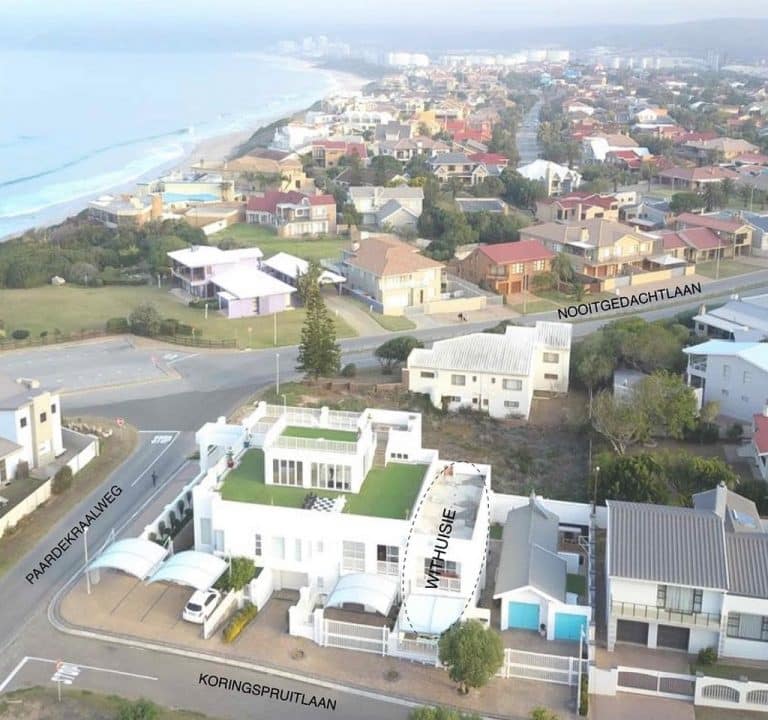
Accommodation and Experiences in Mossel Bay: Planning Your Stay
Mossel Bay on the Garden Route offers a generous blend of coastal scenery, wildlife encounters and laid‑back hospitality, making it a versatile base for a short break or a longer exploration of the Western Cape. Whether you favour self‑catering retreat, boutique guesthouses, or family‑friendly hotels, the town provides options that suit a range of budgets and travel styles. When planning a stay, think about proximity to the coast, access to the harbour and water‑based activities, and the ease of day trips to nearby towns and nature reserves.
Areas to consider for your stay include the harbour district, which puts you close to the bay’s best views and convenient dining options, and the central town area, where many guesthouses and self‑catering properties cluster alongside shops and eateries. For those seeking a more peaceful retreat, outlying neighbourhoods or lodges a short drive from the town centre often offer larger properties, gardens and outdoor spaces. If you are visiting with family or a group, look for properties that offer extra lounge areas, multiple bedrooms, and practical features such as secure parking, privacy screens, and outdoor entertainment spaces.
When choosing accommodation, consider the type of stay you want. Self‑catering options like Treklaer Lodge provide flexibility for longer visits, the chance to cook meals and enjoy a private space after a day of sightseeing. Boutique guesthouses often include breakfast and personalised service, with hosts who can share local tips. Hotels may offer on‑site dining and facilities such as pools and spa services. Each style has its own rhythm; plan according to whether you want the freedom of a kitchen, the convenience of a turnkey experience, or the pampering of a hotel setting.
Typical amenities you might expect include well‑equipped kitchens or kitchenettes, free Wi‑Fi, laundry facilities, secure parking, and outdoor spaces such as decks or gardens. Look for properties that provide modern touches like air conditioning or ceiling fans for warmer months, quality bedding, and well‑maintained bathrooms. For families or groups, a property with separate living areas and flexible sleeping arrangements can be a real asset. If you are visiting in peak season, confirm whether access to swimming pools or outdoor dining areas is available, as outdoor spaces can be a highlight of Mossel Bay’s mild coastal climate.
Transport in Mossel Bay is straightforward, with the town small enough to explore on foot in certain areas and well connected by car for day trips. If you do not plan to hire a vehicle, check whether your accommodation offers easy access to taxis, ride‑sharing services, or organised tours. Proximity to a petrol station, supermarket, and eateries can save time, especially if you plan to self‑cater. For longer trips, the Garden Route’s scenic routes are best explored by car, with plenty of stopping points to enjoy viewpoints, beaches, and wildlife experiences along the way.
The best time to visit Mossel Bay depends on what you want from your trip. Summer months bring warm sea swims and longer days, ideal for outdoor dining and water activities, while shoulder seasons offer comfortable weather with fewer crowds. The region can be windy at times, so pack accordingly and choose accommodation with sheltered outdoor spaces or indoor lounges for breezier days. If you are keen on marine life, consider seasonal whale or dolphin watching opportunities and nature walks in the surrounding reserves. Always check local events calendars, as seasonal markets and cultural happenings can add memorable moments to your stay.
Practical planning tips to get the most from your Mossel Bay visit:
- Book in advance for peak holiday periods and school holidays to secure preferred areas and properties with the features you want.
- Read recent guest reviews to verify the property’s comfort level, cleanliness, and responsiveness of hosts or managers.
- Clarify what is included in the rate—breakfast, daily housekeeping, and linen changes can vary between properties.
- Ask about accessibility features if required, such as ground‑floor rooms, ramps, or accessible bathrooms.
- Plan a mix of relaxation days and activity days, balancing beach time with nature reserves, shipwreck coastlines, and historical sites.
- Check transport options and parking arrangements, especially if you intend to explore the wider Garden Route by car.
- Forecast rain or heat by packing layers, sun protection, and comfortable footwear suitable for uneven coastal paths.
A sample self‑catering option in Mossel Bay, such as Treklaer Lodge, demonstrates how a thoughtfully designed space can frame a relaxed, home‑from‑home experience. Self‑catering lodges often feature private entrances, comfortable living areas, and outdoor spaces for barbecues or stargazing after days filled with exploration. If you are drawn to a stay with a similar ethos, you can discover more about Treklaer Lodge through their official site, which provides details on the property and its setting within the Mossel Bay area: Treklaer Lodge.
When it comes to things to do and places to eat, Mossel Bay offers a balance of natural beauty and approachable dining. You can generally expect a mix of seaside restaurants, casual cafés and markets where fresh seafood and local produce feature prominently. For broader experiences, consider coastal walks along the harbour, viewpoints with sweeping ocean vistas, and day trips to nearby towns and nature reserves to observe coastal flora and fauna in their natural habitats. The town’s friendly atmosphere and manageable size make it easy to combine restful days with light adventures, ensuring a well‑paced itinerary suitable for couples, families and small groups alike.