Toro Yaka Bush Lodge is a Lodge establishment in Hoedspruit, Limpopo, South Africa
About Toro Yaka Bush Lodge, Hoedspruit
Toro Yaka Bush Lodge sits on the edge of the Greater Kruger National Park, where untamed wilderness meets luxurious, home‑away‑from‑home comfort. The lodge, whose name translates to “My Dream” in Northern Sotho, offers a personalised safari escape that emphasises privacy, tranquillity and meaningful wildlife encounters. Surrounded by the African bushveld, guests can expect the melodies of nature and the sense of space that comes from an unfenced setting, with wildlife such as warthogs roaming the grounds and nocturnal calls echoing after dark.
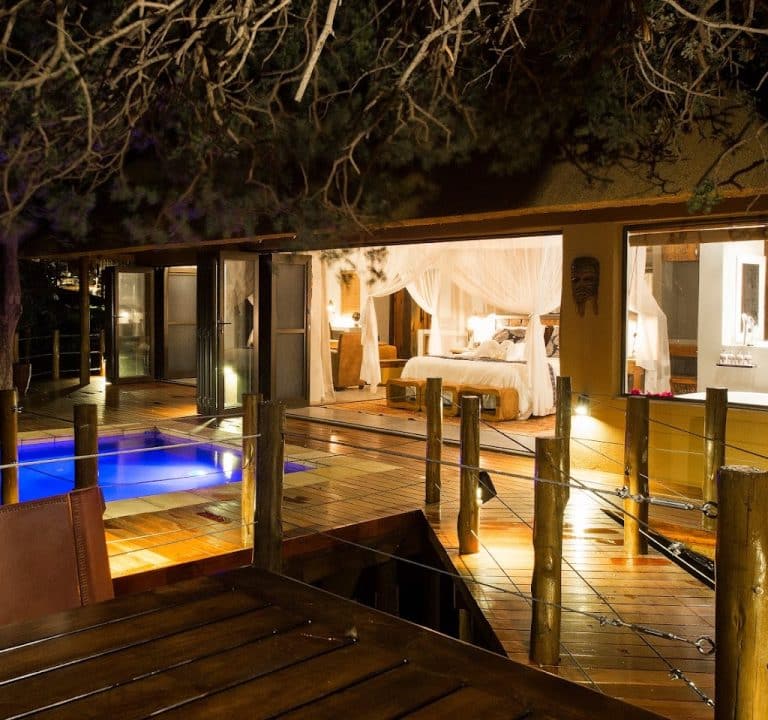
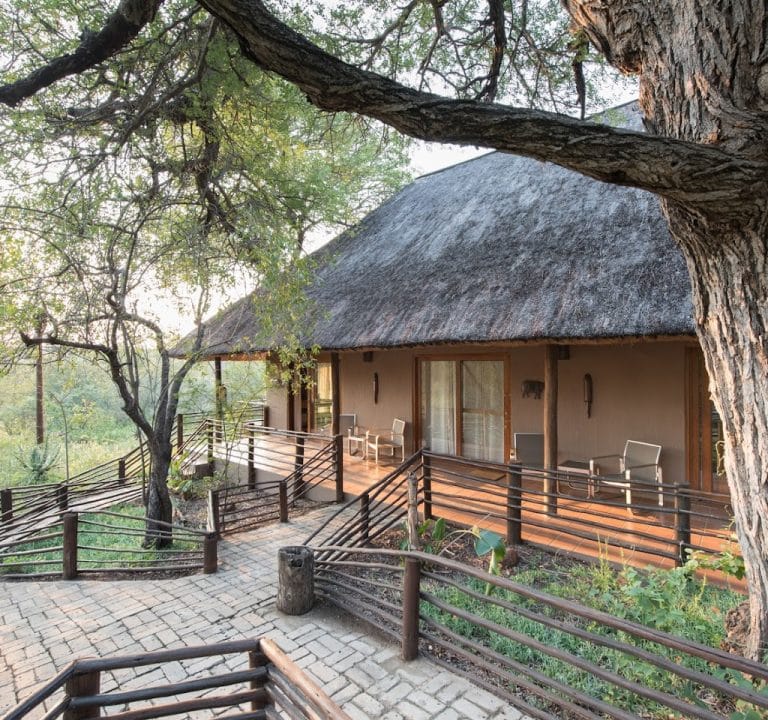
Accommodations are designed to blend with the landscape while delivering modern comfort. The six spacious, air‑conditioned thatch‑roofed rooms each accommodate two guests and are configurable as twins or doubles. Every room features mosquito nets, an en‑suite bathroom with both indoor and outdoor showers, and a private deck for guests to enjoy the African scenery in solitude or from the comfort of an open‑air vantage point. Rooms are serviced daily, typically in conjunction with the day’s game drives, ensuring a seamless balance between safari activities and restful downtime.
Meals are a highlight of the Toro Yaka experience, with breakfast, lunch and dinner prepared to celebrate African culture. A set menu is served in communal indoor dining spaces, outdoor dining areas or in the Boma beneath the expansive African skies. The kitchen is adaptable to dietary requirements, which should be noted during booking, reflecting a commitment to personalised service while maintaining a focus on fresh, flavoursome fare and a minimal environmental footprint.
Beyond relaxation, Toro Yaka offers a curated programme of experiences that bring guests close to the natural world. Daily game drives in open safari vehicles are led by knowledgeable guides, while guided bush walks provide a slower, immersive connection to flora and fauna. For those seeking further renewal, a massage room offers therapies such as Swedish massage, aromatherapy and reflexology, delivered by a qualified therapist. These treatments are available on request and are not included in standard accommodation rates, underscoring the lodge’s emphasis on tailored, rejuvenating experiences.
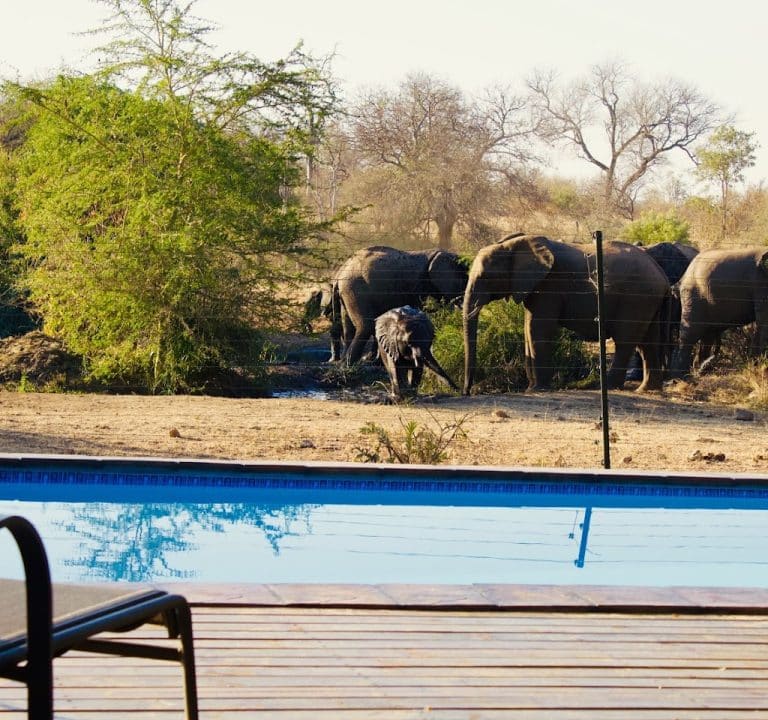
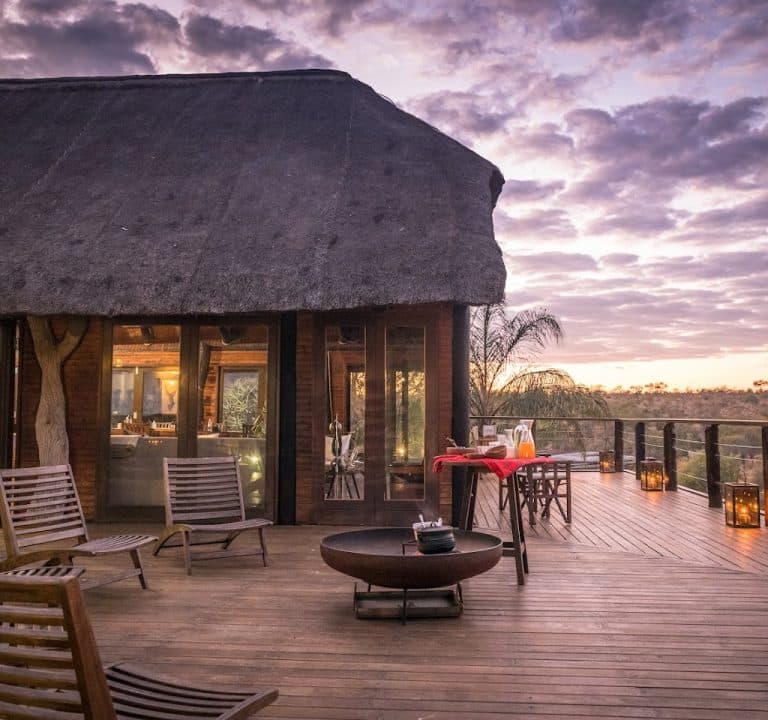
The lodge itself is a standout feature: a main building with indoor and outdoor communal spaces, a warm dining area, a deck overlooking a waterhole, and a 9‑metre pool that allows guests to watch wildlife gather at the nearby water. The pool, located on a wooden deck, complements the open‑air lifestyle while providing a refreshing respite on hot days. Visitors should note that, as part of the bush‑land setting, encounters with wildlife on the property are a natural part of the experience.
From a conservation and sustainability perspective, Toro Yaka emphasises responsible practices. Eco‑friendly products, recycling and land stewardship are prioritised, and the lodge undertakes thoughtful measures to protect the landscape and its ecosystems. The balance of comfort and wild immersion makes the lodge appealing to travellers who value authentic safari moments without compromising on quality and service.
For those considering timing and budgeting, the property advertises all‑inclusive rates for 2025, with per‑person, per‑night pricing that includes en‑suite accommodation, meals and safari activities (two game drives per day). Additional costs arise from beverages, massages, and a conservation levy charged per vehicle and per person. Special offers may be available, with guests encouraged to inquire during the booking process.
- Ideal for couples and travellers seeking intimate, personalised safari experiences in a vibrant wildlife setting.
- Best suited for guests who value a high level of comfort within a bush‑land environment.
- Great for wildlife enthusiasts keen on flexible, low‑tempo enquiries paired with guided drives and bush walks.
Nearby highlights extend the safari experience beyond the lodge gates. Toro Yaka is located in Balule Nature Reserve, part of the greater Kruger region, with open borders allowing wildlife movement between reserves and the Kruger National Park. While the experience centres on guided activities at the lodge, the surrounding Balule landscape offers visitors a sense of the wider ecosystem and opportunities to observe the rhythms of conservation in practice.
Travel tips for future guests include noting that self‑driving in Balule Nature Reserve is not permitted, and children under 10 are not accommodated at the lodge. When planning a stay, it is advisable to review dietary needs with the booking team, consider including spa treatments to enhance relaxation, and check whether any seasonal specials or packages are available. For those wanting to explore further or download detailed information, references to the lodge’s brochure and official website pages are accessible for planning purposes, including the rooms and rates section and activities page, which outline the range of experiences on offer.
Hoedspruit
Limpopo
1380
South Africa
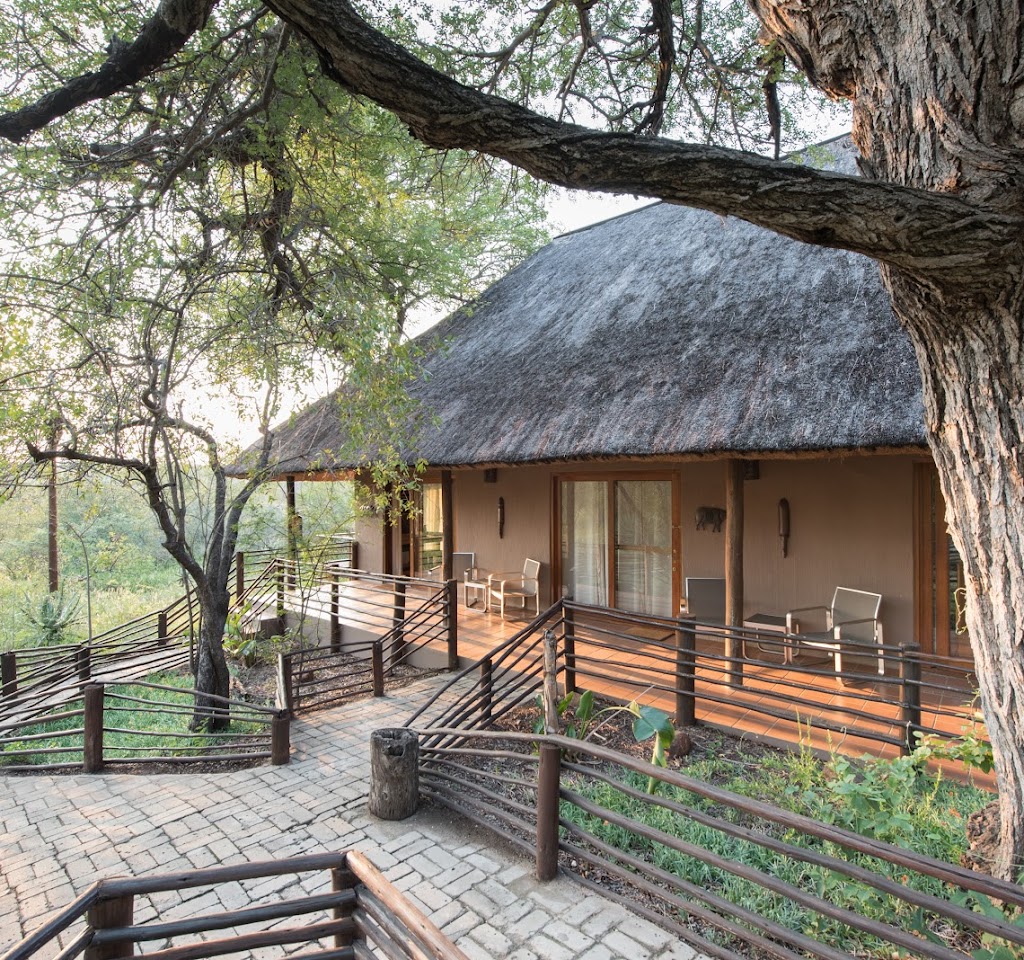
Hoedspruit: Accommodation and Experiences in Limpopo, South Africa
Hoedspruit in Limpopo is a gateway to untamed bushveld, wildlife reserves and a range of traveller-friendly stays that cater to both romantics and families. The town serves as a practical base for exploring the Greater Kruger area, Balule Nature Reserve and nearby wilderness experiences, while offering comfortable lodges, guesthouses and boutique hotels that prioritise easy access, guides and ecological responsibility. When planning a stay, consider proximity to the wildlife areas you most want to visit, your preferred pace of days, and the level of immersion you seek in nature.
Accommodation options in and around Hoedspruit span from intimate bush lodges to well-appointed lodges on the edge of nature reserves. A lodge such as Toro Yaka exemplifies a style that blends modern comfort with authentic safari ambiance. Expect en-suite rooms with both indoor and outdoor elements, generous communal spaces, often a pool with wildlife views, and guided activities that tie you to the landscape. When booking, look for clarity on inclusions (meals, game drives, activities), wildlife policy, and whether self-drive is permitted within the reserve. If you want the most immersive bush experience, choose a lodge that offers morning and afternoon game drives with a knowledgeable ranger and options for guided bush walks or birding.]
Areas to consider include the town itself for convenience and dining options, and the surrounding nature reserves such as Balule, which are typically linked to Kruger’s ecosystem. Balule and similar reserves may operate with open or non-fenced boundaries, meaning wildlife can be seen from decks or common areas. Some lodges publish details about waterholes, decks and pool areas designed for wildlife viewing, which can help you decide whether you prefer a private room deck, a sun terrace, or a communal dining experience under the stars. For a balanced itinerary, pair your lodge stays with day trips to wildlife reserves, scenic viewpoints and potential cultural experiences in the Hoedspruit area.
Typical amenities you can expect include air-conditioning, mosquito nets, private decks or verandas, en-suite bathrooms with indoor and outdoor shower options, tea and coffee stations, compact fridges, and safekeeping for valuables. Food is often a highlight, with breakfasts, lunches and dinners that celebrate local flavours and seasonal produce. Some lodges offer a Boma dining experience, where meals are enjoyed beneath the African sky. Spa services and specialised treatments can be available at additional cost, so it’s wise to book any massages or therapies in advance if you want a pampering post-game-drive unwind.
Transport to and around Hoedspruit is straightforward for most travellers. The town is served by regional air connections and a road network that links to the Kruger National Park and surrounding reserves. Within reserves, self-driving is sometimes restricted; many lodges operate their own guided safaris, with transfers from the airstrip or lodge gate. If you plan to combine a stay in Hoedspruit with longer Kruger adventures, verify transport options and the lodge’s transfer arrangements as part of your booking to avoid any last‑minute excursions or delays.
The best time to visit Hoedspruit and the Greater Kruger area is during the dry season (roughly May to September) when wildlife concentrates around water sources and vegetation is thinner. This improves sightings and can make game viewing more rewarding. The wet season (roughly November to March) brings lush greenery and occasional thunderstorms, which can be wonderfully dramatic but may require flexible day plans. Always pack sun protection, light layers for cooler mornings and evenings, and a good camera with a fast shutter for wildlife moments.
When planning, consider the balance between guided activities and leisure time. Many lodges offer a schedule that includes two daily game drives, bush walks, birding sessions, spa treatments and poolside relaxation. If you’re travelling with family or friends, confirm bed configurations, child policies, and any age restrictions. Dietary needs and preferences are commonly accommodated in advance, so note these when you book. For responsible travel, choose properties that emphasise environmental stewardship, waste reduction and conservation partnerships in the surrounding communities.
In terms of experiences beyond the lodge, Hoedspruit is a natural starting point for wildlife viewing, guided walks and birding. Visitors often enjoy seeing a range of bird species, elephants and other wildlife in the reserve network, as well as the chance to observe the rhythms of the bush from a comfortable, supervised setting. Dining options in the area range from rustic to refined, with farm-to-table influences and African-inspired menus that celebrate local ingredients. Some guests also explore local cultural and conservation-related organisations to understand the region’s wildlife protection work and community initiatives.
For those seeking a sample itinerary, a stay that weaves a boutique lodge experience with short drives to nearby reserves offers a pleasurable rhythm: mornings on a guided game drive, afternoons on a bush walk or at leisure back at the lodge, and evenings around a dining table or a Boma under the stars. A good example of a lodge that blends luxury and nature is Toro Yaka Lodge, which highlights intimate safari experiences, personalised service, and a focus on ecological mindfulness. Learn more about Toro Yaka at their website: Toro Yaka Bush Lodge.
- Book well in advance for peak seasons and ensure transfers are arranged with your lodge.
- Check inclusions: meals, game drives, bush walks, and spa treatments.
- Confirm non‑self-drive policies if you prefer guided safaris within reserves.
Sorry, no records were found. Please adjust your search criteria and try again.
Sorry, unable to load the Maps API.
Why Claim Your Listing?
Claiming your listing on the B&B Finder directory website is a valuable opportunity for business owners. Here are five reasons why you should consider claiming your listings:
Control Over Business Information: By claiming their listing, business owners can ensure that all the information presented is accurate and up-to-date. This includes details such as contact information, address, pricing, and available services or amenities. Accurate information helps prevent customer confusion and improves overall satisfaction.
Enhance the Listing: Once a listing is claimed, owners can enhance it by adding more comprehensive information and rich media, like high-quality photos and videos. These additions can make the listing more attractive and engaging to potential customers, thereby increasing the likelihood of bookings.
Marketing Opportunities: Claiming a listing can also open up additional marketing opportunities. Owners may be able to participate in promotional campaigns, special offers, and other marketing activities organized by the directory. This can increase visibility and attract more customers to the business.