Accommodation in Busingatha, KwaZulu-Natal: planning a comfortable stay and what to see
Busingatha, a quiet corner of KwaZulu-Natal, offers visitors a relaxed base from which to explore the province’s rich natural beauty and cultural heritage. When planning a stay, travellers should consider the surrounding landscape, accessibility, and the type of experience they desire—from self-catering retreats to more traditional hotel or lodge stays. With a mix of guesthouses, self-catering units, and holiday resorts nearby, visitors can tailor a stay to fit family holidays, solo adventures, or romantic getaways.
Accommodation in this region ranges from intimate guesthouses tucked into leafy streets to larger self-catering retreats that can suit groups. In choosing where to stay, think about proximity to key routes, whether you prefer a rural or more coastal climate, and the level of on-site services you require. For those who value a home-away-from-home feel, self-catering options can offer flexibility, while those seeking convenience may opt for properties with daily housekeeping, a reception team, and on-site amenities such as pools or outdoor spaces.
When evaluating accommodation, look for several practical features. A well-equipped kitchen or kitchenette can save money and provide flexibility for families or longer visits. Reliable air conditioning or ceiling fans are important in KwaZulu-Natal’s warmer months. En-suite bathrooms, sufficient storage, and clear safety measures—especially for travellers with children—are worth confirming before booking. Check access details, such as secure parking, gate access, and the ease of reaching local attractions without relying solely on private transport. If you plan to explore on weekends or during peak seasons, a property with a little flexibility on check-in times can be a real advantage.
Transport in and around Busingatha varies, with many visitors relying on a car to move between rustic country lanes, guesthouses, and regional attractions. If you do not have access to a vehicle, investigate the availability of local transfers, proximity to public transport hubs, or the possibility of arranging guided day trips through your accommodation. In general, planning a rough itinerary that balances driving time with downtime by a pool or on a veranda is a smart approach to avoid driving fatigue in busy traffic corridors.
The best time to visit KwaZulu-Natal depends on desired activities. The summer months (roughly November to March) are warm and often humid, with rainfall patterns shaping outdoor plans. Winter (June to August) can be milder and drier—pleasant for scenic drives and outdoor meals. Coastal KwaZulu-Natal enjoys sea breezes most of the year, while inland pockets around Busingatha may be cooler at night. Regardless of when you travel, packing layers, sun protection, and mosquito repellent can make a stay more comfortable, especially during the warmer seasons.
In terms of activities, guests can expect a mix of natural and cultural experiences that suit a range of interests. For nature lovers, gentle hikes, birdwatching, and scenic drives through rural landscapes offer ample opportunities to enjoy the outdoors without strenuous routines. For those curious about local life, community markets, small eateries offering regional flavours, and simple, well-run guesthouses can provide a sense of place without the fuss of larger cities. When planning day trips, consider picking a nearby town or reserve for a relaxed excursion rather than cramming multiple experiences into one day.
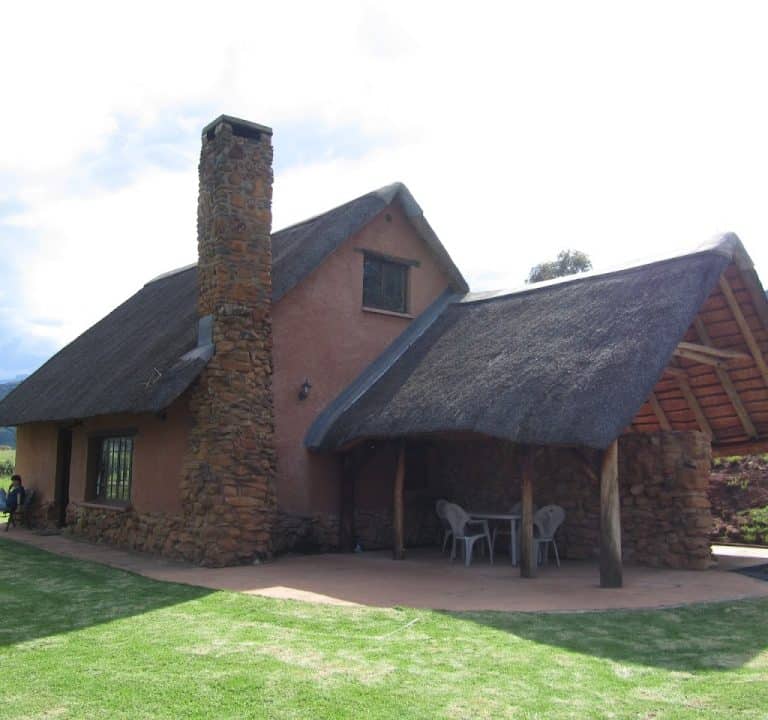
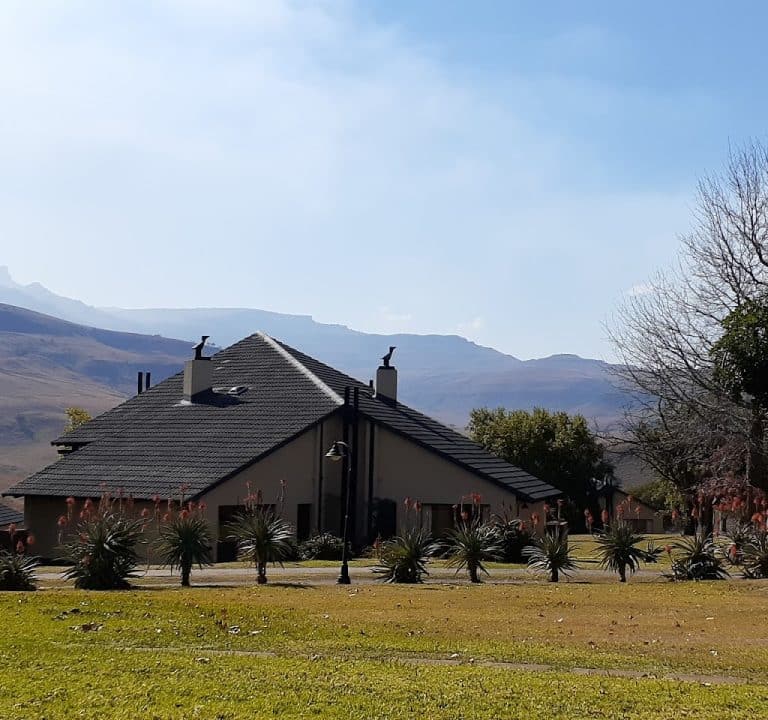
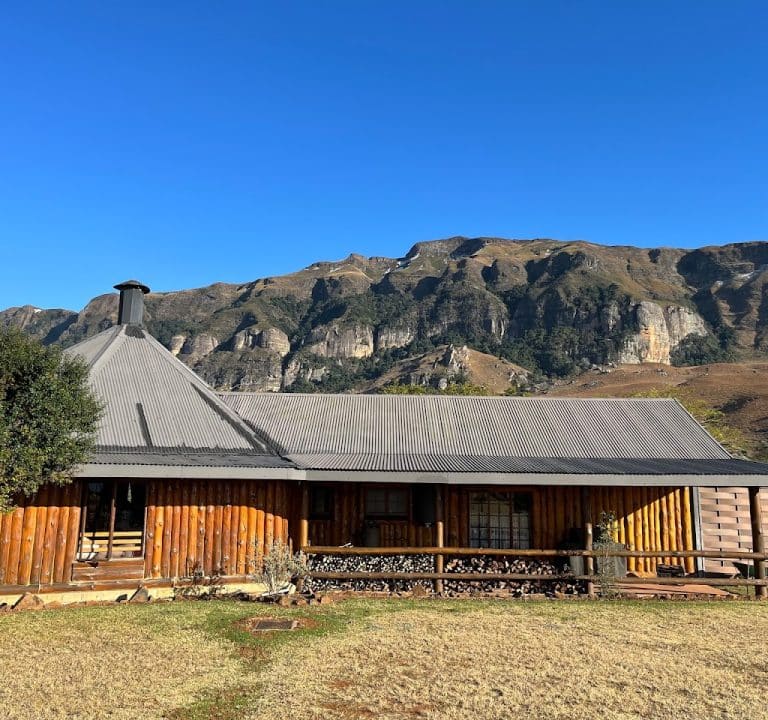
Accommodation providers in the area often highlight shared spaces and common-sense amenities. A guesthouse or lodge may offer features such as outdoor seating areas, shaded verandahs, and landscaped gardens where guests can unwind after a day of exploration. Self-catering properties frequently advertise conveniences like a well-equipped kitchen, outdoor braai (barbecue) facilities, and private patios or balconies, making them well-suited to families or groups who prefer a flexible pace and meal options.
For dining and casual meals, expect a mix of options ranging from small locally run eateries to guesthouse dining rooms where guests can enjoy hearty, straightforward meals. In many parts of KwaZulu-Natal, restaurants tend to emphasise fresh, regional ingredients and grills, with menus that reflect both coastal and inland influences. If you are planning to dine out, it can be worth asking your host for recommendations on nearby casual eateries or markets, as these often offer tasty, affordable ways to experience local flavours without long restaurant queues.
One good starting point for accommodation in this area is to explore established holiday offerings that specialise in self-catering and longer stays. For reference and inspiration, visiting established property collections can provide a sense of typical layouts, facilities, and service expectations. A well-regarded option to consider is Toplodge, a holiday accommodation and self-catering retreat that focuses on comfortable, family-friendly stays. Their site provides practical details and suggests themes for planning a balanced visit to the region. More information can be found at Toplodge.
- Typical amenities to look for: en-suite bathrooms, air conditioning or fans, well-equipped kitchens, secure parking, reliable Wi-Fi, pool or outdoor spaces, and on-site laundry facilities.
- Practical planning tips: confirm check-in and check-out times, understand the policy on cancellations, assess the property’s accessibility, and consider proximity to your planned activities.
- Planning considerations: factor in travel time between accommodation, markets, and attractions; pack layers for variable weather; and request local recommendations for dining and day trips.
In short, a stay in Busingatha can be a comfortable and convenient base from which to explore KwaZulu-Natal’s scenery and culture. By choosing a property that matches your style, confirming essential amenities, and planning transport and activities with a flexible mindset, you can enjoy a relaxed, itinerary-smart visit that makes the most of this approachable region.