Wilderness, Western Cape: Where to stay, what to do and how to plan your visit
Nestled between the Outeniqua mountains and the Indian Ocean, Wilderness in the Western Cape offers a relaxed haven for travellers seeking a mix of forest trails, coastal walks and tranquil lagoon views. The village is compact enough to be easy to navigate, yet varied enough in its accommodation options to suit a range of preferences and budgets. Whether you favour a cosy cottage, a stylish B&B or a self-catering lodge, Wilderness makes it easy to tailor a stay to your interests, with easy access to nearby towns such as George for wider dining and shopping, and the coast’s wider natural beauty on your doorstep.
When planning a stay, start by choosing the area of Wilderness that best matches your priorities. The shorefront areas near the lagoon and beaches tend to be popular with families and travellers who want sea access on foot or by a short drive. Higher forested parts, closer to the Outeniqua Forest tracks, offer a cooler climate, denser greenery and a sense of seclusion. If you’re travelling with carloads of gear or planning day trips along the coast or into neighbouring towns, a central location near the main routes will cut down on repetitive locating and parking time.
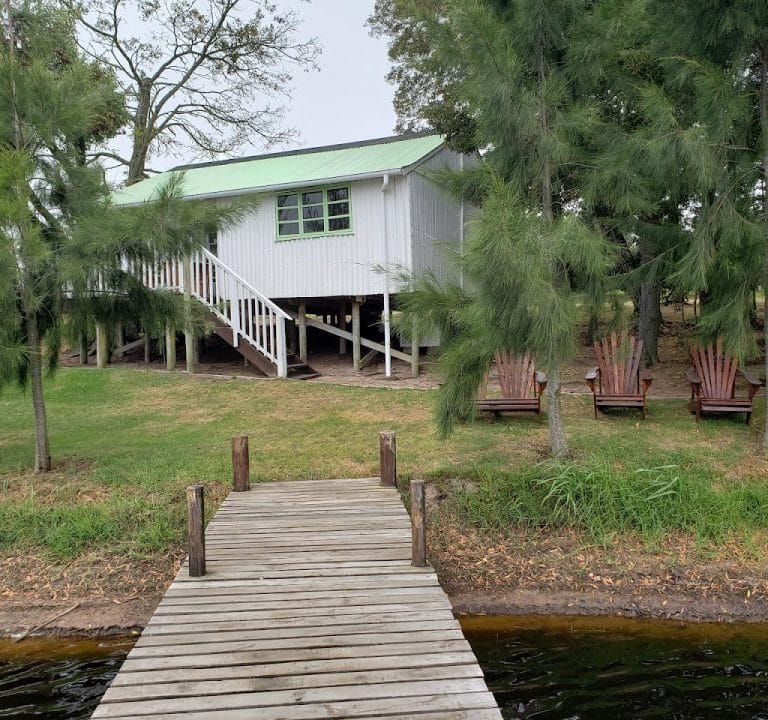
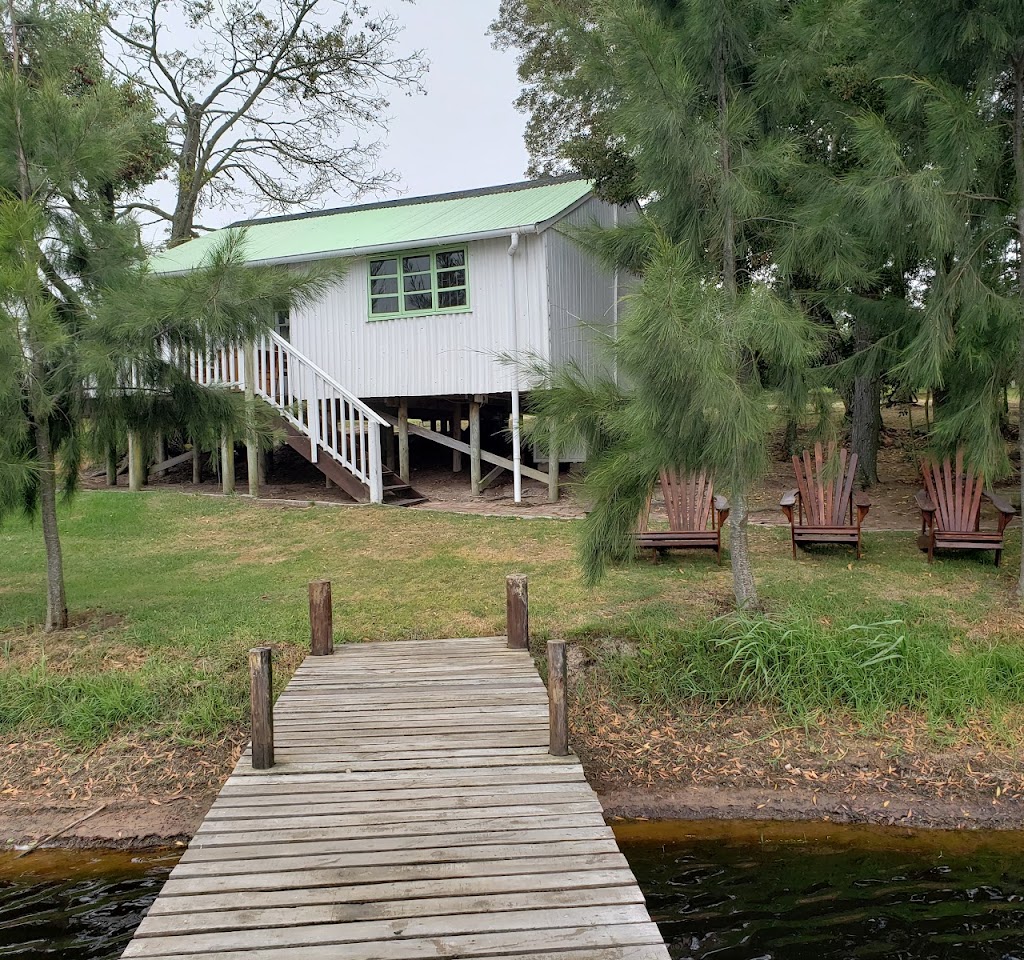
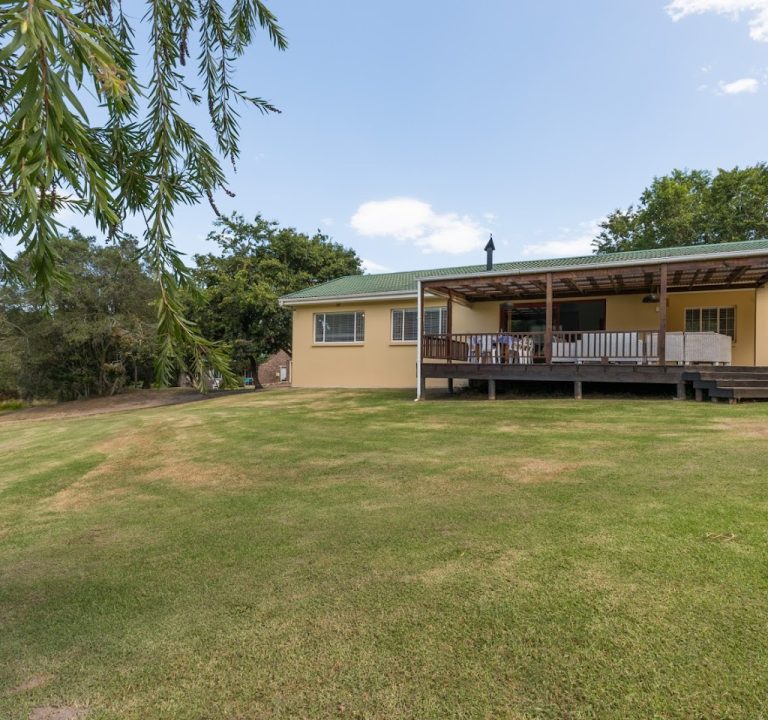
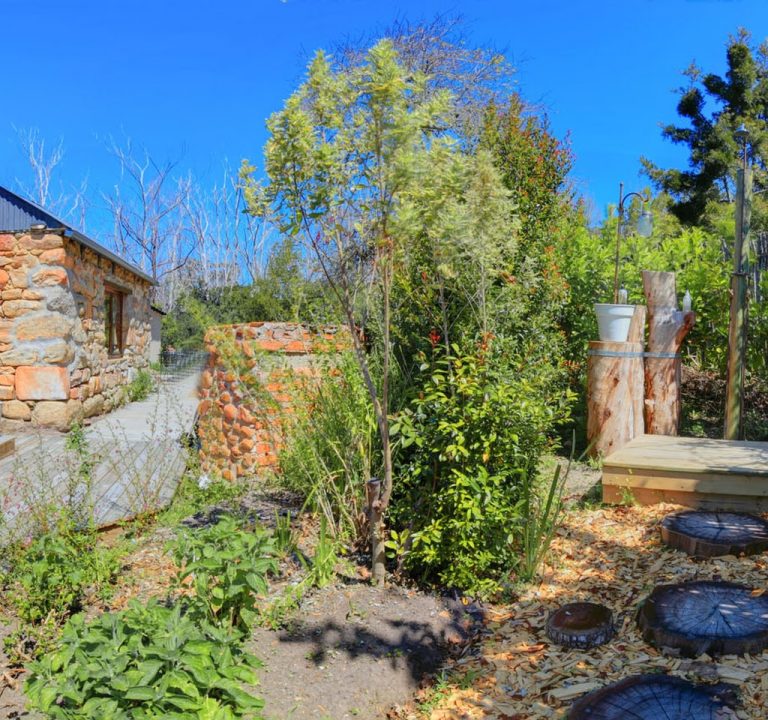
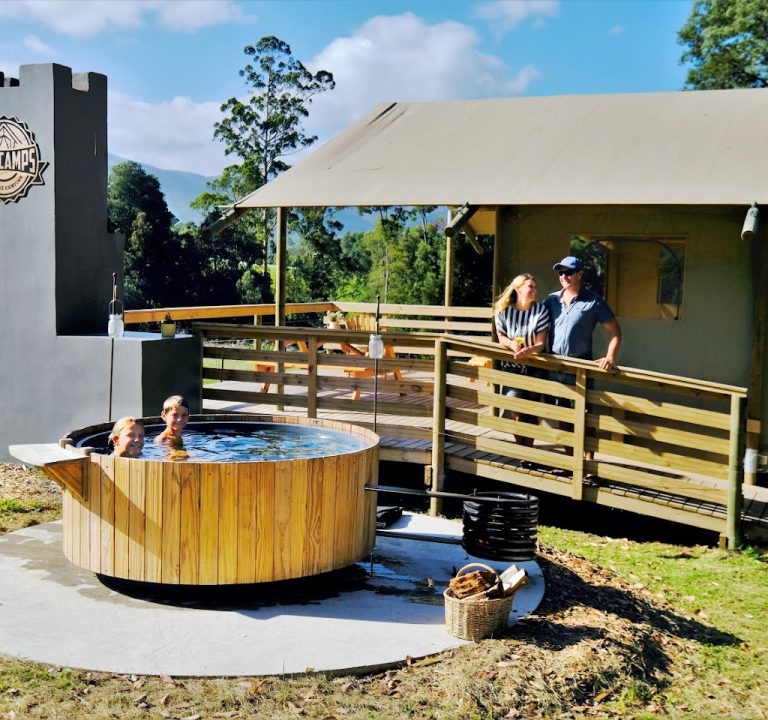
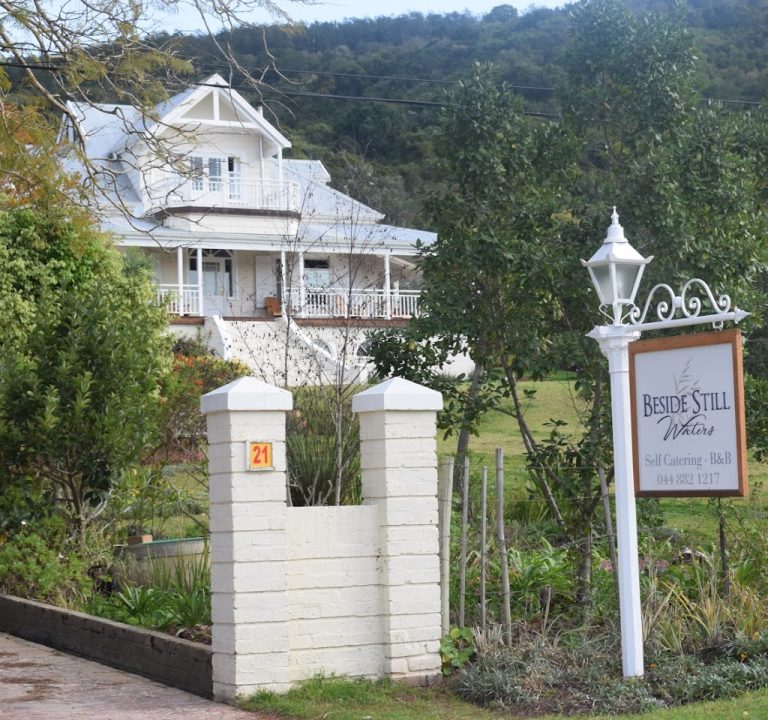
Accommodation in Wilderness ranges from guesthouses and boutique B&Bs to characterful self-catering cottages and small lodges. For example, Toorbos Cottages offers a cottage-style stay that emphasises comfort, privacy and a sense of place within the surrounding scenery. When choosing where to stay, consider the following:
- Self-catering facilities and kitchen equipment for flexible meal planning.
- Private outdoor spaces, such as verandas or courtyards, to enjoy morning coffee or sunset drinks.
- Proximity to beaches, forest trails or lagoon access, depending on your activity preferences.
- Storage for outdoor gear, such as surfboards, bicycles or hiking boots.
- Accessibility features or stair-free entries if applicable to your party.
Typical amenities across Wilderness venues include well-equipped kitchens, free parking, housekeeping options, Wi‑Fi access, and communal spaces that invite a relaxed pace. Many properties offer suggestions for local walks, tidal pools, viewing spots for birdlife and occasional guided experiences. If you are travelling with family or a group, look for larger units with separate bedrooms or living areas, but also keep an eye on quiet hours and on-site rules that maintain the tranquillity of the neighbourhood.
Booking considerations are shaped by season and tides. The best time to visit in terms of weather is generally spring (September to November) and autumn (March to May) when temperatures are mild and crowds are lighter. Summer brings longer days and a lively coastal vibe, but can also mean more visitors and higher demand for accommodation. Winter in Wilderness is cool and often wet, yet it carries a serene beauty with dramatic skies and forest scents—a good fit for those seeking a quieter break and fresh, energising air.
Transport is practical for Wilderness. A car is the most convenient option for exploring the area at your own pace and for day trips to George or other nearby destinations. If you arrive by public transport, plan ahead for transfers from regional hubs, and factor in some extra time for stops along the coast or forest routes. Some properties may offer shuttle or organiser-led activities, so it’s worth asking when you book. For visitors who enjoy cycling or walking, several trails begin near the village, with varying levels of difficulty to suit beginners and seasoned hikers alike.
What to do during a stay in Wilderness extends well beyond the beach. Enjoy coastal strolls along the shore, kit yourself out with water sport gear, or take scenic drives to viewpoints and eco-friendly reserves. The nearby lagoons are popular for calm-water adventures, picnics, and birdwatching, while the surrounding forests provide cooler air and tranquil paths for longer hikes. If you’re keen to explore the broader region, a short drive to George offers additional dining choices, markets and services, alongside access to regional attractions and routes that thread along the Garden Route proper.
Eating well is a highlight of any trip, with Wilderness offering a range of dining experiences from casual cafés to more refined restaurants, often highlighting fresh seafood and locally sourced ingredients. In planning meals, consider booking ahead during peak seasons, especially for sunset dining when the coastal light is exceptional. Many accommodation providers feature kitchens or kitchenette facilities, making it easy to prepare simple meals and enjoy quiet evenings in your own space after a day of exploring.
Practical tips for a smooth stay: pack layers for variable coastal weather, bring sturdy footwear for forest trails, and check the tide timetable if you plan coastal walks during low tides. Respect the natural surroundings by sticking to marked paths and disposing of litter responsibly. If you’re travelling with children, choose properties with child-friendly spaces and note any pool or garden policies. Finally, keep a flexible mindset—Wilderness shines when you embrace outdoor time, slower rhythms and generous, sunlit spaces between activities.
For planning and ideas, you can browse the Western Cape’s tourism resources for Wilderness and surrounding areas, and visit the region’s official pages for practical guidance, maps and current advisories. A stay in Wilderness can be the start of a restorative coastal-and-forest itinerary, with comfortable accommodation, gentle slow days, and simple access to nature’s colours and sounds. For more details on booking and current offerings, see the local tourism information pages and individual property websites.