Exploring Newcastle, KwaZulu-Natal: where to stay and what to do
Nestled in the foothills of the Drakensberg region, Newcastle in KwaZulu-Natal offers a blend of scenic landscapes, historic heart, and a friendly, traveller‑moccasled atmosphere. Whether you are visiting for a weekend break, a cycling or hiking excursion, or a relaxed family stay, Newcastle provides a range of accommodation options that cater to different budgets and personal styles. Planning ahead will help you make the most of your time, from choosing the right area to knowing what to pack and when to travel.
When choosing a base, consider the following areas and what they offer. The town centre and market precincts are convenient for strolls, dining, and easy access to local businesses. Suburban pockets around the riverside or hillside suburbs afford quieter nights and pleasant views, often with larger grounds or guesthouse gardens. If you are chasing natural scenery, seek out options closer to parks, reserves, or the foothills of the Drakensberg where morning air feels fresher and walks begin right outside your door. For business travellers or those with planned day trips to rural towns nearby, convenient access to the N3 corridor can save travel time while still offering comfortable anonymity after hours.
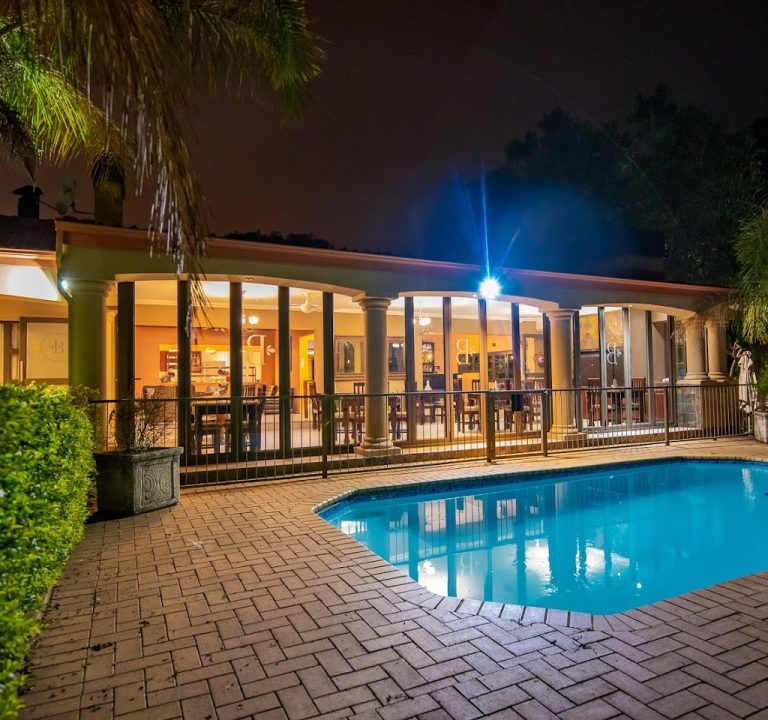
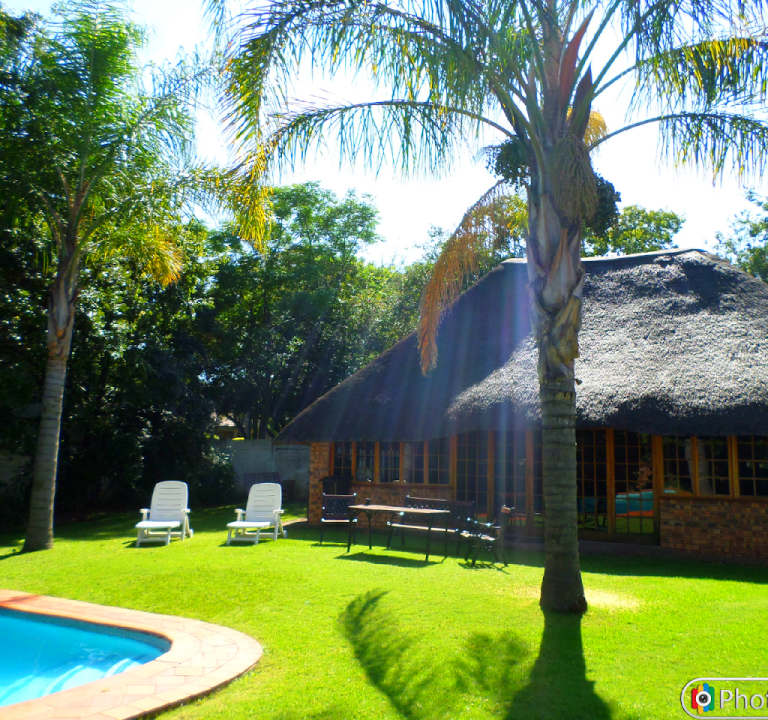
Typical accommodation in Newcastle ranges from guest houses and B&Bs to boutique hotels and self‑catering cottages. You can expect clean, comfortable rooms with private or en‑suite bathrooms, wifi, and a reasonable breakfast offering in many guest houses. Common amenities include secure parking, quiet garden spaces, and on‑site or nearby restaurants. In some properties, hosts can arrange guided walks, local tips, and seasonal recommendations to help you customise your stay. Look for options with flexible check‑in and check‑out times, clear cancellation policies, and transparent payment terms. If you are a family or travelling with a group, check for family rooms or the availability of sofa beds, as well as safe outdoor spaces for children or pets if applicable.
Booking tips to consider before you commit include: evaluating the proximity to desired attractions or restaurants, confirming whether breakfast is included or if there are self‑catering options, and assessing the accessibility of your room (ground floor vs stairs). Read recent guest reviews for notes on cleanliness, quietness at night, and the responsiveness of hosts or managers. Check for practical features such as laundry facilities, ironing, and reliable heating or cooling, especially if you plan to visit in the shoulder seasons when temperatures can vary. If you rely on public transport, verify how far the property is from taxi ranks or bus stops, and whether there are convenient connections to the longer scenic routes you might want to explore.
Transport in and around Newcastle tends to be best with a car or a reliable rideshare, particularly for exploring outlying attractions and countryside trails. If you prefer not to drive, look for accommodation with good access to the town centre, where you can arrange guided tours or day trips with local operators. Some guest houses offer shuttle services or can organise drivers to popular hiking spots or small towns nearby. Always confirm the check‑in process and whether there is a host on site to assist with day plans or dinner reservations.
The best time to visit Newcastle is typically during the temperate months when days are longer and outdoor activities are more comfortable. Summers can bring warm days and afternoon showers, while winter brings cooler mornings and clear skies, ideal for scenic drives and outdoor photography. If your visit revolves around outdoor activities like hiking or cycling, aim for the shoulder seasons when trails are less crowded and the weather is milder. For wildlife watching or landscape photography, keep an eye on local sunrise and sunset times to capture golden hours for your photos.
Practical tips to maximise your stay:
- Pack layers to adapt to changing temperatures, especially early mornings and evenings.
- Bring a portable charger for day trips and a small first‑aid kit for rural excursions.
- Confirm dining options and opening hours for the properties you consider, as some guest houses partner with local eateries or offer guest‑staff meals.
- Ask hosts about nearby walking or cycling routes, safe lanes, and scenic viewpoints that fit your pace.
- Respect local customs and conservation guidelines if you venture into natural areas or small rural towns.
Nearby attractions and experiences in general terms often appeal to a range of visitors: the region offers opportunities for scenic drives through rolling hills, nature reserves, and historic streetscapes. Cultural and heritage elements are usually accessible through local markets, museums, and small galleries that showcase regional crafts. For dining, Newcastle’s wider area typically features a mix of casual cafés, family‑run eateries, and up‑market bistros that focus on fresh, local produce and relaxed service. If you wish to plan more structured outings, reputable tourism sites and reputable local operators can provide day‑trip itineraries to surrounding towns, nature spots, and viewpoints. Accommodation providers commonly supply practical advice and may tailor recommendations to your interests, whether you seek outdoor adventures, historical insights, or a leisurely city break.
In short, Newcastle offers a practical, friendly base for exploring northern KwaZulu‑Natal. By choosing the right area, confirming essential amenities, and planning around transport and seasonal conditions, you can enjoy a comfortable stay with easy access to the town’s charm and the wider countryside. For more information on locations, itineraries, and current listings, consult reputable local tourism resources and the websites of potential guest houses or hotels in the area.