Accommodating Jozini: Where to stay and how to make the most of your visit
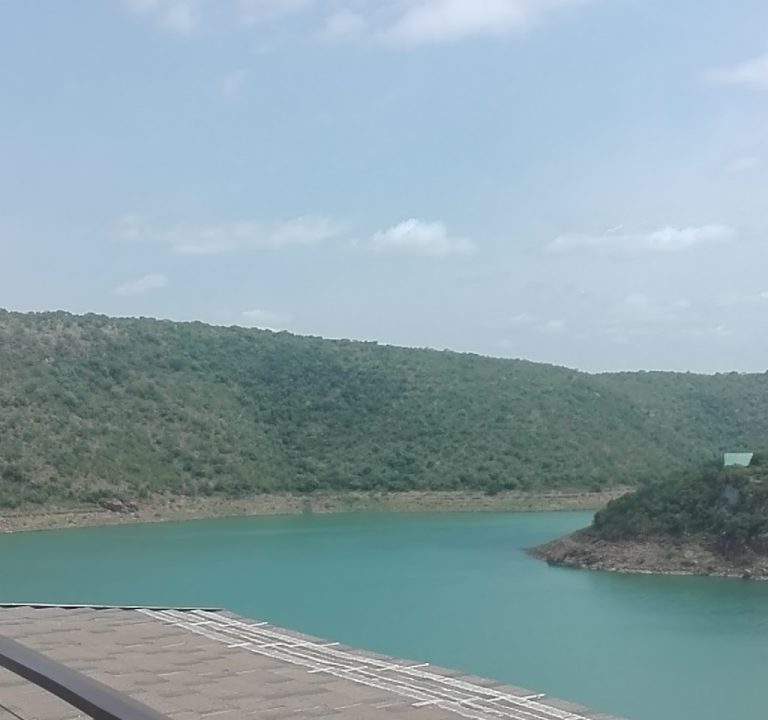
Jozini in KwaZulu-Natal offers a relaxed base from which to explore northern KwaZulu-Natal’s landscapes, wildlife, and waterway scenery. The area is known for lake and dam views, grassland and savannah intersections, and a pace of travel that suits travellers seeking both tranquillity and adventure. When planning a stay, consider the different neighbourhoods and lodging styles available, from riverside resorts to intimate guesthouses and hotel-style properties, and choose a base that aligns with your plans, whether it is wildlife viewing, boating, or simply unwinding by scenic horizons.
Areas to consider when booking include riverside and dam-edge settings, which provide dramatic sunrise and sunset vistas and opportunities for easy water-based activities. If you prefer a shorter drive to activities, look for accommodation nearer the town centre or close to major routes that connect to regional reserves and attractions. For a more secluded escape, lodges set back from the main roads can offer privacy and uninterrupted views. When evaluating choice, think about access to the activities you want most—wildlife drives, boat trips, fishing, cultural experiences, or simply a restorative break in nature.
Typical amenities to look for include en-suite bathrooms, reliable electricity, hot water, and safe, well-lit parking. In rural or dam-side settings, power and water supply can be variable, so it is worth checking whether the property has back‑up generators or reliable on-site water systems. On-site dining can be convenient, especially for longer stays, but self‑catering options or a kitchen/kitchenette are valuable flexibility, particularly for families or groups. Wi‑Fi access varies by property, so if staying connected is important for work or travel plans, confirm availability and speed in advance. Consider whether you prefer a lodge with guided activities, a guesthouse with personalised recommendations, or a hotel-style option with a reception and concierge service.
Transport and getting around are important planning considerations. The most practical approach is to arrange a hire car for the duration of your stay, giving you the freedom to explore distant viewpoints, local eateries, and nearby reserves at your own pace. If you’re arriving by air, consider proximity to regional towns with road connections to Jozini, as well as the potential need for a transfer from larger airports. Depending on your plans, some properties may offer organised transfers or guided day trips, which can be helpful for first-time visitors or travelling in a party that prefers not to drive. When budgeting travel time, remember that rural KwaZulu-Natal road conditions can vary, and longer drives may be required to reach more remote viewpoints.
Best time to visit Jozini generally mirrors KwaZulu-Natal’s climatic patterns. The region enjoys warm summers with the possibility of afternoon showers and mild winters. If your visit centres on water activities, the dry season often brings clearer skies and calmer waters, while the wet season can enhance green landscapes and birdlife. For wildlife enthusiasts, dawn and late afternoon are typically the best times for sightings. Pack layered clothing for cooler mornings and evenings, sun protection for daytime hours, and a light rain jacket during periods of higher rainfall. Travel during off-peak periods can provide more intimate experiences and easier access to activities and dining options.
What to look for when planning a stay goes beyond the physical space. Ask about the availability of guided experiences such as boat trips on the dam, wildlife drives in nearby reserves, and cultural or community-led activities that showcase local heritage. Check whether the property offers breakfast or full-board options, and whether meals showcase regional ingredients and flavours. If you have specific dietary needs, verify what can be accommodated in advance. Safety should be a priority: look for properties with secure parking, well-lit areas, and clear guest guidelines. It’s also sensible to inquire about pet policies if you plan to travel with a four-legged companion, and to confirm accessibility if this is a consideration for travellers with mobility requirements.
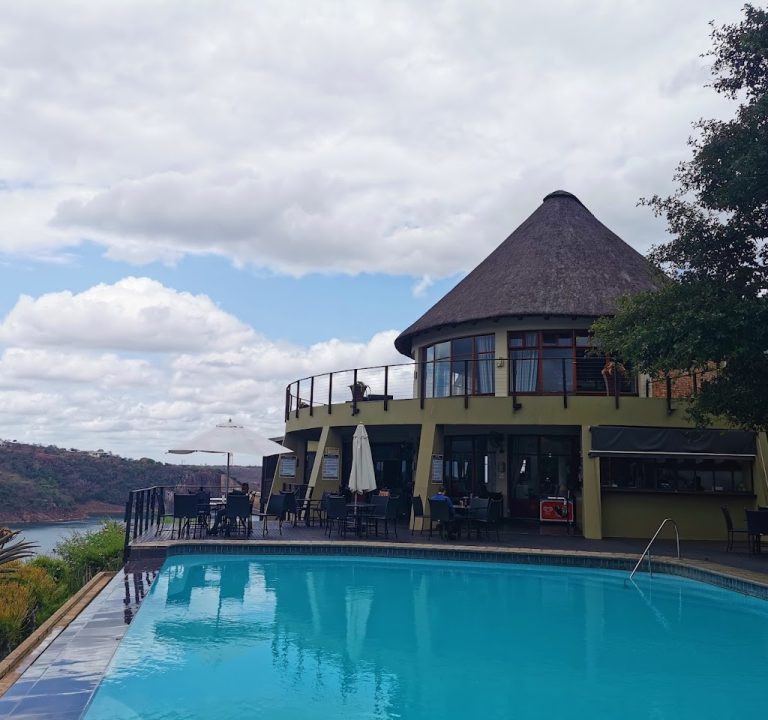
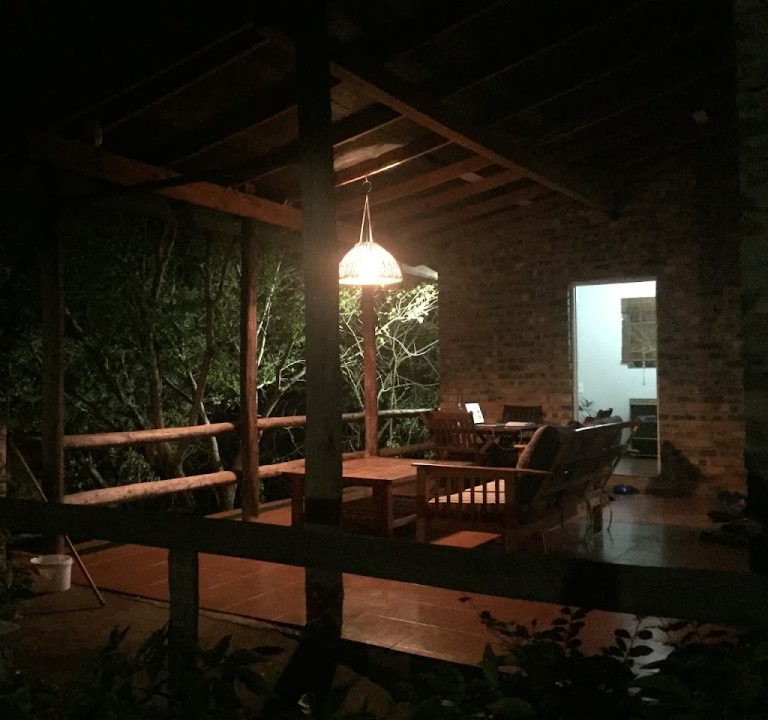
Accommodation options in Jozini range from intimate guesthouses and lodges to larger hotel-style properties. Lodge-style venues often emphasise natural surroundings and offer balconies or verandas where you can take in the expansive dam views or open savannah horizons. Guesthouses frequently provide a warm, personalised experience with the opportunity to chat with hosts about local recommendations, routes, and must-do experiences. For a structured stay with on-site facilities, a hotel-style property can offer a reassuring level of service, comfortable rooms, and convenient dining options. Regardless of style, reading recent guest reviews can provide practical insight into current conditions, from room upkeep to service responsiveness and the quality of nearby dining experiences.
When selecting a place to stay, balance the cost with the value of the experience. Look for properties that explicitly outline what is included in rate packages, such as meals, guided activities, or airport transfers. Consider the variety of room types—some venues offer suites with lounge areas and bigger balconies that enhance the sense of space, while more compact rooms might be perfectly adequate for shorter visits. If you are planning a longer or more active stay, you may prefer a base with a good restaurant, a pool or viewing deck, and straightforward access to suggested day trips.
In broad terms, Jozini offers a tranquil gateway to northern KwaZulu-Natal’s natural beauty and wildlife experiences. Plan with a flexible itinerary that allows for admiration of the dam and surrounding landscapes, discovery of nearby reserves and scenic drives, and sampling of regional dining. A well-chosen base can transform a stay into a memorable balance of rest and discovery, where comfortable accommodation complements the wonders of the landscape and the hospitality of South Africa’s diverse visitor experiences.