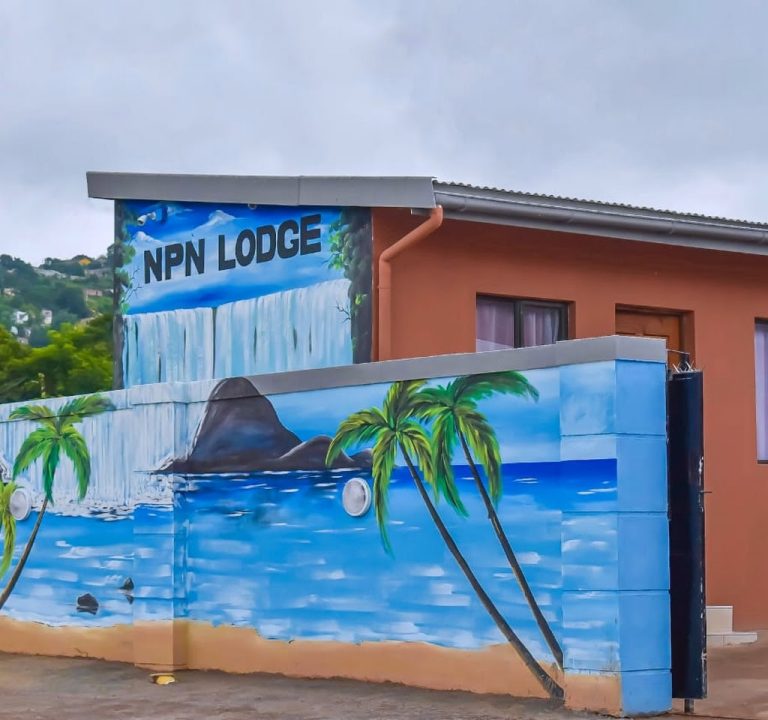
Durban: Accommodation, Layouts for Your Stay and Local Highlights
Durban, in KwaZulu-Natal, South Africa, offers a warm, colourful mix of coastal living, subtropical gardens and a cosmopolitan dining scene. When planning a stay, many guests look for comfortable self-catering options or guesthouses that feel like a home away from home, with easy access to the city’s beaches and natural scenery. A variety of neighbourhoods provide different vibes—from bustling beachfront districts to leafy residential terraces—so choosing a base wisely can transform your trip.
Areas to consider include the beachfront precinct along the Golden Mile, which is ideal for easy sea access and a lively feel, and the central Berea and Glenwood areas, known for charming historic homes and leafy streets. For a calmer pace with quick access to nature, the outlying ridge and suburban pockets offer guesthouses and small hotels with garden settings. If you’re travelling with family or seeking longer stays, look for self-catering options that provide a kitchen, living space and laundry facilities, allowing you to structure days around the beaches, markets and excursions at your own pace.
When booking, think about what matters most to you. Proximity to the beach can reduce commute times, while easy access to Mount Edgecombe, Umlanga or the harbour area can simplify day trips. Transport options in Durban include affordable taxi services, ride-hailing apps, and MyCiTi buses in the metropolitan area. If you plan to explore beyond the city, a car or a reliable tour operator can be helpful. It’s worth confirming parking arrangements if you will be driving, and whether the accommodation offers laundry facilities, kitchen appliances, and Wi‑Fi in common areas.
Typical amenities to look for in Durban’s self-catering and guesthouse options include well-equipped kitchens or kitchenettes, sufficient bedroom configurations for families or groups, secure parking or gated access, and robust cleaning protocols. A comfortable bed, reliable hot water, and good natural light are often cited by guests as essential for a relaxed stay. Consider whether the accommodation provides a shaded outdoor area or a balcony, which can be a welcome spot for morning tea or evening wind-down after a day exploring the city and coastline.
Best time to visit Durban tends to be from late summer to autumn (February to April) when the humidity eases and sea conditions are pleasant for swimming. The city experiences a warm, subtropical climate most of the year, so expect sunshine and occasional showers. If you’re planning outdoor activities or exploring nature reserves, check local weather forecasts and plan flexible days to enjoy both beach and inland adventures. For cultural experiences and markets, weekends offer vibrant activity and local flavours, often accompanied by live music or street performances in popular districts.
Beyond your lodging, Durban presents a broad spectrum of activities that suit different interests. Beachfront pathways are ideal for morning runs or relaxed strolls, while the harbour and nearby nature reserves offer scenic viewpoints and wildlife encounters. For families, a day near water parks and interactive exhibitions can be a refreshing break from the sun, and for those who enjoy markets, the city’s craft and food markets showcase regional arts and crafts, fresh produce and ready-to-eat treats. Dining ranges from casual seaside eateries serving fresh grilled seafood to contemporary restaurants offering modern takes on regional flavours. Many venues prioritise contemporary South African offerings and depend on locally sourced ingredients.
Practical tips to help you plan a smooth stay in Durban:
- Book self-catering options with clear kitchen facilities and laundry amenities if you value flexibility for longer stays.
- Choose accommodation with easy beach access or convenient transport links to minimise daily travel time.
- Check safety features such as secure entry and well-lit surroundings, especially in residential areas you’ll be staying in for several days.
- Look for listings that explain parking arrangements, early check-in or late check-out policies, and cleaning intervals for longer stays.
- Pack versatile clothing: light layers for heat, a light rain jacket for occasional showers, and comfortable footwear for beach walks and urban exploring.
For travellers seeking a community or programme-focused stay, organisations that offer supported accommodation or partnerships with local projects can provide unique insights into Durban’s culture and daily life. If your itinerary includes volunteering or community engagement, ask hosts about any nearby opportunities or recommended partnerships, and plan your days to balance rest with your planned activities.
When planning to dine out, you’ll discover a broad range of options, from beachfront cafés to family-run eateries and contemporary brasseries. In many neighbourhoods, you’ll find casual spots offering traditional dishes, coastal seafood dishes, and modern interpretations of KwaZulu-Natal flavours. It’s worth reserving tables in peak periods, particularly on weekends, and asking hosts or local guides for recommendations based on your preferences and dietary requirements.
Durban’s blend of sun, sea, green spaces and lively districts makes it an appealing destination for short breaks and longer stays alike. Whether you opt for a compact apartment near the promenade, a characterful guesthouse in a tree-lined avenue, or a self-catering chalet on the edge of nature, your base can support enjoyable explorations of beaches, markets, nature trails and varied dining experiences. A well-chosen base, coupled with thoughtful planning, helps you experience Durban’s warmth and hospitality to the fullest. For more information and ideas, explore local tourism pages and accommodation listings that highlight self-catering options and community-focused stays in Durban and the wider KwaZulu-Natal region.