Newcastle, KwaZulu-Natal: where to stay, what to do and how to plan your visit
Nestled in the scenic hills of the KwaZulu-Natal midlands, Newcastle offers a friendly mix of heritage, outdoor spaces and convenient access to regional attractions. Whether you’re seeking a cosy B&B, a comfortable guesthouse, or a modern lodge, the town provides a range of accommodation designed to suit travellers who value character, attentive service and easy access to surrounding countryside. Planning a stay in Newcastle also means considering the layout of the town, the best bases for day trips, and practical details that help you make the most of your time.
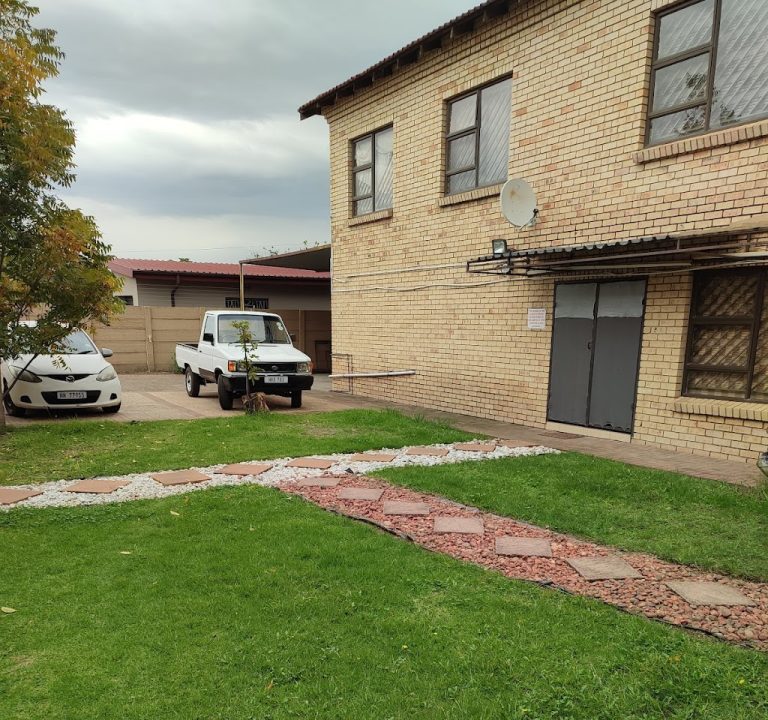
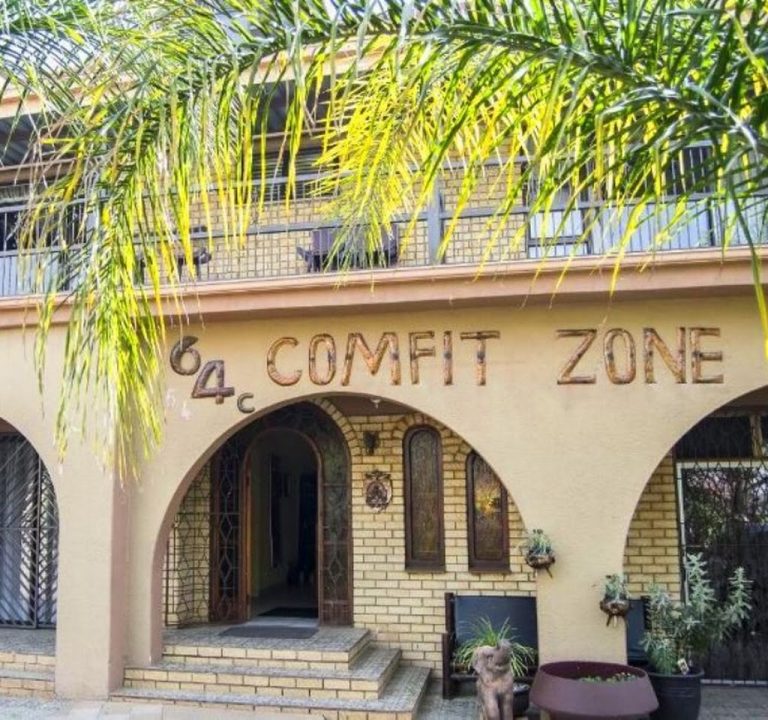
Accommodation options vary from intimate bed-and-breakfast properties to larger guesthouses with pools, spacious gardens and on-site dining. A typical stay can include a cooked or continental breakfast, private ensuite facilities, free parking and reliable housekeeping. Some properties offer self-catering units or apartment-style suites alongside traditional rooms, which can be ideal for families or groups who want a bit more space. When booking, look for clear information about room types, bed configurations, and any shared facilities such as lounges or kitchens. Check whether the property has secure parking, good lighting for evening arrivals, and easy access to key routes into town and beyond.
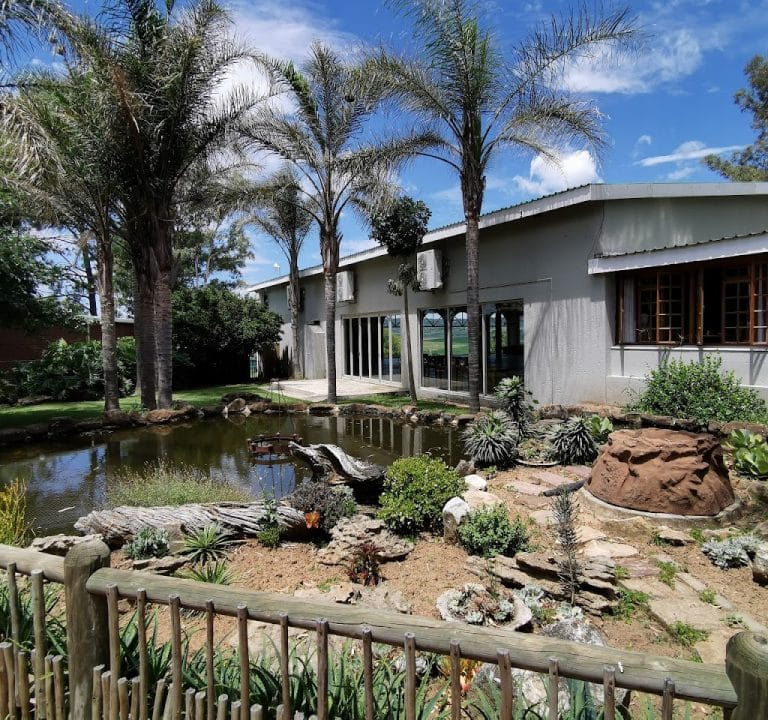
Neighbourhoods and areas to consider include central Newcastle for walkability to shops, cafes and the historic town centre, and outlying suburbs or rural outskirts if you prefer a more tranquil, countryside setting. Staying closer to the town centre makes it easier to browse markets, museums and local landmarks on foot, while a quieter location on the periphery may provide expansive views, larger grounds, and easier access to nature trails. If you plan day trips to nearby parks or game reserves, choose a base with straightforward routes to major roads and a predictable commute time to those destinations.
Typical amenities to look for include reliable Wi‑Fi, air conditioning or good ventilation, hot water with stable pressure, ample storage, and a friendly and knowledgeable host who can advise on local sights and practicalities. Dining options on site can be a bonus, especially for travellers arriving late or preferring a relaxed evening meal. For those who enjoy self-catering in addition to an on-site restaurant or kitchen facilities, ensure there are clear policies about shared spaces and cleaning protocols. Accessibility features, such as level access or a ramp, can be important for guests with mobility needs, so check ahead if required.
Transport in and around Newcastle is straightforward for most visitors. The town is reachable by road from major centres in KwaZulu-Natal, and car hire is a popular option for exploring the region at your own pace. If you don’t plan to drive, investigate the availability of local taxis, ride-hailing services, or arranged tours through your accommodation. The surrounding countryside features leafy lanes, farmlands and gentle climbs, making a car typically the most convenient way to access scenic viewpoints, rural villages and nature reserves. When you’re planning day trips, map out a realistic route that accounts for traffic, roadworks and possible delays, and factor in comfortable rest stops along the way.
The best time to visit Newcastle depends on your preferred weather and activities. The region experiences warm summers with the possibility of afternoon showers, and cooler, drier winters. Spring and autumn are often pleasant for outdoor pursuits such as hiking, cycling or simply enjoying a sunset from a hillside vantage point. If you’re seeking lower crowds and milder temperatures, shoulder seasons can offer a more relaxed pace while still delivering good accessibility to outdoor spaces and local culture. Pack layers to adapt to changing conditions, plus comfortable walking shoes for exploring streets, markets and reserves.
What to plan around in Newcastle includes exploring the town’s heritage sites, enjoying the local markets and sampling regional cuisine. While specific attractions and dining experiences evolve, you can expect a mix of museums that tell the story of the area, outdoor recreation options, and eateries that showcase popular flavours of KwaZulu-Natal. When choosing a neighbourhood and a property, consider proximity to the town centre for easy strolls to cafés and evening strolls, or a quieter rural setting if you prefer a more relaxed base with a short drive to nature trails. Always read recent guest reviews to gauge the consistency of service, cleanliness and how the hosts handle common questions about transport, meal options and flexibility with check-in times.
Planning tips to help you have a smooth stay:
- Check cancellation policies and any minimum-stay requirements before booking, especially if your plans may change.
- Confirm what is included in breakfast or other meals, and whether dietary requirements can be accommodated.
- Ask about parking arrangements, street access, and security measures for nightly arrivals.
- Consult your host about recommended local experiences, markets, and routes for day trips.
- Pre-book any high-demand activities or tours that align with your schedule to avoid disappointment.
For further inspiration and up-to-date ideas about things to see and do in KwaZulu-Natal, including Newcastle and its surroundings, you can explore regional tourism information online. A reputable入口 source can provide current details on attractions, events and practical planning tips to help you make the most of your stay. When you’re ready, select accommodation that aligns with your priorities—whether that’s location, on-site dining, or access to expansive grounds—and let your Newcastle visit unfold at a comfortable pace. For broader planning resources, visit official tourism sites and trusted travel guides to stay informed about transport options, seasonal considerations, and practical tips for enjoying your time in this part of South Africa.